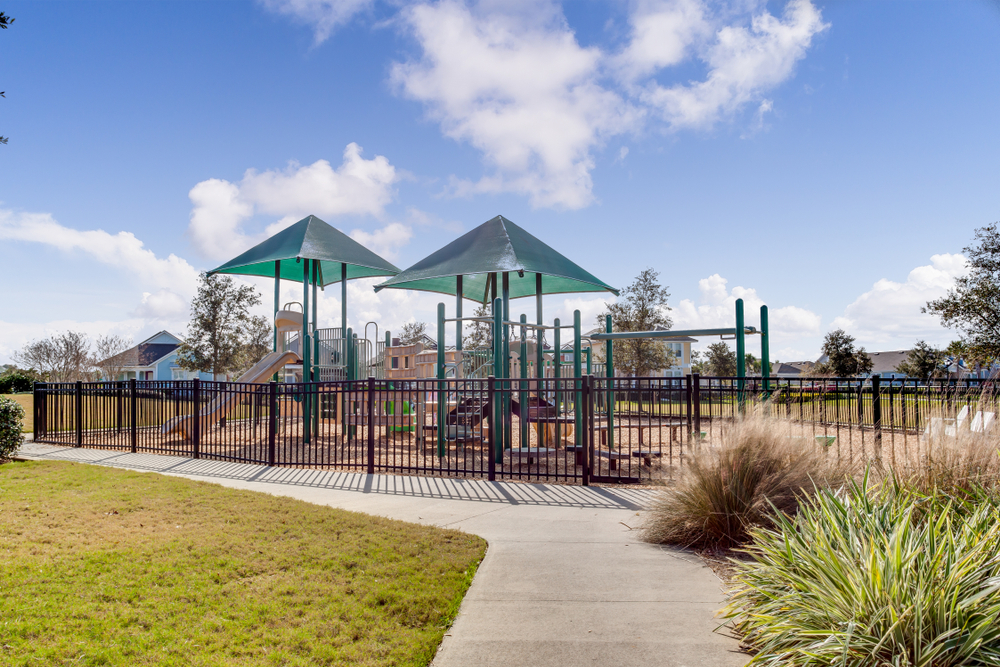
by Amanda Capone | Oct 20, 2025 | Shade Structure
Elevate Outdoor Fun with Shade Playground shade structures are engineered canopies and support systems designed to block harmful solar radiation and lower surface temperatures, creating more comfortable and safer outdoor play settings for children and caregivers. This...
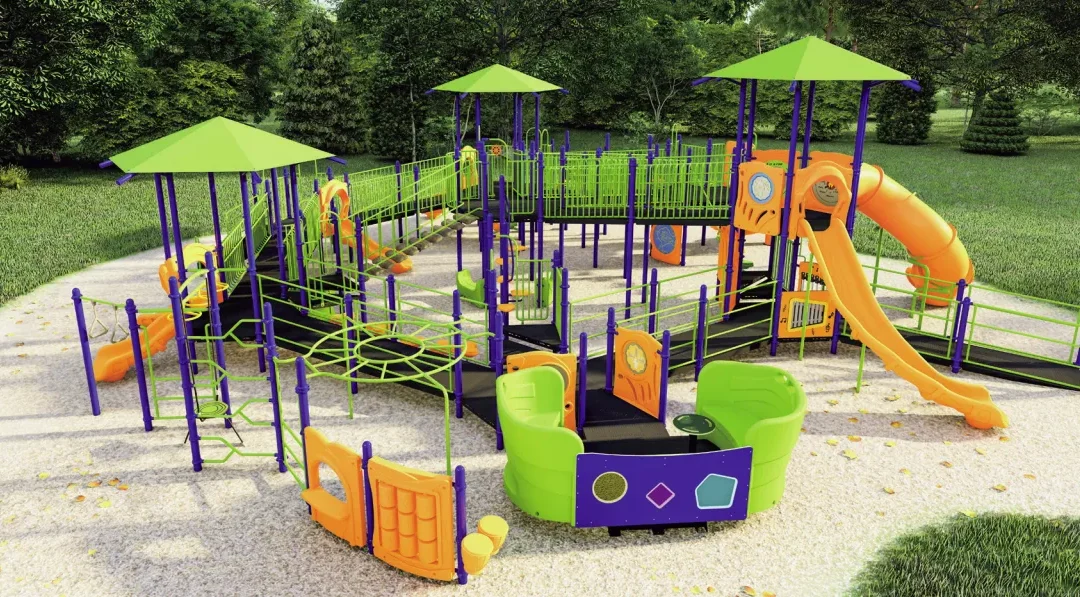
by Amanda Capone | Oct 16, 2025 | Playground Equipment
Essential Features to Consider When Choosing Playground Equipment for Your North Carolina Park Selecting playground equipment for a North Carolina park involves more than picking bright slides and swings—it requires aligning with safety regulations, climate-resistant...
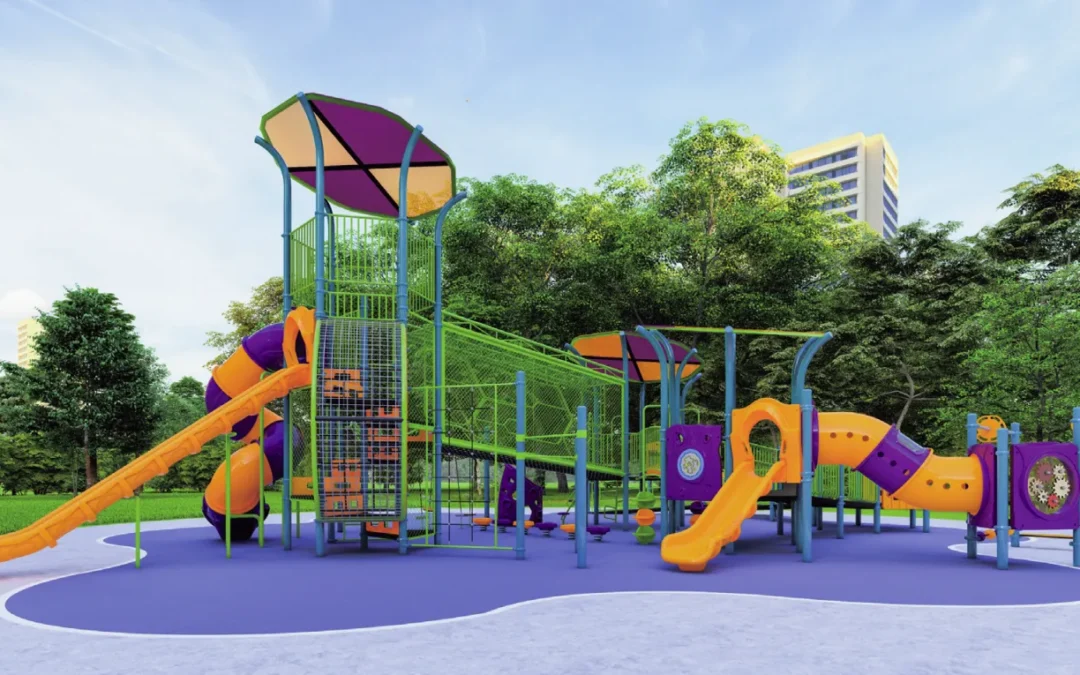
by Amanda Capone | Oct 14, 2025 | Playground Equipment
Types of Commercial Playground Structures for North Carolina: A Complete Guide to Equipment, Safety, and Installation Commercial playground structures shape active childhoods and community vitality across North Carolina, yet navigating equipment types, safety...
by Amanda Capone | Aug 25, 2025 | Dog Parks, Playground Equipment, Playground Safety, Shade Structure
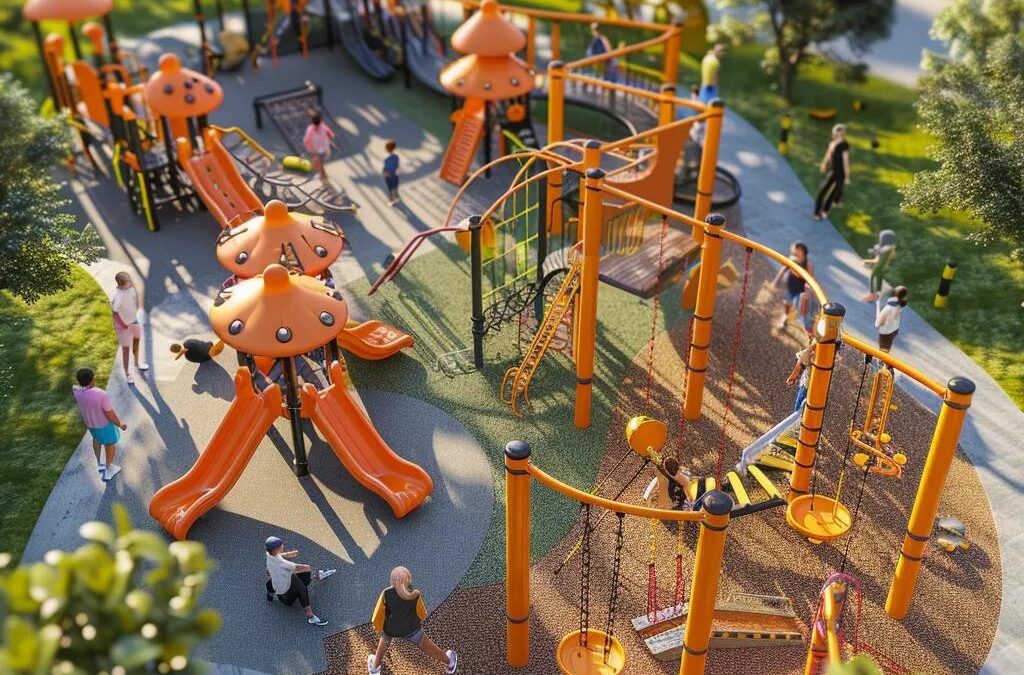
Outdoor Fitness Playground Equipment Must-Haves for Kids: Features, Benefits, and Safety Guidelines Outdoor fitness playground equipment provides children with engaging, purposeful exercise opportunities that foster strength, coordination, and social skills while...
by Amanda Capone | Aug 20, 2025 | Dog Parks, Playground Equipment, Playground Safety, Shade Structure
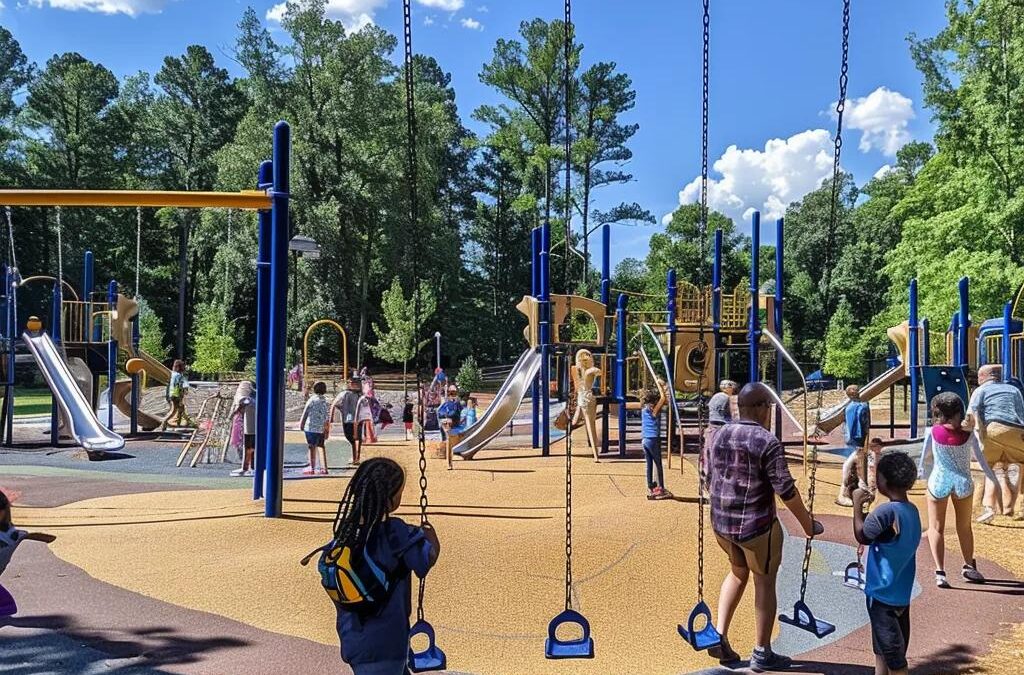
Playground Safety Standards in North Carolina Explained: Comprehensive Guide to Regulations, Inspections, and Compliance Each year in the United States over 200,000 children are treated in emergency rooms for playground-related injuries, highlighting why playground...