
Modern Dog Park Features: Designing Safe, Engaging, and Comfortable Canine Spaces
What Are the Essential Features of a Modern Dog Park?
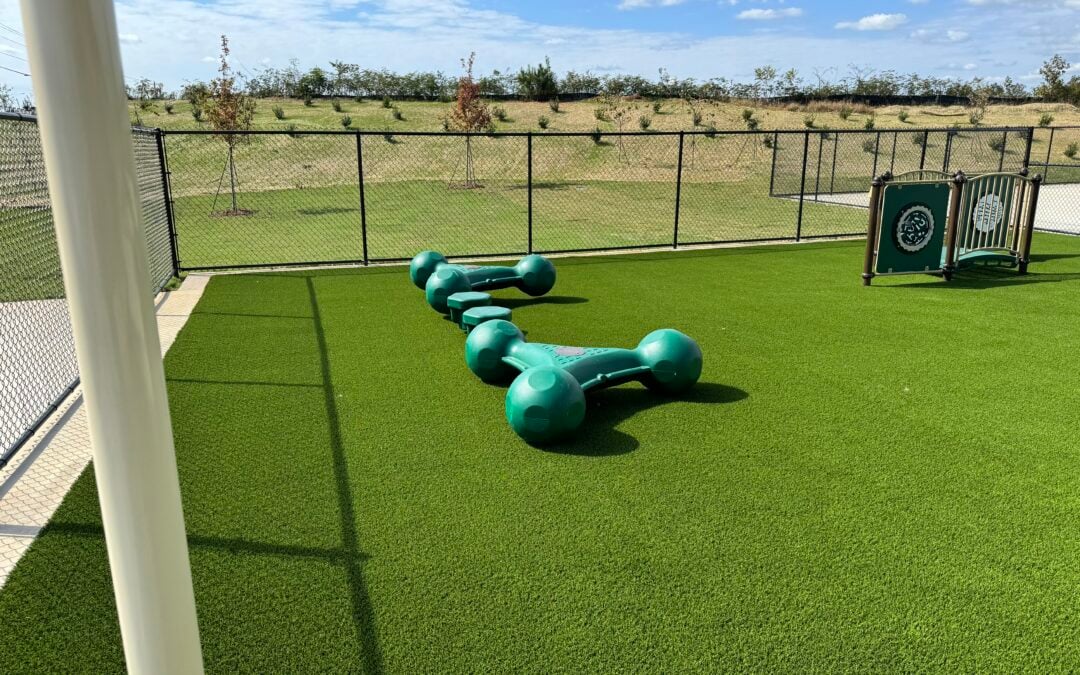
Which Agility Equipment Enhances Canine Fitness and Play?
- Jumps: These help improve a dog's jumping ability and coordination.
- Tunnels: Tunnels encourage dogs to navigate through obstacles, enhancing their problem-solving skills.
- Weave Poles: Weave poles promote agility and flexibility, allowing dogs to develop their coordination.
How Do Water Features Promote Hydration and Fun in Dog Parks?
- Hydration: Access to water helps keep dogs hydrated, especially during active play.
- Cooling: Water features help regulate a dog's body temperature, preventing overheating.
- Playfulness: Dogs are naturally drawn to water, making it a fun and engaging element in the park.
What Are the Best Surfacing Options for Safety and Hygiene in Dog Parks?
How Do Artificial Turf, Pea Gravel, and Decomposed Granite Compare?
| Surfacing Material | Pros | Cons |
|---|---|---|
| Artificial Turf | Durable, easy to clean, provides a soft surface | Can retain heat, may require infill and regular cleaning to prevent odor |
| Pea Gravel | Natural drainage, provides traction | Can be difficult to clean, may get displaced and pose a choking hazard for some dogs |
| Decomposed Granite | Natural appearance, good drainage | Can be dusty, may require regular replenishment and can be abrasive |
Dog Park Surface Material Options
Other surface options include decomposed granite, woodchips/mulch, pea gravel, Stoneclad GS, concrete, a synthetic grass called K9 turf, or a poured rubber surface.
Dog park design, planning and management, B Holderness-Roddam, 2020
Why Is Proper Drainage Critical for Dog Park Surfacing?
- Safety: Preventing slippery surfaces reduces the risk of injuries.
- Hygiene: Good drainage helps minimize the buildup of waste and stagnant water, promoting a cleaner environment.
- Maintenance: Proper drainage systems reduce the need for frequent repairs and upkeep.
How Do Shade Structures Improve Comfort and Safety in Dog Parks?
What Types of Shade Structures Provide Effective UV Protection?
- Shade Sails: These are versatile and can be installed in various configurations to provide ample shade.
- Pergolas: Offering a more permanent solution, pergolas can be designed to blend with the park's aesthetics while providing shade.
- Canopies: Portable canopies can be set up for events or gatherings, offering temporary relief from the sun.
How Do Shade Structures Contribute to Canine Cooling and Health?
- Temperature Regulation: Providing shaded areas helps dogs cool down after play, reducing the risk of heat-related illnesses.
- Comfort: Dogs are more likely to enjoy their time at the park when they have access to shaded areas, leading to longer play sessions.
- Health Benefits: Reducing exposure to direct sunlight can help prevent skin issues and overheating, contributing to overall canine health.
What Safety and Security Measures Are Vital for Modern Dog Parks?
Why Are Secure Fencing and Double-Gated Entries Important?
- Prevention of Escapes: Secure fencing keeps dogs contained within the park, reducing the risk of escapes and potential accidents.
- Controlled Access: Double-gated entries allow for controlled access, ensuring that dogs are safely contained while entering or exiting the park.
- Peace of Mind: Knowing that the park is secure allows owners to relax and enjoy their time with their pets.
Essential Dog Park Fencing & Water Features
The DOLA is to be fenced and double-gated with hardscape at entrances to prevent material deterioration. Dog fountains and bottle filing
MASTER, 1982
How Do Separate Play Areas Enhance Safety for Different Dog Sizes?
- Reduced Risk of Injury: Smaller dogs are less likely to be injured by larger, more boisterous dogs when they have their own designated space.
- Tailored Activities: Different areas can be equipped with size-appropriate agility equipment, ensuring that all dogs can engage in safe play.
- Enhanced Socialization: Dogs of similar sizes can interact more comfortably, promoting positive social experiences.
How Is Waste Management Implemented to Maintain Cleanliness in Dog Parks?
What Are Effective Waste Station Designs and Solutions?
- Accessible Bins: Waste bins should be easily accessible and strategically placed throughout the park to encourage proper disposal.
- Poop Bag Dispensers: Providing free waste bags helps ensure that owners have the necessary tools to clean up after their pets.
- Regular Maintenance: Scheduling regular maintenance for waste stations ensures that they remain clean and functional.
How Does Efficient Waste Management Support Hygiene and Community Health?
- Reduced Odors: Proper waste disposal minimizes unpleasant odors, creating a more enjoyable environment for park users.
- Health Benefits: Keeping the park clean helps prevent the spread of parasites and diseases that can affect both dogs and humans.
- Community Pride: A well-maintained park fosters a sense of pride among community members, encouraging responsible pet ownership.
Dog Park Soil Contaminants & Waste Management
Off-leash dog parks are very popular locations that allow pets to freely exercise and eliminate wastes in a controlled environment. Although dog park rules require that solid waste be removed by the pet’s owner, urine-borne constituents in dog-park soils have received little attention. This study focused on the soils within two small-dog, off-leash dog parks in Fargo, North Dakota (USA) with the objective to better understand the concentration and distribution of extractable NH4-N, NO3-N, PO4, soluble salts, and pH values in surface soils (0–10 cm) within these two dog parks.
Dog-park soils: Concentration and distribution of urine-borne constituents, 2013
Why Are Community Engagement and Owner Comfort Key in Dog Park Design?
What Amenities Support Owner Comfort and Social Interaction?
- Seating Areas: Providing benches and shaded seating encourages owners to relax and socialize while their dogs play.
- Water Stations: Offering water for both dogs and their owners ensures that everyone stays hydrated during their visit.
- Event Spaces: Designated areas for community events can foster social connections among dog owners, enhancing the sense of community.
How Do Dog Parks Foster Community Benefits and Social Connections?
- Socialization Opportunities: Dog parks provide a space for dog owners to meet and connect, fostering friendships and community ties.
- Community Events: Hosting events such as dog training classes or adoption days can strengthen community bonds and promote responsible pet ownership.
- Increased Foot Traffic: Well-designed dog parks attract visitors, contributing to the local economy and enhancing community vibrancy.