Advantages of Outdoor Shade Structures: Comprehensive Benefits for Health, Comfort, and Property Value

Outdoor shade structures are essential elements in enhancing the quality of outdoor spaces, providing numerous benefits that contribute to health, comfort, and property value. This article explores the various advantages of these structures, focusing on their role in UV protection, temperature regulation, equipment longevity, aesthetic appeal, energy efficiency, and safety. Readers will learn how outdoor shade structures can transform recreational areas into safe, enjoyable environments for families and communities. As the demand for outdoor living spaces continues to grow, understanding the benefits of shade structures becomes increasingly important. This guide will delve into the key health benefits of UV protection, the comfort enhancements they provide, their impact on equipment lifespan, aesthetic improvements, energy efficiency, and safety considerations.

What Are the Key Health Benefits of UV Protection Shade Structures?

Shade structures play a crucial role in protecting individuals from harmful UV radiation, which is linked to various health issues, including skin cancer. By blocking UV rays, these structures significantly reduce the risk of skin damage and other UV-related health problems. The effectiveness of shade structures in providing UV protection is largely dependent on the materials used and their design.

How Do Shade Structures Block Harmful UV Rays to Prevent Skin Damage?

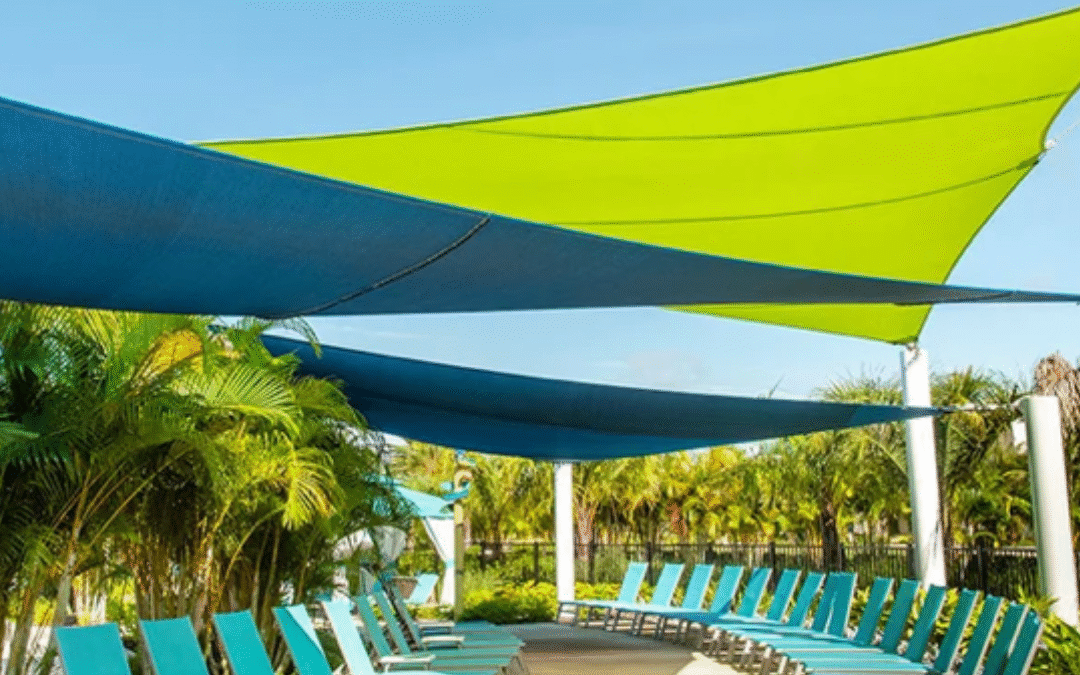
Shade structures are designed to block harmful UV rays through the use of specialized materials that can filter out a significant percentage of UV radiation. For instance, high-density polyethylene (HDPE) fabrics are commonly used in shade sails and can block up to 95-98% of UV rays. This protective barrier is essential for outdoor spaces where children and families gather, ensuring a safer environment for play and relaxation.

What Are the Statistics on Skin Cancer Prevention Through Outdoor Shade?

Research indicates that consistent use of shade structures can lead to a substantial decrease in skin cancer risk. According to studies, individuals who regularly seek shade during peak sun hours have a lower likelihood of developing skin cancer compared to those who do not. This highlights the importance of incorporating shade structures in public parks, playgrounds, and residential areas to promote healthier outdoor habits.

Further emphasizing the public health benefits, research underscores the need for strategic shade implementation in public spaces to combat UV exposure and promote safer outdoor activities.

Shade for Skin Cancer Prevention & Outdoor Comfort

Given the public health significance of UV exposure and extreme heat, further investments should be made to craft streetscape design guidelines and implement sun-proof spaces across public facilities, including parks, schools, and sport fields in order to ameliorate environmental risks for skin cancer survivors, to prevent future cancers among those that are vulnerable to the hazards of excessive UV exposure and extreme heat, and to promote outdoor PA.

The experience of outdoor physical activity for skin cancer survivors: understanding the importance of the built and natural environments, S Tabatabaie, 2020

How Do Outdoor Shade Structures Enhance Comfort and Reduce Temperature?

Outdoor shade structures are instrumental in enhancing comfort by providing relief from the heat. They create cooler microclimates, making outdoor spaces more enjoyable during hot weather. The design and placement of these structures can significantly influence their effectiveness in temperature regulation.

By How Much Can Shade Structures Lower Outdoor Temperatures?

Shade structures can lower outdoor temperatures by approximately 10 to 15 degrees Fahrenheit, depending on their size, materials used, and environmental conditions. This temperature reduction is particularly beneficial in urban areas where heat can be intensified by concrete and asphalt surfaces. By creating shaded areas, these structures help maintain a comfortable environment for outdoor activities.

What Design Features Improve Airflow and Outdoor Comfort?

Effective shade structures often incorporate design features that enhance airflow, such as open canopies or adjustable sails. These elements allow for better ventilation, reducing heat buildup and improving overall comfort. Additionally, strategic placement of shade structures can maximize airflow, further enhancing the user experience in outdoor settings.

In What Ways Do Shade Structures Extend the Lifespan of Playground and Outdoor Equipment?

One of the significant advantages of shade structures is their ability to protect outdoor equipment from UV exposure and harsh weather conditions. This protection is vital for maintaining the integrity and longevity of playgrounds and other outdoor facilities.

How Does UV Exposure Cause Damage to Playground Equipment?

UV radiation can cause significant damage to playground equipment, leading to fading, cracking, and structural degradation. Materials such as plastics and wood are particularly susceptible to UV damage, which can compromise safety and usability. By shielding these materials from direct sunlight, shade structures help extend their lifespan and reduce maintenance costs.

Scientific literature consistently documents the detrimental impact of solar UV radiation on various construction materials, highlighting the critical role of shade in preserving their integrity.

UV Radiation’s Impact on Material Lifespan

The deleterious effects of solar ultraviolet (UV) radiation on construction materials, especially wood and plastics, and the consequent impacts on their useful lifetimes, are well documented in scientific literature. Any future increase in solar UV radiation and ambient temperature due to climate change will therefore shorten service lifetimes of materials, which will require higher levels of stabilisation or other interventions to maintain their lifetimes at the present levels.

Effects of UV radiation on natural and synthetic materials, KK Pandey, 2023

How Do Shade Structures Protect Outdoor Furniture and Surfaces?

In addition to playground equipment, shade structures also protect outdoor furniture and surfaces from UV damage. By minimizing direct sunlight exposure, these structures help prevent fading and deterioration, ensuring that outdoor spaces remain inviting and functional for longer periods. This protection is especially important for residential patios and commercial outdoor dining areas.

How Do Shade Structures Increase Aesthetic Appeal and Property Value?

Beyond their functional benefits, shade structures also enhance the aesthetic appeal of outdoor spaces. They can be designed to complement the existing architecture and landscaping, adding visual interest and charm to any environment.

What Design Options Are Available for Custom Outdoor Shade Structures?

There are numerous design options available for custom outdoor shade structures, including fabric shade sails, pergolas, and retractable awnings. Each option can be tailored to fit specific aesthetic preferences and functional needs, allowing for a seamless integration into the surrounding environment. This customization not only enhances beauty but also increases the usability of outdoor spaces.

How Does Adding Shade Structures Boost Curb Appeal and Market Value?

Incorporating shade structures into residential or commercial properties can significantly boost curb appeal and market value. Properties with well-designed outdoor spaces are often more attractive to potential buyers or tenants, as they offer functional and aesthetically pleasing environments. Studies have shown that properties with outdoor amenities, including shade structures, can command higher prices in the real estate market.

What Are the Energy Efficiency and Environmental Benefits of Outdoor Shade?

Outdoor shade structures contribute to energy efficiency by reducing the need for air conditioning in nearby buildings. By blocking sunlight, they help maintain cooler indoor temperatures, leading to lower energy consumption and costs.

How Do Shade Structures Reduce Indoor Cooling Costs and Energy Use?

By providing shade to windows and outdoor areas, shade structures can significantly reduce indoor cooling costs. Studies have shown that buildings with adequate shading can experience energy savings of 10-30%, depending on the climate and shading design. This reduction not only benefits homeowners but also contributes to overall energy conservation efforts in communities.

What Role Do Shade Structures Play in Mitigating Urban Heat Island Effects?

Shade structures play a vital role in mitigating urban heat island effects, which occur when urban areas experience higher temperatures than their rural surroundings. By increasing shaded areas, these structures help lower ambient temperatures, improve air quality, and enhance the overall livability of urban environments. This environmental benefit is crucial as cities continue to grow and face challenges related to climate change.

How Do Shade Structures Improve Safety and Usability in Playgrounds and Commercial Spaces?

Safety is a paramount concern in outdoor spaces, particularly in playgrounds and commercial areas. Shade structures contribute to safety by providing protection from the sun and creating more comfortable environments for users.

Why Is Shade Important for Playground Safety and Extended Playtime?

Shade is essential for playground safety, as it helps prevent heat-related illnesses in children. By providing shaded areas, parents can feel more comfortable allowing their children to play for extended periods, knowing they are protected from excessive sun exposure. This safety aspect encourages more outdoor activity, promoting healthier lifestyles for families.

Beyond direct sun exposure, the importance of shade in playgrounds extends to mitigating other environmental risks often overlooked in traditional safety measures.

Playground Shade for Thermal Safety & Sun Protection

such as surface temperatures and ultraviolet radiation exposure that are neglected in traditional initiatives of playground safety, which may impact children’s exposures during play.

Shade provision in public playgrounds for thermal safety and sun protection: A case study across 100 play spaces in the

United States, J Vanos, 2019

How Do Commercial Shade Structures Enhance Customer Experience and Business Revenue?

For businesses, commercial shade structures can enhance customer experience by providing comfortable outdoor seating areas. This added comfort can lead to increased patronage and longer visits, ultimately boosting revenue. Establishments that prioritize outdoor comfort through shade structures often see higher customer satisfaction and loyalty, making them more competitive in the market.

Shade Structure TypeUV Protection LevelTemperature ReductionLifespan Extension
Fabric Shade SailsUp to 95-98%10-15°F10+ years
PergolasModerate (varies by design)5-10°F15+ years
Retractable AwningsAdjustable5-10°F5-10 years

Outdoor shade structures offer a multitude of benefits that enhance health, comfort, and property value. By providing UV protection, improving comfort, extending the lifespan of equipment, increasing aesthetic appeal, promoting energy efficiency, and enhancing safety, these structures play a vital role in creating enjoyable and functional outdoor environments. As communities continue to prioritize outdoor living spaces, the importance of shade structures will only grow, making them a valuable investment for both residential and commercial properties.