North Carolina Playground Safety Regulations, Inspections & Compliance
Playground Safety Standards
U.S. Consumer Product Safety Commission
- Which state and federal bodies set and enforce NC playground rules
- How protective surfacing and fall zones protect children
- Required inspection schedules and the role of a CPSI
- ADA accessibility mandates and inclusive design benefits
- Commercial owner obligations, legal risks, and equipment standards
- Risk assessment techniques and ongoing maintenance best practices
What Are the Key Playground Safety Regulations in North Carolina?
Which State and National Bodies Regulate Playground Safety in NC?
| Entity | Role | Jurisdiction |
|---|---|---|
| North Carolina Department of Health and Human Services (NCDHHS) | Oversees childcare licensing and safety rules | Statewide, licensed centers |
| Division of Child Development and Early Education (DCDEE) | Enforces 10A NCAC 09 .0605 playground regulations | North Carolina childcare centers |
| Consumer Product Safety Commission (CPSC) | Publishes the Public Playground Safety Handbook | Federal public playgrounds |
| ASTM International | Develops voluntary consensus standards (e.g., F1487, F1292) | Global |
What Are the Main North Carolina Administrative Codes for Playground Safety?
| Code | Requirement | Scope |
|---|---|---|
| 10A NCAC 09 .0605 | Defines play space layout, fall zones | Licensed childcare and early-education programs |
| 10A NCAC 09 .0606 | Mandates adult supervision ratios | Childcare centers serving children under five |
| 10A NCAC 09 .0701 | Outlines equipment inspection criteria | All licensed outdoor play equipment |
How Do CPSC and ASTM Standards Influence NC Playground Safety?
- ASTM F1487 (Equipment Safety) → Specifies construction, protective barriers, and entrapment limits
- ASTM F1292 (Surfacing Performance) → Sets impact attenuation thresholds for fall surfaces
- CPSC Public Playground Safety Handbook → Offers comprehensive guidance on layout, fall zones, and maintenance
ASTM International Standards
ASTM International
What Are the Protective Surfacing Requirements for Playgrounds in North Carolina?
Which Types of Surfacing Materials Are Approved in NC?
| Material Type | Attribute | Value |
|---|---|---|
| Engineered Wood Fiber | Loose-fill | 12–24 inches depth, drains well |
| Rubber Mulch | Loose-fill | 8–12 inches depth, high durability |
| Poured-in-Place Rubber | Unitary | 2–4 inches thickness, seamless surface |
| Rubber Tiles | Unitary | 2–4 inches thickness, quick replacement |
| Sand or Pea Gravel | Loose-fill | 12–18 inches depth, variable maintenance |
What Are the Fall Height and Fall Zone Standards in NC Playgrounds?
| Element | Attribute | Value |
|---|---|---|
| Equipment Fall Height | Maximum drop height | 30 inches to 10 feet, based on age |
| Fall Zone Extension | Horizontal distance | Minimum 6 feet beyond equipment edge |
| Impact Attenuation | G-max rating | ≤ 200 g’s per ASTM F1292 |
How Should Surfacing Be Installed and Maintained to Meet NC Standards?
- Spread loose-fill materials evenly to specified depths and grade for drainage.
- Bond unitary surfacing to a firm base, adhering to manufacturer compaction guidelines.
- Inspect surfacing monthly for compaction, debris, or displacement.
- Rake loose-fill monthly and replenish depth annually or after heavy use.
How Often Should Playgrounds Be Inspected in North Carolina and What Are the Requirements?
Who Is Qualified to Perform Playground Inspections in NC?
| Role | Certification | Authority |
|---|---|---|
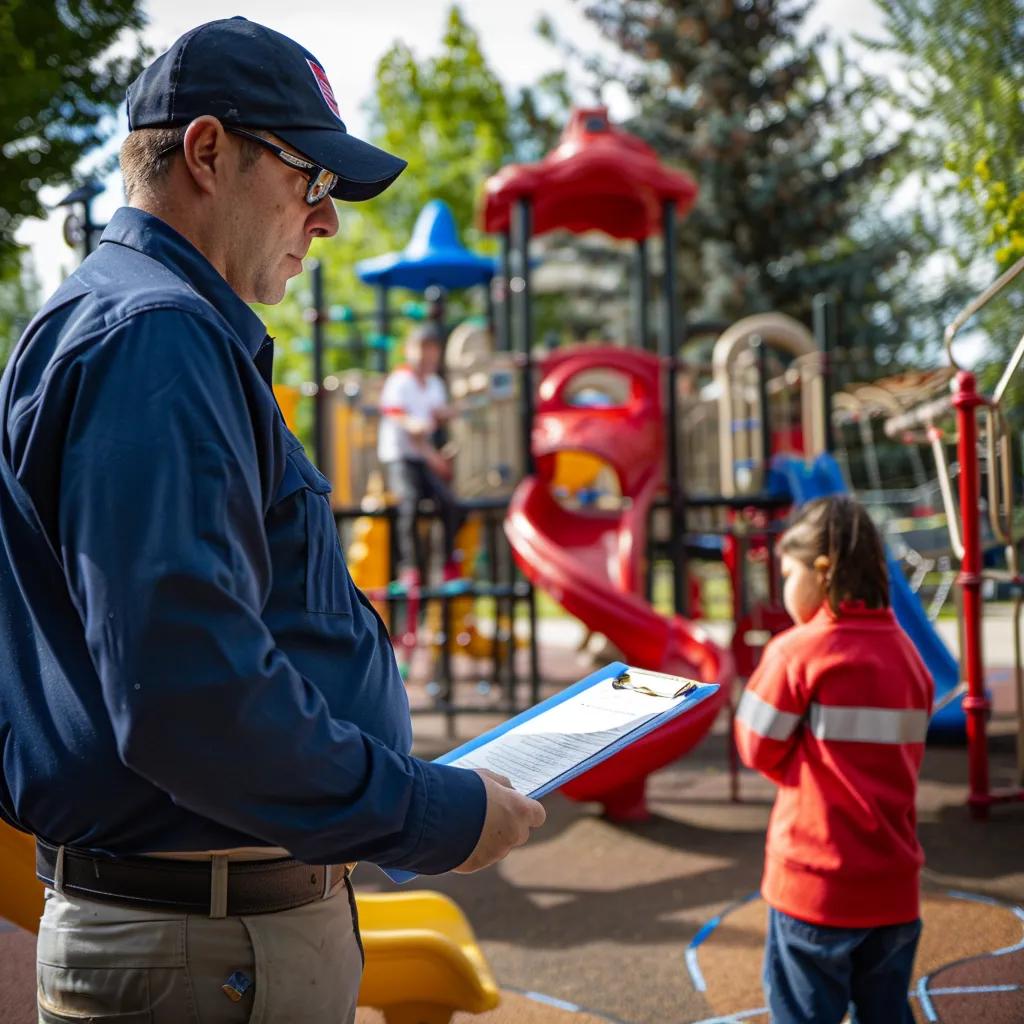
| Certified Playground Safety Inspector | CPSI (NRPA/NCTCOG) | Conducts annual audits and issues compliance reports |
| Trained Maintenance Personnel | DCDEE-approved training | Completes monthly visual and operational checks |
What Is the Recommended Inspection Frequency for Licensed Childcare and Commercial Playgrounds?
- Licensed Childcare Playgrounds → Monthly visual and operational inspections by trained staff
- Commercial and Public Playgrounds → Annual certified inspections by a CPSI
- Interim Spot Checks → Weekly visual walkthroughs to remove obvious hazards
What Are the Key Items on a North Carolina Playground Inspection Checklist?
- Visual assessment of all structural components for cracks, corrosion, or loose fasteners.
- Measurement of surfacing depth in fall zones to confirm ASTM F1292 compliance.
- Verification of guardrail heights and opening sizes to prevent entrapment.
- Confirmation of ADA-compliant access routes, ramps, and equipment.
- Documentation of hazard corrections and scheduling of follow-up actions.
How Does ADA Compliance Affect Playground Design and Safety in North Carolina?
What Are the ADA Requirements for Accessible Playgrounds in NC?
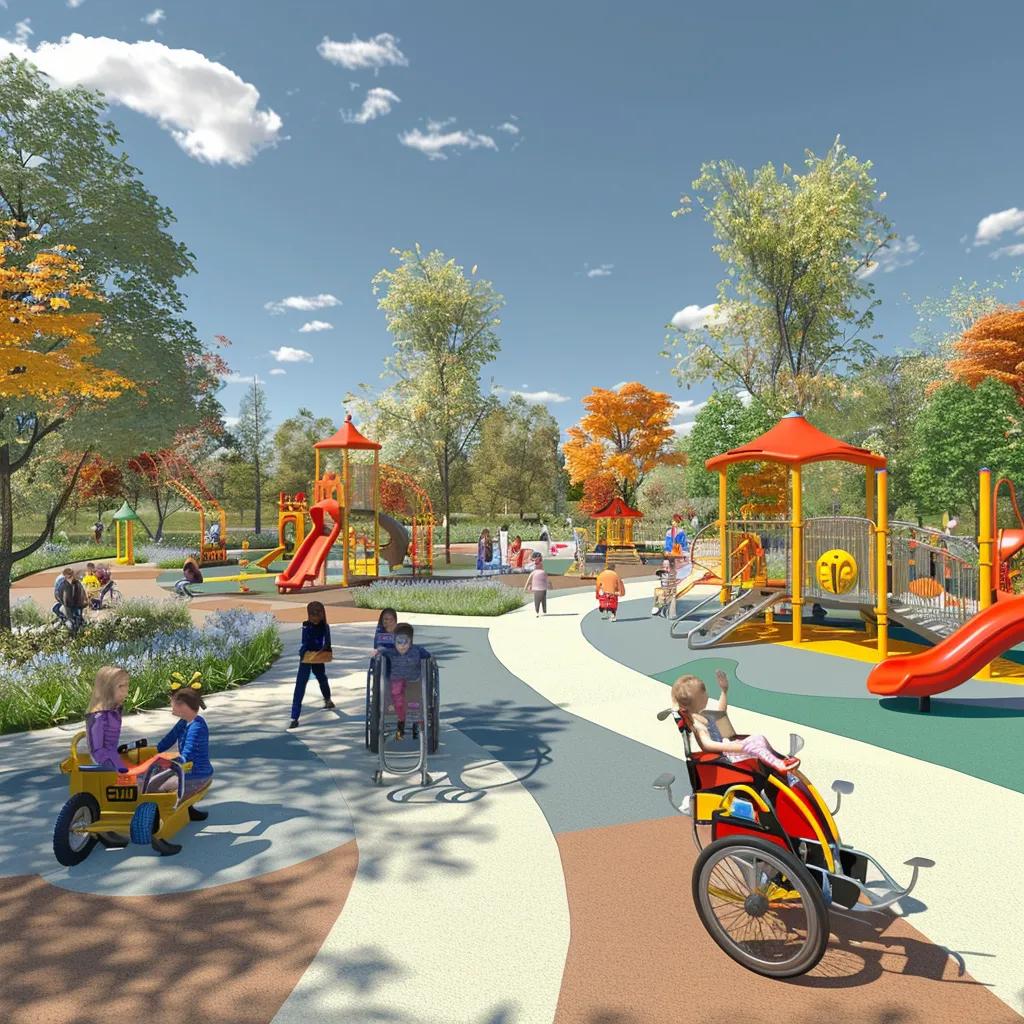
- Accessible Routes → Minimum 36-inch clear pathways to and through play areas
- Transfer Systems → Transfer platforms on elevated structures at prescribed heights
- Accessible Surfacing → Firm, stable surfaces (e.g., unitary rubber) under accessible components
- Communication Elements → Signage in braille or tactile formats near play features
How Can Inclusive Playground Design Benefit Children of All Abilities?
- Promotes peer interaction and social skills through shared play elements
- Supports gross motor development with varied climbing and stability challenges
- Encourages sensory processing via auditory, tactile, and visual equipment
- Reduces exclusion and improves overall community satisfaction
What Are Common Challenges and Solutions for ADA Compliance in NC Playgrounds?
| Challenge | Solution | Outcome |
|---|---|---|
| Limited Space | Use modular, multi-use components | Maximizes accessibility in compact layouts |
| Budget Restrictions | Apply phased installation plans | Spreads costs, targets high-impact areas |
| Technical Expertise | Partner with certified consultants | Ensures compliant, efficient design |
What Are the Commercial Playground Safety Regulations and Liability Considerations in North Carolina?
Which Entities Must Comply with Commercial Playground Safety Standards in NC?
- Municipal Parks and Recreation Departments
- Public and Private Schools
- Homeowners Associations (HOAs)
- Daycare and Childcare Centers
- Commercial Property Owners (e.g., retail, hospitality venues)
How Do CPSC and ASTM Guidelines Apply to Commercial Playgrounds in NC?
- Specify ASTM-rated equipment framed to NC fall-height standards.
- Install surfacing materials tested under ASTM F1292 for impact attenuation.
- Document compliance via CPSC handbook checklists during annual CPSI audits.
What Are the Legal Risks and Benefits of Compliance for Commercial Playground Owners?
- Benefit: Demonstrates due diligence against negligence claims
- Benefit: Enhances public confidence in safe recreational spaces
- Risk: Non-compliance may lead to fines, litigation, or forced closures
- Risk: Outdated equipment increases liability and maintenance costs
What Are the Standards and Certification Requirements for Playground Equipment in North Carolina?
Which ASTM Standards Govern Playground Equipment Safety in NC?
| Standard | Applies To | Key Requirement |
|---|---|---|
| ASTM F1487 | Play Equipment | Specifies guardrails, barrier heights, entrapment limits |
| ASTM F2373 | Swing Seats and Chains | Defines strength and spacing for swings |
| ASTM F2959 | Impact-Attenuation Devices | Clarifies testing procedures for surfacing components |
How Is Playground Equipment Certified and What Should Buyers Look For?
- Locate IPEMA or ASTM certification marks on equipment packaging.
- Review manufacturer’s installation guide for compliance with NC fall-height rules.
- Confirm load-bearing test reports and material warranties.
- Validate that entrapment openings meet 3.5–9.0 inch safety guidelines.
What Are Age-Appropriate Equipment Guidelines and Entrapment Prevention Measures?
- Toddlers (Ages 2–5) → Maximum equipment height 30 inches, low-slope ramps
- School-Age (Ages 5–12) → Equipment heights up to 60 inches, guardrails on elevated platforms
- Entrapment Prevention → Openings <3.5 inches or >9 inches to prevent head or body entrapment
How Can Risk Assessment and Mitigation Improve Playground Safety in North Carolina?
What Are the Common Playground Hazards Identified in NC Risk Assessments?
- Sharp edges, protruding bolts, and pinch points on equipment.
- Insufficient surfacing depth or localized wear in fall zones.
- Tripping hazards such as exposed concrete footings.
- Entrapment risks in gaps or low barriers.
How Does a Certified Playground Safety Inspector Help Mitigate Risks?
- Performs detailed site audits against CPSC and ASTM standards
- Provides written compliance reports with prioritized corrective actions
- Recommends surfacing adjustments and equipment retrofits
- Validates completion of repairs to close out hazard logs
What Are Best Practices for Ongoing Playground Maintenance and Safety Audits?
- Establish a monthly visual inspection routine for loose-fill depth and debris removal.
- Schedule annual CPSI audits and document findings in a centralized log.
- Train on-site staff in basic safety checks and hazard communication.
- Plan surface replenishment and equipment refurbishment budgets annually.