Elevate Outdoor Fun with Shade

Playground shade structures are engineered canopies and support systems designed to block harmful solar radiation and lower surface temperatures, creating more comfortable and safer outdoor play settings for children and caregivers. This article explains how shade fabrics and structural design reduce UV exposure and heat stress, protect equipment from premature aging, and increase usable playtime while supporting accessible, code-compliant installations. Many communities struggle with midday heat, faded equipment, and limited program hours; strategically placed shade is an evidence-informed solution that improves health outcomes and usability. Readers will learn how shade blocks UV and cools surfaces, which materials and structure types work best for varied sites, how shade extends equipment lifespans, and what installation and compliance considerations matter for municipalities and HOAs. The discussion includes practical comparisons of shade fabrics, temperature and UV performance, recommended maintenance approaches, and the trade-offs between hip, sail, cantilever, and modular options to help decision-makers design effective shaded play areas.

Playground Shade Structures: Shielding Children from UV Rays

Playground shade structures protect children primarily by blocking direct and scattered ultraviolet radiation using high-UPF fabrics and layered canopy geometry, which reduces the UV dose reaching skin and lowers the risk of sunburn and long-term skin damage. Fabrics such as high-density polyethylene (HDPE) and tightly woven PVC-coated textiles attenuate UV through material composition and weave density, while structural orientation and overlap control solar angles to maximize coverage during peak hours. The specific result is a measurable reduction in UV exposure beneath the canopy, which directly supports public-health goals to reduce pediatric UV risk and heat-related incidents. Understanding fabric ratings, canopy placement, and complementary measures (hydration, scheduling) makes shade an effective component of a broader sun-safety strategy.

What Is the Role of UV Protection in Playground Shade Structures?

UV protection in shade structures is quantified by fabric performance metrics such as UPF or percent UV block, which indicate how much solar ultraviolet radiation the material prevents from passing through. Fabrics with tighter weaves and UV-stabilizing additives provide higher protection, while multi-layer or overlapping designs increase shaded area and reduce reflected UV from surrounding surfaces. Selecting materials involves balancing UV block, breathability, colorfastness, and lifespan; for example, some HDPE fabrics offer high UV attenuation with good airflow, whereas PVC-coated textiles can provide denser UV blockage with different maintenance needs. Choosing the right fabric and canopy configuration ensures children receive substantially lower UV doses during playtime, and that shade remains protective across seasons.

UV-Blocking Cotton Fabric Design for Health and Protection

The ultraviolet rays from sunlight pose a natural hazard to human health and can cause serious health problems. Some medical artificial lights also emit ultraviolet radiation. Unprotected human skin exposed to ultraviolet (UV) light can cause serious health problems, including skin aging, photosensitivity (rash), erythema (redness of the skin), and melanoma (skin cancer). To protect human skin from UV radiation, UV-blocking or protective products are used. According to medical professionals, UV protection products must be safe, chemically inert, non-irritating, non-toxic, and resistant to light, and completely block the replication of UV rays. Sunscreen cream/lotion products are used for UV protection, but these products cannot provide complete protection. According to experts, one of the most efficient strategies to avoid sun damage is to wear protective gear. Researches are going on the manufacture of smart textiles that can be deployed as a protective shield with an adornment look to wear. Therefore, researchers have paid great attention to the development of fibers with anti-ultraviolet function. This review discusses the upshot of UV radiation on textile materials in particular cotton fabrics. It also describes the correlation between ultraviolet protection factor (UPF) and the physicochemical and structural properties of cotton fabrics. This review focuses on the manufacturing of UV protective cotton fabrics by applying UV absorbers and nanoparticles, their application process, and effects.

UV-blocking cotton fabric design for comfortable summer wears: factors, durability and nanomaterials, G Kibria, 2022

Shade structures reduce cumulative UV exposure by lowering the intensity and duration of direct sun on skin, which epidemiological research links to lower lifetime skin cancer risk and fewer sunburn events in childhood. By decreasing peak radiant loads and ambient temperatures in play zones, shaded areas also diminish risks of heat rash, heat exhaustion, and dehydration—conditions that disproportionately affect young children. Complementary measures such as shaded scheduling, water access, and staff supervision magnify these benefits and create a layered prevention approach. Implementing shade along with behavior interventions is a practical public-health application that reduces acute and chronic heat- and UV-related harms.

What Are the Latest Statistics on UV Exposure and Playground Safety?

Recent studies and public-health summaries through 2025 indicate rising emphasis on sun-safety in public spaces and increasing adoption of shade retrofits for playgrounds, particularly in regions with high solar intensity. Research highlights that children receive a substantial portion of their lifetime UV exposure by adolescence, motivating municipal and school investments in protective infrastructure. Emerging market trends show durable UV-stable fabrics and integrated shade systems gaining share, while community surveys report increased visitation and longer stays at shaded parks. An infographic summarizing UV exposure trends, adoption rates, and observed reductions in midday surface temperatures would help decision-makers visualize the health and usage impacts of shade.

How Do Shade Structures Keep Playground Equipment Cooler and Safer?

Playground shade structures lower surface temperatures and reduce direct solar heating by interrupting solar radiation and creating convective airflows, resulting in significantly cooler equipment and reduced burn risk. Canopy geometry, coverage percentage, and fabric transmissivity control how much solar energy reaches slides, benches, and synthetic surfacing; shading metal and plastic components prevents dangerous surface temperatures. The thermal benefit translates to safer, more comfortable play and reduced incident reports for burns and overheating, while also enabling longer program hours in warm months. Managers should prioritize shading high-contact surfaces and understand material-specific behavior under sun exposure to optimize safety.

What Temperature Reductions Can Playground Shade Structures Achieve?

Shade structures can reduce peak surface temperatures substantially by blocking direct sunlight and promoting airflow, with typical measured reductions ranging from moderate to very large depending on fabric type, coverage, and environmental conditions. In many installations, shaded metal and plastic surfaces register tens of degrees lower in Fahrenheit compared with direct sun, which meaningfully lowers burn risk for children. The magnitude of cooling depends on canopy transmissivity and coverage percentage—denser fabrics and full-coverage designs yield greater reductions—so designers should match shade strategies to local climate and usage patterns. These temperature improvements enable safer play during warmer parts of the day and reduce caretaker concerns about hot equipment.

Before the comparison table below, the following table summarizes how common shade fabrics and structural approaches compare in thermal performance, UV block, and recommended use-cases to help planners choose appropriate solutions.

Shade Material / TypeTypical Temperature ReductionTypical UV Block (%)Recommended Use-case
HDPE knitted shade fabric (single layer)15–25°F lower on surfaces80–95%Playgrounds seeking airflow and good UV protection
PVC-coated polyester membrane20–30°F lower on surfaces90–99%High-coverage, permanent installations needing dense block
Multi-layer or overlapping sails20–30°F lower under overlap85–98%Urban sites needing aesthetic options and variable coverage

This comparison illustrates trade-offs between breathability, UV block, and thermal effect; selecting a material depends on site priorities like airflow, maximum UV attenuation, and aesthetic needs.

How Does Cooler Equipment Improve Play Safety and Comfort?

Lower equipment temperatures reduce the likelihood of thermal burns, material softening, and surface slipperiness caused by overheated plastics, which together lower injury risk and increase caregiver confidence. Cooler microclimates also encourage longer play sessions and reduce heat-related disruptions to programming, giving communities more usable hours without added artificial cooling. From a facility operations perspective, reduced thermal stress means fewer emergency responses and lower liability concerns, which supports continued outdoor activity. Managers can pair shade with surfacing choices and scheduled water breaks to amplify these safety and comfort outcomes.

Which Playground Surfaces and Equipment Benefit Most from Shade?

High-contact, heat-absorbing components—such as metal slides, swings with metal chains, and exposed synthetic benches—benefit most from targeted shading because they reach hazardous temperatures quickly in direct sun. Surfaces like rubberized safety surfacing and synthetic turf also show meaningful cooling under shade, preserving material properties and reducing off-gassing and surface softening. Prioritizing shade for slides, climbers, benches, and spectator seating delivers the highest safety returns per dollar spent, especially in budget-conscious projects where full-coverage canopies may not be feasible. Strategic placement of shade over these priority areas maximizes child safety and program continuity.

How Do Playground Shade Structures Extend the Lifespan of Outdoor Equipment?

Shaded play areas reduce ultraviolet-driven polymer breakdown, thermal cycling, and color fading, which slows material degradation and postpones repainting or replacement cycles. By cutting peak UV and moderating temperature swings, shade lessens brittle fracture of plastics, oxidation of metal coatings, and the photodegradation that causes fabrics and plastics to fade and weaken. The practical result is lower lifecycle maintenance costs and longer intervals between major refurbishments, improving total cost of ownership for parks and schools. Facilities that plan shade investment alongside appropriate maintenance schedules can capture measurable lifecycle savings and preserve aesthetic quality.

What Materials in Shade Structures Protect Equipment from Fading and Damage?

Materials used in shade structures—particularly UV-stable HDPE fabrics and PVC-coated membranes with UV inhibitors—act as physical filters that significantly reduce incident UV on equipment below, preserving colorants and polymer chains in playground components. Support elements such as powder-coated steel posts and galvanized anchors also influence long-term performance by resisting corrosion when shielded from direct sun and precipitation where applicable. Choosing fabrics with proven UV stabilization and selecting corrosion-resistant structural components helps protect both the canopy and the equipment beneath it. These material choices balance upfront cost with durability and maintenance implications.

How Does Shade Reduce Wear and Tear on Playground Equipment?

Shade moderates thermal expansion and contraction cycles, which reduces mechanical stress on joints, fasteners, and polymer interfaces that otherwise accelerate crack formation and loosening. Lower UV exposure preserves stabilizers and pigments in plastics, limiting embrittlement and color fade that drive aesthetic and structural replacement. By decreasing the frequency of weather-driven maintenance tasks—such as repainting or replacing sun-bleached parts—shade contributes to predictable repair schedules and reduced downtime. A lifecycle example: equipment that might require repainting every five years in full sun may extend to seven or more years when consistently shaded, lowering cumulative maintenance expense.

Before the maintenance table below, this table clarifies degradation risks and how shade changes inspection and repair priorities to inform maintenance planning.

Equipment TypeDegradation RiskHow Shade MitigatesMaintenance Implication
Plastic panels and slidesUV-induced embrittlement, color fadeReduces UV dose and thermal peaksLonger repaint/replacement intervals
Metal componentsHeat-driven expansion, coating breakdownLowers surface temperatures and sun exposureFewer corrosion issues; slower coating wear
Surfacing (rubber/turf)UV aging, hardeningDecreases UV and heat exposureExtended surfacing lifespan; less frequent replacement

This table shows that shading reshapes maintenance priorities and reduces long-term replacement frequency for multiple component types.

What Are the Maintenance Requirements for Different Shade Materials?

Maintenance varies by material: HDPE knitted fabrics typically require periodic cleaning to remove debris and inspections for tension and anchor integrity, while PVC-coated membranes may need more frequent washings to prevent staining and careful inspection of welds and seams. Structural steel posts and hardware necessitate routine checks for corrosion, anchor settlement, and tensioning hardware performance regardless of canopy material. Establishing scheduled inspections—seasonal for high-use settings and post-storm for exposed sites—keeps canopies functioning and prevents minor issues from becoming costly repairs. Clear maintenance protocols reduce lifecycle cost and support reliable shade performance.

What Types of Commercial Playground Shade Structures Are Available?

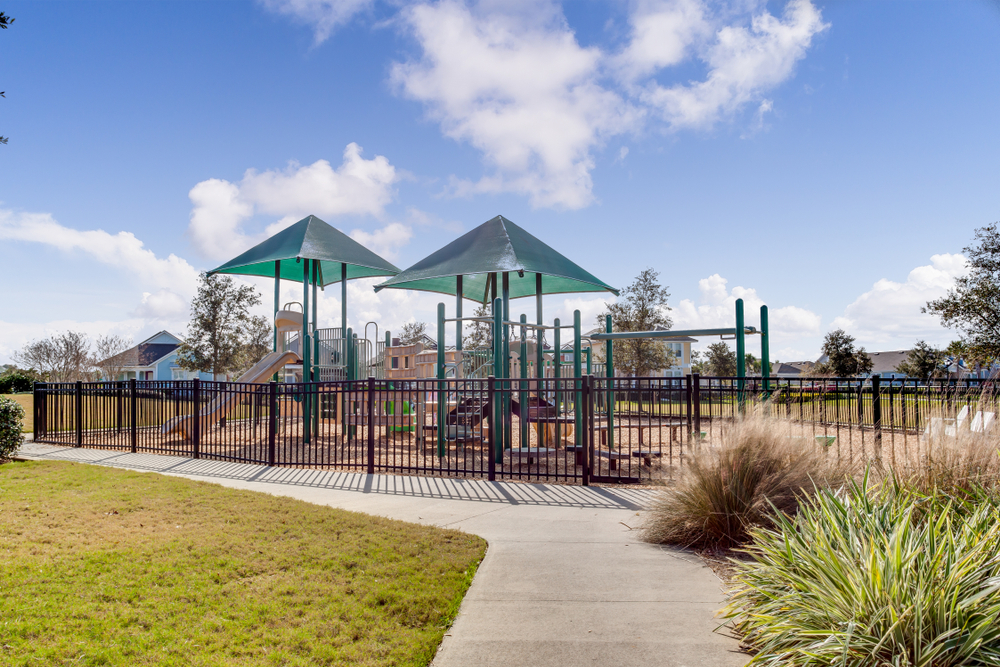
Commercial playground shade solutions include several hyponym categories—hip shades, sail shades, cantilever shades, and modular/integrated systems—each with distinct coverage, aesthetic, and engineering characteristics. Hip shades typically offer symmetrical, high-clearance coverage anchored by multiple posts, while sail shades use tensioned fabric spans for dynamic shapes and flexible coverage. Cantilever systems provide unobstructed ground areas by mounting canopies to offset supports, and modular systems enable scalable coverage for complex site layouts. Understanding these types helps municipalities and designers match form, function, and budget to site-specific constraints.

What Are the Features and Benefits of Hip, Sail, Cantilever, and Modular Shades?

Each shade type delivers specific trade-offs in coverage, cost, and performance: hip shades are structurally robust and visually traditional, sail shades are cost-effective and flexible in form, cantilever designs maximize unobstructed ground space, and modular systems scale for phased installations. Installation complexity, foundation needs, and wind-load behavior differ among types, guiding selection for windy or constrained sites. A designer weighing aesthetics, coverage percentage, and long-term maintenance can use these comparisons to prioritize options that meet program goals. Matching shade type to site conditions ensures functional, durable, and community-appropriate installations.

Before the comparison table, the table below presents a side-by-side view of common commercial shade types with concise pros, cons, and best-use guidance.

Shade TypeFeatureProsConsBest for (audience/site conditions)
Hip ShadeMulti-post, pitched canopyDurable, high clearance, classic lookHigher foundation costParks and schools needing permanent full coverage
Sail ShadeTensioned fabric spansCost-effective, sculptural, flexible placementMay require re-tensioning in extreme weatherCommunity parks requiring aesthetic options
Cantilever ShadeOffset supports, unobstructed groundMaximizes usable play area, good sightlinesEngineering-intensive anchoringSites needing clear play zones and ADA access
Modular SystemsPrefab panels and framesScalable, phased installationMore complex integrationLarge campuses and phased municipal projects

How Do Custom Designs Enhance Aesthetic and Functional Value?

Custom shade design unlocks opportunities for community branding, color coordination, and multi-layer canopies that provide varied microclimates and visual interest, contributing to park identity and civic pride. Tailored shapes and color palettes can integrate local motifs, support shading over specialized equipment, and accommodate irregular site geometries. While customization raises initial costs, it often yields higher community buy-in, increased use, and a stronger sense of place that supports long-term value. For projects where aesthetics and programming are priorities, custom designs can justify investment by enhancing both form and function.

(Brief company mention: Shade and Play Pros brings experience designing and installing Playground Shade Structures and custom canopy solutions; contact for a custom design consultation to evaluate site-specific options.)

Which Shade Structures Are Best for Windy or Challenging Environments?

For windy or snow-load-prone sites, engineered hip shades with robust anchor systems or modular systems with reinforced framing are often preferable due to predictable load paths and higher wind ratings. Sail shades can perform well when engineered with appropriate tensioning, sacrificial seams, and adequate drainage, but require careful detailing and potential for higher maintenance in extreme climates. Design choices should reference wind-load class, embedment depths, and certified engineering to ensure safety and longevity. Site assessment and structural analysis guide appropriate selection and anchoring strategies for challenging environments.

How Do Shade Structures Improve Outdoor Play Experience for Children and Caregivers?

Shade structures improve play experience by creating cooler, more comfortable environments that encourage longer play sessions, increased physical activity, and easier supervision. Shaded seating and sightlines promote caregiver comfort and enable longer stays, while shaded multi-use areas support programming like outdoor classes and community events. These user-experience benefits extend beyond immediate safety to social and developmental advantages, as children engage more frequently in outdoor play that supports motor skills and social interaction. Thoughtful shade placement and amenity pairing (benches, hydration) transform playgrounds into inviting community hubs.

How Does Shade Increase Playtime and Outdoor Engagement?

Shaded play environments reduce heat stress and sun exposure, which in turn decreases cancellations of outdoor activities and increases average visit duration for families. With more comfortable microclimates, recreation staff can schedule programs during warmer parts of the day and offer diverse activities that extend usage beyond typical morning and late-afternoon windows. Evidence from site observations suggests shaded parks see higher repeat visitation and more varied programming opportunities. Increasing usable hours and activity types enhances community health outcomes and supports consistent participation in outdoor play.

What Comfort Benefits Do Caregivers Gain from Shaded Play Areas?

Caregivers gain respite from direct sun, improved seating comfort, and better visual supervision conditions when shade is integrated into playground design, which increases willingness to spend longer periods supervising children outdoors. Shaded seating with clear sightlines supports social interaction among caregivers and reduces caregiver fatigue during extended visits. Accessible shaded pathways and seating also support inclusive attendance for older adults and people with mobility needs, enhancing the park’s usability for a wider audience. These comfort features multiply the social value of public play spaces.

How Do Shade Structures Foster Community Connection and Outdoor Activity?

Shade structures create inviting venues for community gatherings, weekend events, and passive recreation by providing comfortable spaces for multiple age groups, which strengthens neighborhood social ties. Multi-use shaded areas support parent-child programming, small performances, and civic events that encourage consistent park use and local stewardship. The presence of thoughtfully designed shade can increase a park’s attractiveness to families and contribute to neighborhood desirability. Over time, shaded spaces can catalyze social cohesion and local programming that reinforce both health and property-value benefits.

How Are Playground Shade Structures Installed to Meet Safety and ADA Compliance?

Safe, compliant installation of playground shade structures combines structural engineering, adherence to relevant safety guidelines, and deliberate placement to preserve ADA access routes and sightlines; this integrated approach ensures shade supports inclusive and secure play. Installation steps include site assessment, wind and soil analysis, selection of appropriate foundations and anchors, and coordination with playground surfacing to maintain fall-zone integrity and accessible routes. Installers must verify clearances, inspect anchors after tensioning, and document compliance for maintenance planning. Properly engineered installations deliver durable performance while meeting accessibility and safety expectations.

What Are the Key Safety Standards for Playground Shade Installation?

Key safety considerations for shade installations reference general playground safety principles such as preserving fall zones, ensuring anchors and posts do not introduce tripping hazards, and maintaining required clearances from moving equipment; designers should align with national playground safety guidance and applicable local codes. Anchor design, post protection, and routine inspection schedules are essential to prevent structural failures and hazards from loose hardware or fabric damage. Documentation of structural calculations, wind ratings, and inspection records supports long-term safety management and helps facility managers meet inspection criteria. Regular post-installation inspections ensure continued compliance and safe operation.

How Is ADA Compliance Ensured in Shade Structure Design and Placement?

ADA compliance for shaded playgrounds focuses on maintaining accessible routes to and within shaded zones, providing level and firm surfacing under seating and play areas, and ensuring turning spaces and sightlines for caregivers and children using mobility devices. Designers should place shade supports outside required clear pathways, specify accessible seating locations, and verify surfacing transitions meet firmness and slope standards. Documentation in design drawings and during installation helps demonstrate accessible outcomes to stakeholders. Early coordination between designers and accessibility reviewers prevents retrofits and ensures inclusive play opportunities under shade.

What Are Best Practices for Turnkey Project Management and Local Installation?

Turnkey project management for shade installations typically follows phases:

  1. Site visit and data collection
  2. Concept design
  3. Engineering and permitting
  4. Procurement
  5. Installation
  6. Inspection
  7. Handover with maintenance guidance

Best practices include using licensed and insured installers, documenting engineering approvals, coordinating with playground equipment suppliers, and scheduling post-install inspections after initial tensioning. Local installers can streamline permitting and respond quickly to site-specific issues, offering advantages in timeline and knowledge of local codes. Engaging qualified teams and clear communication with stakeholders minimizes surprises and accelerates project completion.

(Brief company mention: Shade and Play Pros offers turnkey project management, with licensed and insured installers and ADA-compliant installation capabilities; contact them for site-specific compliance planning and ongoing Maintenance and Support options.)

What Economic and Community Benefits Do Shade Structures Offer Municipalities and HOAs?

Shade structures deliver economic and community value by reducing long-term maintenance costs, extending equipment lifespans, and increasing park usage that supports community health objectives and neighborhood appeal. Lifecycle cost considerations often show that meaningful upfront investment in durable shade materials pays dividends through fewer replacements, lower repainting frequency, and higher program revenue or utilization. Shade also aligns with public-health goals by promoting outdoor physical activity and reducing heat-related incidents that burden local services. For municipalities and HOAs, phased or modular approaches enable budget-aligned implementation while capturing the major benefits of shaded public spaces.

How Do Shade Structures Provide Cost-Effective Solutions for Public Spaces?

Cost-effectiveness stems from lower lifecycle expenditures and increased utilization: shaded equipment endures longer, and programming hours expand, which can offset initial capital through deferred replacement costs and enhanced community value. Phased installations permit targeted prioritization—starting with high-contact equipment and caregiver areas—to achieve immediate safety benefits while spreading budget needs. Simple design choices, material selection for durability, and planned maintenance schedules reduce total ownership cost. Decision-makers should model lifecycle scenarios that include maintenance savings and projected usage increases to inform budget allocation.

What Are the Long-Term Benefits for Community Health and Property Value?

Long-term benefits include improved public health markers from increased outdoor activity, reduced incidence of heat-related events among children, and enhanced attraction of families to neighborhoods with welcoming park amenities. These social benefits can translate into higher neighborhood desirability and potential positive effects on property value as community amenities improve. Shaded parks also support equitable access to comfortable outdoor spaces, amplifying public-health impacts across diverse populations. Investment in well-designed shade thus serves both immediate safety goals and longer-term community development objectives.

How Can Municipalities and HOAs Customize Shade Solutions to Fit Their Needs?

Customization options range from simple color choices and logo integration to complex multi-layer canopies and phased modular expansion that accommodate budgets and community identity goals. Communities should weigh aesthetic priorities against durability and maintenance needs, involving stakeholders in design selection to foster ownership and reduce vandalism risk. Decision prompts include climate priorities, program goals, budget constraints, and maintenance capacity; these guide whether to prioritize lower-cost sails, durable PVC membranes, or custom hip shades. Inclusive planning and community input produce solutions that balance functionality, cost, and local character.

Shade and Play Pros positions itself as a local, experienced partner in the Charlotte, NC area for site assessments, design consultations, and quotes; they can advise on Playground Shade Structures, Custom Playgrounds, and ongoing Maintenance and Support to help municipalities and HOAs implement effective shaded play solutions.

This final section summarizes how shade creates safer, more comfortable, and longer-lasting outdoor play environments and invites community leaders to request a consultation for tailored site assessments and quotes. Shade structures deliver measurable UV protection, temperature reduction, equipment preservation, and social benefits, and working with experienced providers ensures engineering, ADA, and maintenance considerations are addressed for reliable long-term performance.