by Amanda Capone | Dec 9, 2025 | Playground Safety
Commercial Playground Equipment Regulations and Safety Standards: Comprehensive Guide for Compliance and Accessibility Playground safety regulations and standards define the technical and operational requirements that reduce injury risk, ensure legal compliance, and...

by Amanda Capone | Nov 20, 2025 | Playground Safety
Step-by-Step Guide to Ensuring Playground Equipment Meets Safety Standards in North Carolina Ensuring that playground equipment meets safety standards in North Carolina begins with understanding the specific regulations, performing thorough site evaluations, selecting...
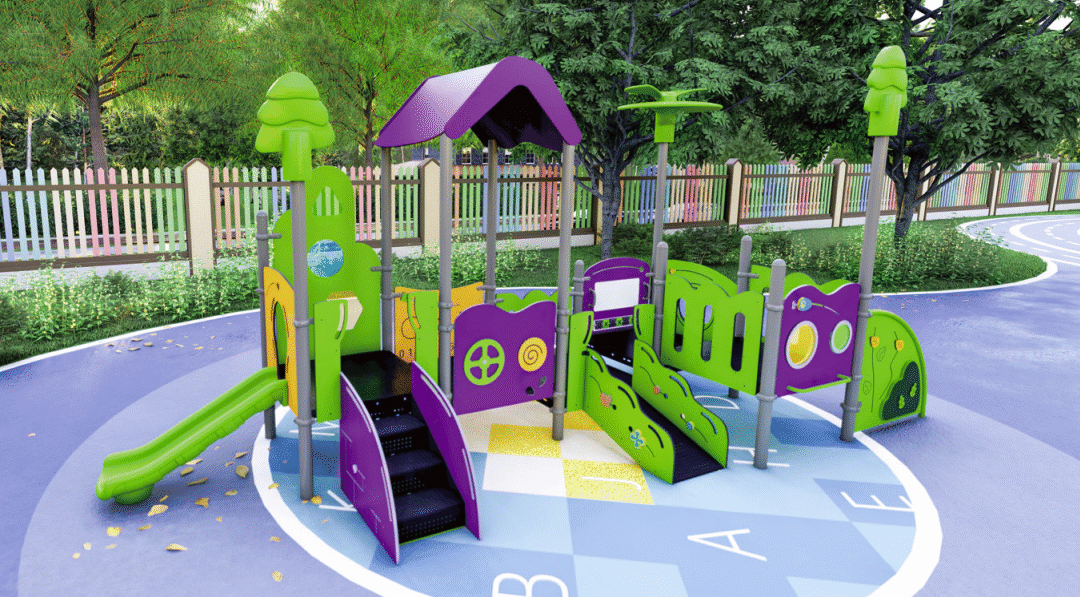
by Amanda Capone | Nov 17, 2025 | Playground Equipment
Playground Design Trends Transforming North Carolina Spaces: Key Innovations and Benefits Playgrounds across North Carolina are undergoing a transformation driven by inclusivity, nature integration, creative themes, intergenerational hubs, and sustainable practices...
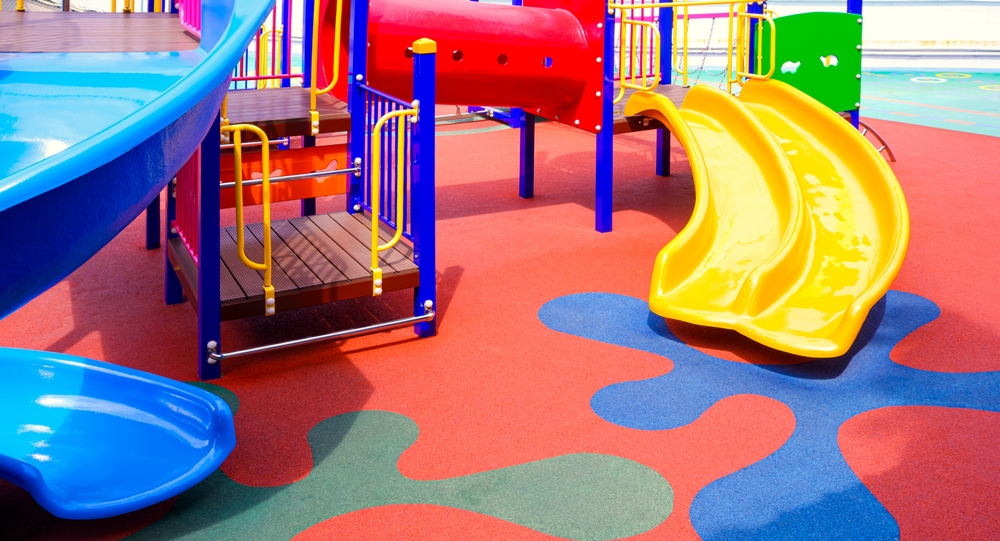
by Amanda Capone | Oct 28, 2025 | Playground Equipment
Safe & Engaging Playground Solutions Creating stimulating and secure outdoor play spaces requires purpose-built commercial playground equipment that meets rigorous safety and accessibility standards. Research indicates that purpose-designed play structures not only...
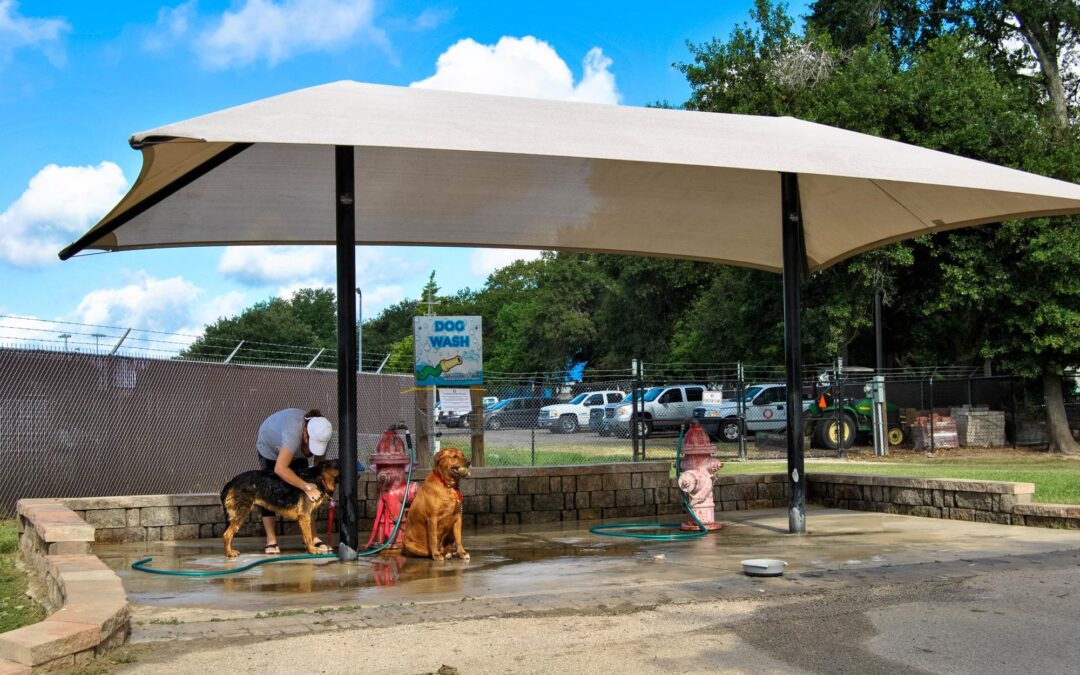
by Amanda Capone | Oct 22, 2025 | Dog Parks
Enhancing Dog Parks with Shade Shade structures for dog parks directly address health, safety, and usability challenges by blocking harmful UV radiation and lowering surface and ambient temperatures to create comfortable microclimates. This article explains how...