Best Playground Safety Surfacing Options: Comprehensive Guide to Safe, Durable, and ADA Compliant Surfaces

Choosing the right playground safety surfacing is crucial for ensuring the safety and enjoyment of children in recreational spaces. This comprehensive guide will explore the best playground safety surfacing options available, focusing on their safety features, durability, and compliance with the Americans with Disabilities Act (ADA). Readers will learn about various materials, their benefits, and considerations to make informed decisions for community or organizational needs. Playground safety surfacing is not just about aesthetics; it plays a vital role in preventing injuries and promoting inclusive play environments. This article will cover the top surfacing materials, safety standards, and local considerations, providing a roadmap for selecting the best options for your playground.

What Are the Top Playground Safety Surfacing Materials?

When it comes to playground safety surfacing, several materials stand out for their safety features, durability, and maintenance requirements. Understanding these options is essential for making informed decisions that prioritize children’s safety.

How Does Poured-In-Place Rubber Provide Safety and Customization?

Poured-in-place rubber surfacing is a popular choice for playgrounds due to its safety and customization options. This material consists of a mixture of recycled rubber and a polyurethane binder, creating a seamless surface that absorbs impact effectively. The customization aspect allows for various colors and designs, enabling playgrounds to reflect their unique themes or branding. Additionally, poured-in-place rubber meets safety standards, providing a cushioned surface that minimizes the risk of injuries from falls. Its durability ensures that it can withstand heavy foot traffic and harsh weather conditions, making it a long-lasting investment for any playground.

What Are the Benefits and Considerations of Rubber Mulch?

Rubber mulch is another excellent playground surfacing option, offering several benefits alongside some considerations. One of the primary advantages is its environmental impact; made from recycled tires, rubber mulch contributes to sustainability efforts. It provides a soft landing surface that reduces the risk of injuries, similar to other loose-fill materials. However, maintenance is a crucial consideration, as rubber mulch can require periodic replenishment to maintain its depth and effectiveness. Additionally, while it is generally cost-effective, initial installation costs can be higher than some other loose-fill options. Overall, rubber mulch is a viable choice for those looking to balance safety, sustainability, and budget.
How Do Engineered Wood Fiber and Artificial Turf Compare for Playground Safety?

Engineered wood fiber and artificial turf are two contrasting options for playground surfacing, each with unique benefits and drawbacks. Understanding their differences can help in selecting the right material for specific needs.

What Makes Engineered Wood Fiber a Natural and Cost-Effective Option?

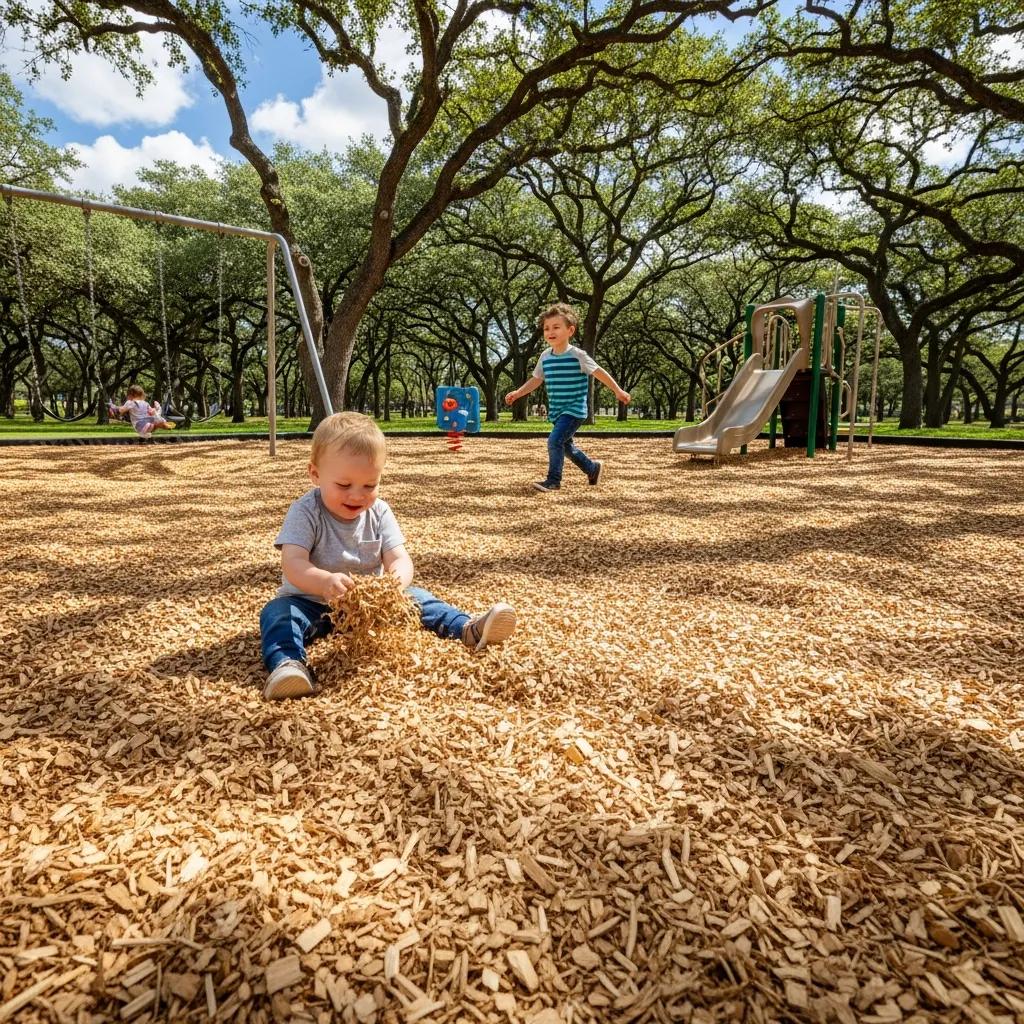
Engineered wood fiber (EWF) is a natural surfacing material made from processed wood chips, providing a soft and safe landing for children. Its cost-effectiveness is a significant advantage, as it is often less expensive than synthetic options. EWF is also biodegradable, contributing to environmental sustainability. However, it requires regular maintenance to ensure it remains at the appropriate depth and to prevent compaction. When properly maintained, engineered wood fiber can provide excellent shock absorption and a natural aesthetic that blends well with outdoor environments.

Why Choose Artificial Turf for Low Maintenance and Durability?

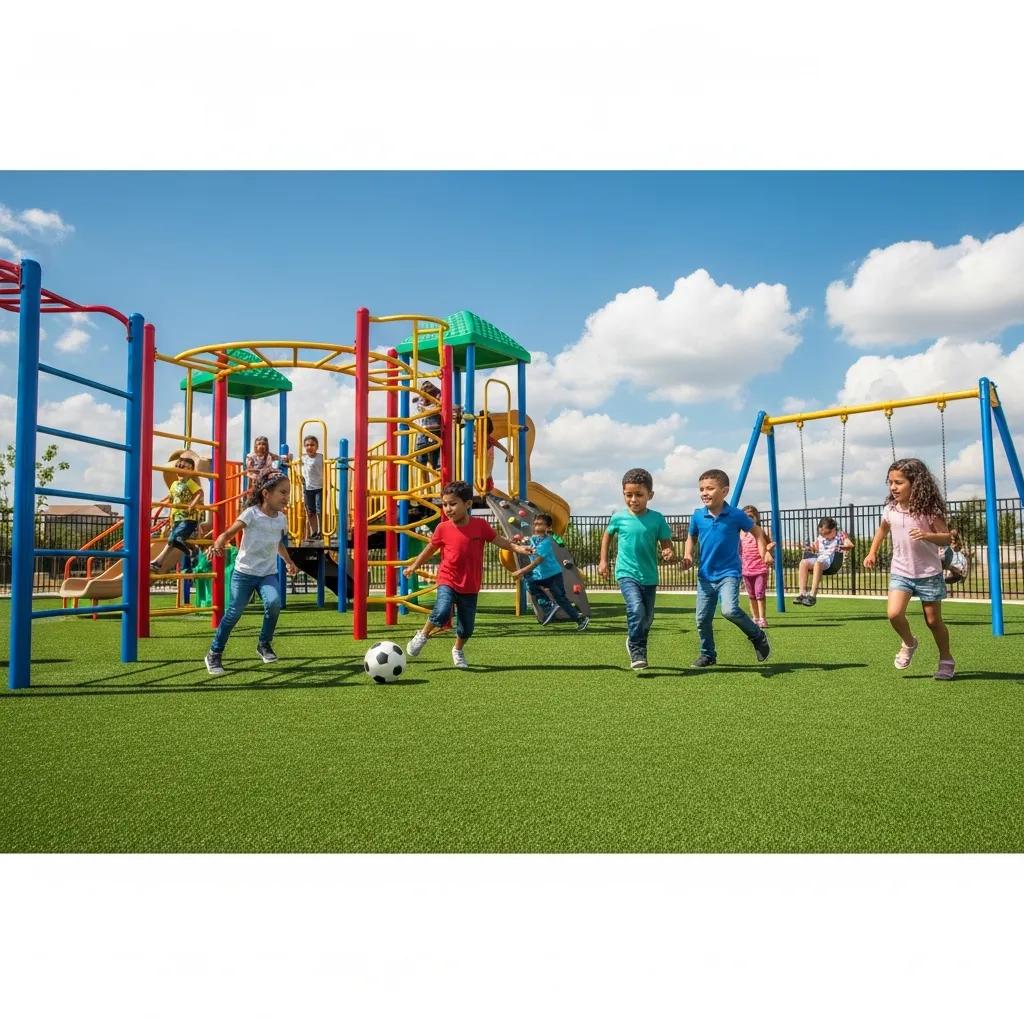
Artificial turf is an increasingly popular choice for playgrounds due to its low maintenance requirements and durability. Unlike natural grass, artificial turf does not require mowing, watering, or fertilizing, making it a cost-effective long-term solution. It provides a consistent playing surface that can withstand heavy use without deteriorating. However, it is essential to ensure that the turf is installed with adequate shock-absorbing underlayment to meet safety standards. While artificial turf offers aesthetic appeal and practicality, it may not provide the same level of cushioning as loose-fill materials, making it crucial to consider the specific needs of the playground.

What Are the Key Safety Standards and ADA Compliance Requirements for Playground Surfaces?

Understanding safety standards and ADA compliance is vital for ensuring that playgrounds are safe and accessible for all children. Compliance with these regulations not only enhances safety but also promotes inclusivity.

How Do ASTM F1292 and IPEMA Certifications Ensure Fall Height Protection?

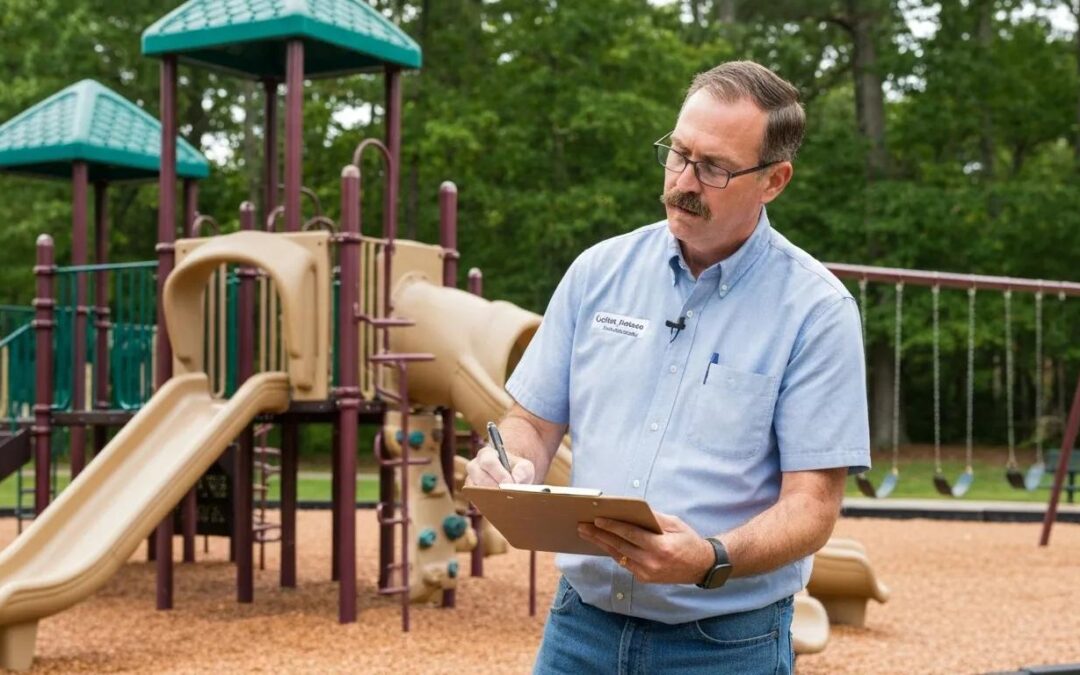
The ASTM F1292 standard outlines the impact attenuation requirements for playground surfacing materials, ensuring that they can effectively reduce the risk of injury from falls. IPEMA certification indicates that a surfacing material has been independently tested and meets these safety standards. By adhering to these guidelines, playgrounds can provide a safer environment for children, minimizing the risk of serious injuries. Regular inspections and maintenance are also essential to ensure that the surfacing continues to meet these standards over time.

Why Is ADA Compliance Critical for Inclusive Playground Surfacing?

ADA compliance is crucial for creating inclusive playgrounds that accommodate children of all abilities. This includes ensuring that surfacing materials provide accessible pathways and play areas. Compliance with ADA guidelines not only enhances safety but also promotes social interaction and play opportunities for children with disabilities. By selecting surfacing materials that meet these requirements, communities can foster an inclusive environment where all children can enjoy playtime together.

Understanding the specific requirements of the Americans with Disabilities Act is essential for designing playgrounds that are truly accessible to all children.

ADA Compliance & Accessible Playground Design Standards

The Americans with Disabilities Act (ADA) recently provided, for the first time, specific accessible design standards for playgrounds. All playgrounds must now comply with these rules that went into place on March 15, 2012. As it is vital that playgrounds undergo the necessary changes to come up to compliance, there is an opportunity to develop an accessible playground design which satisfies all ADA playground standards and requirements.

Designing and Evaluating Playground Equipment for Compliance with the Americans with Disabilities Act, 2014

How to Choose the Best Playground Surface for Your Community or Organization?

Selecting the right playground surface involves considering various factors, including budget, maintenance, and safety features. Understanding these elements can guide decision-making for community leaders and organizations.

What Factors Affect Budget, Maintenance, and Durability Decisions?

When choosing playground surfacing, budget considerations are paramount. Different materials come with varying installation and maintenance costs. For instance, while poured-in-place rubber may have a higher initial cost, its durability can lead to lower long-term maintenance expenses. Conversely, loose-fill materials like rubber mulch may be less expensive upfront but require more frequent replenishment. Evaluating the total cost of ownership, including maintenance and replacement, is essential for making informed decisions.

How Do Loose-Fill and Unitary Surfaces Compare in Cost and Maintenance?

Loose-fill surfaces, such as wood chips or rubber mulch, typically have lower initial installation costs compared to unitary surfaces like poured-in-place rubber. However, loose-fill materials require ongoing maintenance to maintain their depth and effectiveness. In contrast, unitary surfaces offer a more durable and low-maintenance option, often justifying their higher upfront costs. The choice between these two types of surfacing should consider the specific needs of the playground, including usage patterns and budget constraints.

What Are the Local Considerations for Playground Surfacing in Charlotte, NC and Charleston, SC?

Local factors play a significant role in determining the best playground surfacing options. Climate, regulations, and community needs must be taken into account.

How Do Local Climate and Regulations Impact Surface Selection?

In regions like Charlotte, NC, and Charleston, SC, local climate can significantly influence the choice of playground surfacing. For example, areas with high rainfall may require materials that drain well and resist mold and mildew. Additionally, local regulations may dictate specific safety standards and accessibility requirements that must be met. Understanding these local factors is essential for selecting the most appropriate surfacing materials for a given community.

Which Recent Projects Showcase Effective Playground Surfacing Solutions?

Recent projects in Charlotte and Charleston have highlighted innovative playground surfacing solutions that prioritize safety and inclusivity. For instance, a community park in Charlotte recently installed poured-in-place rubber surfacing, providing a safe and colorful play area for children. Similarly, a school in Charleston opted for engineered wood fiber, creating a natural play environment that blends seamlessly with the surrounding landscape. These projects demonstrate the importance of selecting the right surfacing materials to meet community needs and enhance children’s play experiences.

Why Choose Shade and Play Pros for Professional Playground Safety Surfacing Installation?

When it comes to playground safety surfacing installation, choosing a qualified provider is essential for ensuring quality and compliance with safety standards. Shade and Play Pros specializes in outdoor recreational space design and installation services, with a core focus on playground safety surfacing.

What Expertise and Quality Products Does Shade and Play Pros Offer?

Shade and Play Pros brings extensive expertise in playground safety surfacing, utilizing high-quality materials that meet industry standards. Their team is knowledgeable about the latest safety regulations and can guide clients in selecting the best surfacing options for their specific needs. By prioritizing safety and quality, Shade and Play Pros ensures that every playground installation provides a safe and enjoyable environment for children.

How Can You Request a Consultation or Project Inquiry?

To learn more about playground safety surfacing options and request a consultation, interested parties can reach out to Shade and Play Pros directly. Their team is ready to assist with project inquiries and provide tailored solutions that meet the unique needs of each community or organization. Engaging with professionals ensures that playgrounds are designed and installed with safety and compliance in mind, creating spaces where children can play freely and safely.