
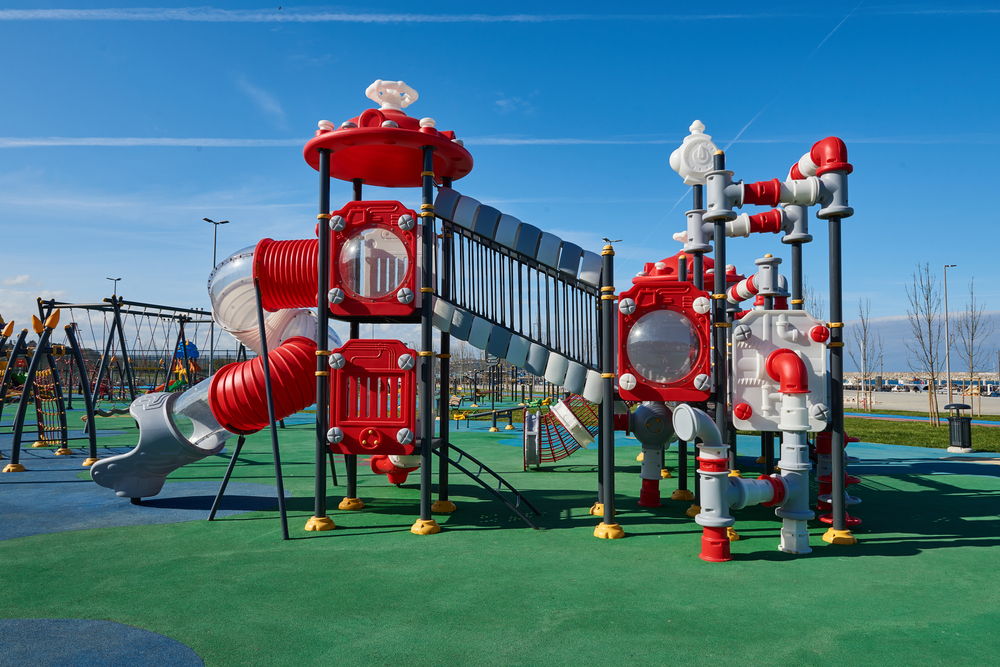
Expert Commercial Playground Design & Planning Services for Safe and Engaging Outdoor Recreational Spaces

Creating safe and engaging outdoor recreational spaces is essential for fostering community interaction and promoting healthy play among children. Expert commercial playground design and planning services ensure that these spaces are not only fun but also compliant with safety regulations and accessible to all. This article will delve into the intricacies of playground design, including site assessments, equipment selection, safety standards, installation processes, and maintenance practices. By understanding these components, municipalities, schools, and commercial properties can create playgrounds that meet community needs while providing safe environments for children to thrive. We will also explore successful case studies from Charlotte, NC, and Charleston, SC, showcasing effective playground design and installation.

What Is Included in a Comprehensive Commercial Playground Site Assessment?

A comprehensive commercial playground site assessment is crucial for determining the suitability of a location for playground installation. This process involves evaluating various factors, including environmental conditions, accessibility, and community needs. By conducting thorough assessments, designers can ensure that the playground will be safe, engaging, and compliant with local regulations.

How Do We Evaluate Playground Location Suitability and Soil Types?

Evaluating playground location suitability involves analyzing several key factors. First, the proximity to residential areas, schools, and community centers is assessed to ensure accessibility for children and families. Additionally, soil types are examined to determine their stability and drainage capabilities, which are critical for supporting playground structures. For instance, sandy soils may require additional reinforcement to prevent shifting, while clay soils may retain water, leading to potential drainage issues.

Which Accessibility Features Are Assessed During Site Evaluation?
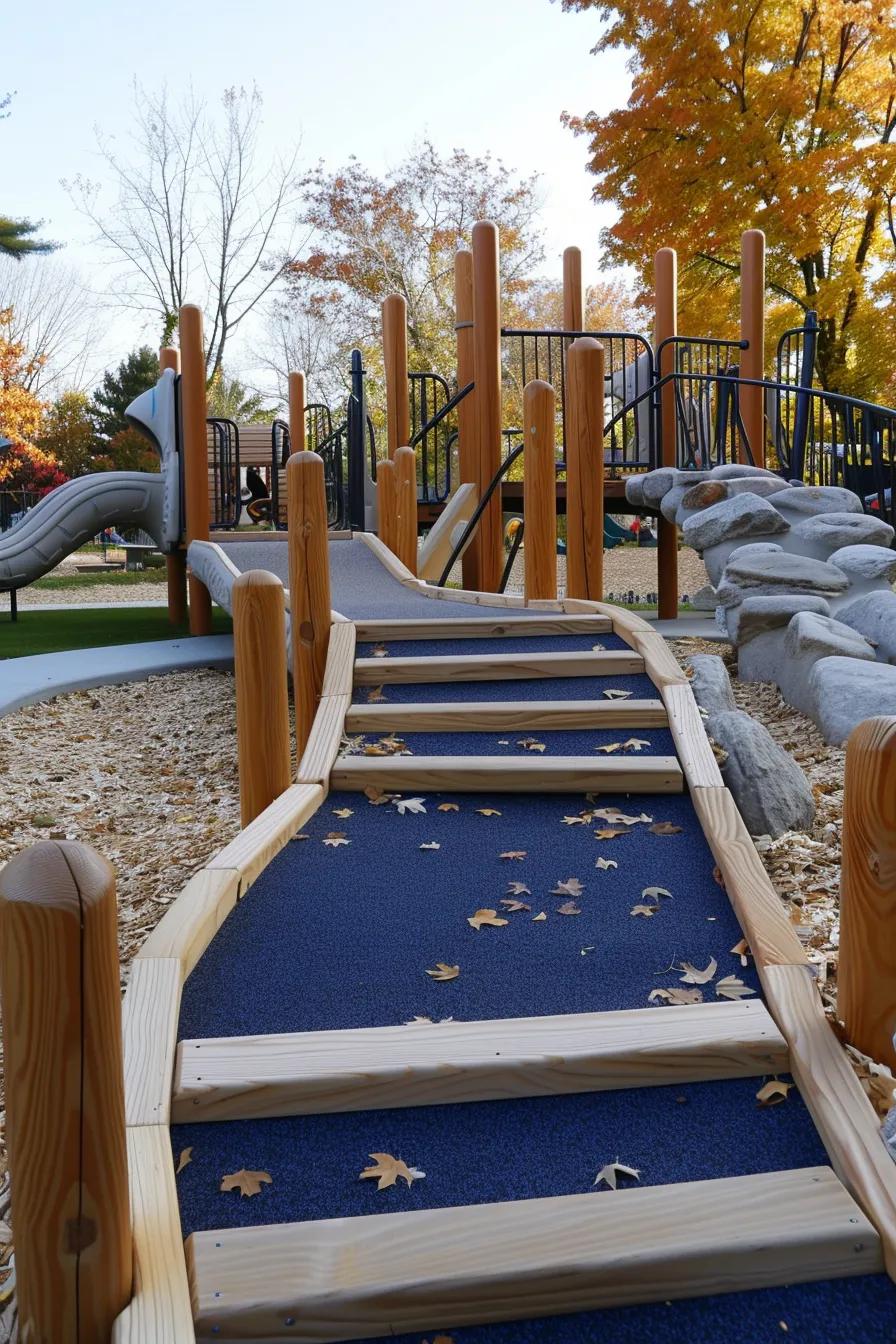
Accessibility features are a vital component of site evaluations. Key standards, such as the Americans with Disabilities Act (ADA), guide the assessment of features like wheelchair ramps, accessible pathways, and sensory play elements. Ensuring that playgrounds are inclusive allows children of all abilities to enjoy the space, fostering a sense of community and belonging. Evaluating these features during the site assessment phase helps identify necessary modifications to meet regulatory requirements and enhance user experience.

Emphasizing the fundamental importance of inclusive play, research underscores that access to play is a universal right for all children, including those with disabilities.

Inclusive Playgrounds: A Child’s Right to Play

In the current century, the importance of play for children is a major issue addressed in the literature. Play enables the physical, mental and social development of children. According to the United Nations Convention on the Rights of the Child, engaging in play is a fundamental right for children. This article of the convention covers all children below the age of 18 and does not exclude the children with disabilities. Like their peers, children with disabilities should also enjoy the right to engage in play, and societies should use every means available in order to help children play whether indoors or outdoors.

No “obstacles” in playgrounds that are not only accessible but also inclusive, H Ayataç, 2016

How to Select Playground Equipment That Meets Safety and Accessibility Standards?

Selecting the right playground equipment is essential for ensuring safety and accessibility. This process involves understanding safety standards, choosing appropriate surfacing materials, and considering inclusive design principles. By prioritizing these factors, playground planners can create environments that are both enjoyable and secure for children.

What Playground Surfacing Options Ensure Safety and Compliance?

Playground surfacing options play a critical role in ensuring safety and compliance with regulations. Common surfacing materials include:

  1. Rubber Mulch: Provides excellent shock absorption and is ADA-compliant.
  2. Poured-in-Place Rubber: Offers a seamless surface that is easy to maintain and can be customized in various colors.
  3. Engineered Wood Fiber: A natural option that is cost-effective and provides good fall protection.

Each of these materials has unique benefits, and selecting the right one depends on factors such as budget, maintenance requirements, and aesthetic preferences.

How Do Playground Equipment Choices Support Inclusive Design?

Inclusive design in playground equipment ensures that all children can participate in play activities. This includes selecting equipment that accommodates various abilities, such as:

  • Accessible Swings: Designed for children with mobility challenges.
  • Sensory Play Panels: Engaging children with different sensory needs.
  • Adaptive Climbing Structures: Allowing children of all abilities to explore and climb.

By incorporating these elements, playgrounds can foster an inclusive environment that encourages social interaction and physical activity among all children.

What Are the Key Playground Safety Standards and Compliance Requirements?

Understanding playground safety standards is essential for ensuring that installations meet regulatory requirements. These standards provide guidelines for equipment design, installation, and maintenance, helping to minimize risks and enhance user safety.

Which ASTM and Regulatory Standards Guide Commercial Playground Safety?

The American Society for Testing and Materials (ASTM) provides critical guidelines for playground safety. Key standards include:

  • ASTM F1487: Covers safety requirements for public playground equipment for children aged 2 through 12.
  • ASTM F1292: Addresses impact attenuation of playground surfacing materials.
  • ASTM F2223: Provides terminology related to playground equipment and surfacing.

Compliance with these standards is vital for ensuring that playgrounds are safe for children and meet legal requirements.

How Often Should Playground Safety Inspections and Maintenance Occur?

Regular safety inspections and maintenance are crucial for preserving playground safety. It is recommended that playgrounds undergo inspections at least twice a year, with additional checks following significant weather events or after heavy usage. Routine maintenance tasks include:

  1. Checking for Wear and Tear: Inspecting equipment for damage or deterioration.
  2. Surface Maintenance: Ensuring surfacing materials remain effective and safe.
  3. Cleaning: Removing debris and ensuring the area is hygienic.

Implementing a consistent inspection and maintenance schedule helps identify potential hazards before they become serious issues.

What Is the Typical Installation Process and Timeline for Commercial Playgrounds?

The installation process for commercial playgrounds involves several key steps, each critical for ensuring a successful project. Understanding this process helps stakeholders set realistic timelines and expectations.

What Equipment and Contractor Credentials Are Required for Installation?

Proper installation requires qualified contractors with experience in playground assembly. Essential credentials include:

  • Certified Playground Safety Inspector (CPSI): Ensures compliance with safety standards.
  • Insurance and Bonding: Protects against potential liabilities during installation.

Additionally, the right equipment, such as excavation tools and safety gear, is necessary for a smooth installation process.

How Long Does Playground Installation Usually Take?

The timeline for playground installation can vary based on several factors, including the size of the project and weather conditions. Typically, installation can take anywhere from a few days to several weeks. Factors influencing the duration include:

  • Site Preparation: Time needed for grading and preparing the ground.
  • Equipment Complexity: More complex structures may require additional assembly time.
  • Weather Conditions: Rain or extreme temperatures can delay progress.

Understanding these factors helps stakeholders plan effectively and manage expectations.

How to Maintain and Upkeep Commercial Playgrounds for Longevity and Safety?

Maintaining and upkeeping commercial playgrounds is essential for ensuring their longevity and safety. Regular maintenance practices help prevent accidents and extend the lifespan of equipment.

What Are Best Practices for Routine Playground Maintenance?
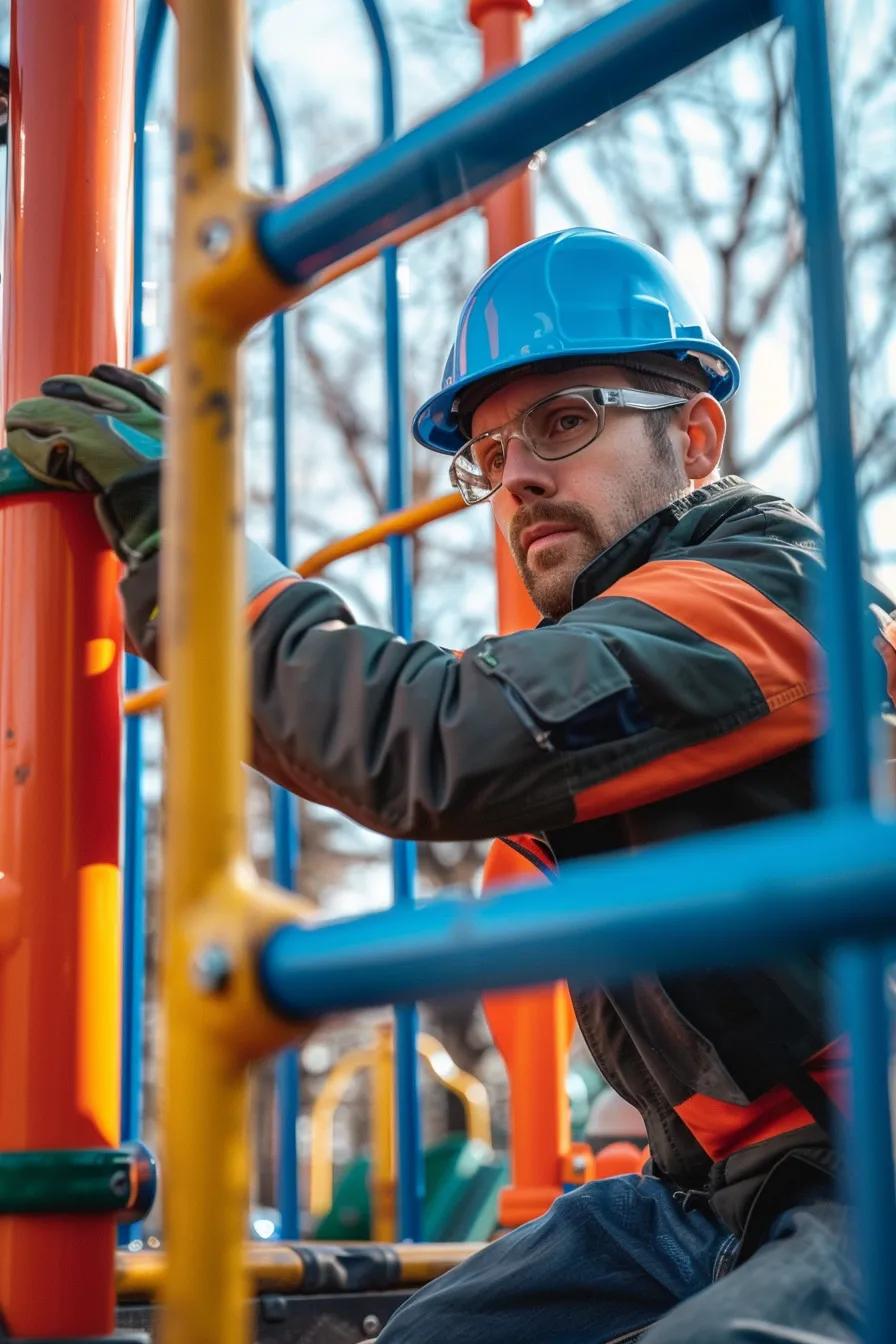
Routine maintenance practices include:

  1. Regular Inspections: Conducting thorough checks for safety and functionality.
  2. Cleaning: Keeping the area free of debris and hazards.
  3. Surface Maintenance: Ensuring surfacing materials are intact and effective.

Implementing these practices helps maintain a safe and enjoyable environment for children.

How Can Maintenance Extend Playground Equipment Lifespan?

Proper maintenance can significantly extend the lifespan of playground equipment. Regular upkeep prevents wear and tear, reduces the risk of accidents, and ensures that equipment remains compliant with safety standards. For instance, timely repairs and surface replacements can prevent costly replacements in the future, making maintenance a wise investment for any playground.

Which Case Studies Showcase Successful Commercial Playground Design and Installation Projects?

Examining successful case studies provides valuable insights into effective playground design and installation practices. These examples highlight the importance of community engagement and adherence to safety standards.

What Are Examples of Playground Projects in Charlotte and Charleston?

In Charlotte, NC, the “Discovery Place Nature” playground project exemplifies successful playground design, featuring inclusive equipment and natural play elements that encourage exploration. Similarly, Charleston’s “Community Play Space” integrates sensory play features and accessible pathways, ensuring that children of all abilities can enjoy the space. Both projects demonstrate the importance of thoughtful design and community involvement in creating engaging playgrounds.

How Do These Projects Demonstrate Compliance and Community Engagement?

These projects showcase compliance with safety standards and reflect community needs through active engagement in the design process. Feedback from local families helped shape the features and layout of each playground, ensuring that the final designs met the expectations and desires of the community. This collaborative approach not only enhances user satisfaction but also fosters a sense of ownership and pride among residents.

Maintenance TaskFrequencyImportance
Regular InspectionsBi-annualIdentifies potential hazards
Surface ChecksMonthlyEnsures safety compliance
CleaningWeeklyMaintains hygiene and aesthetics
Playground EquipmentSafety StandardCompliance Level
SwingsASTM F1487High
Climbing StructuresASTM F1487High
SlidesASTM F1487High

In conclusion, expert commercial playground design and planning services are vital for creating safe, engaging, and accessible outdoor recreational spaces. By understanding the components of site assessments, equipment selection, safety standards, installation processes, and maintenance practices, stakeholders can ensure that their playgrounds meet community needs while providing safe environments for children to thrive.