outdoor play equipment regulations, early childhood playground safety standards, basic requirements for outdoor play equipment, playground regulations
Understanding the Importance of Playground Safety Compliance
Playground safety compliance is crucial for protecting children from injuries and ensuring that recreational spaces are safe for public use. Compliance with established safety standards not only minimizes the risk of accidents but also fosters a positive environment where children can play freely. Municipalities, schools, and property owners must prioritize safety to create inclusive play areas that adhere to regulatory requirements.
In North Carolina, adherence to safety standards is enforced by regulations such as those from the Division of Child Development and Early Education (DCDEE). These regulations outline essential safety protocols that must be followed, including equipment specifications and maintenance practices. By understanding and implementing these standards, stakeholders can enhance the safety of their playgrounds and mitigate potential liabilities.
Best Practices for Playground Design and Layout
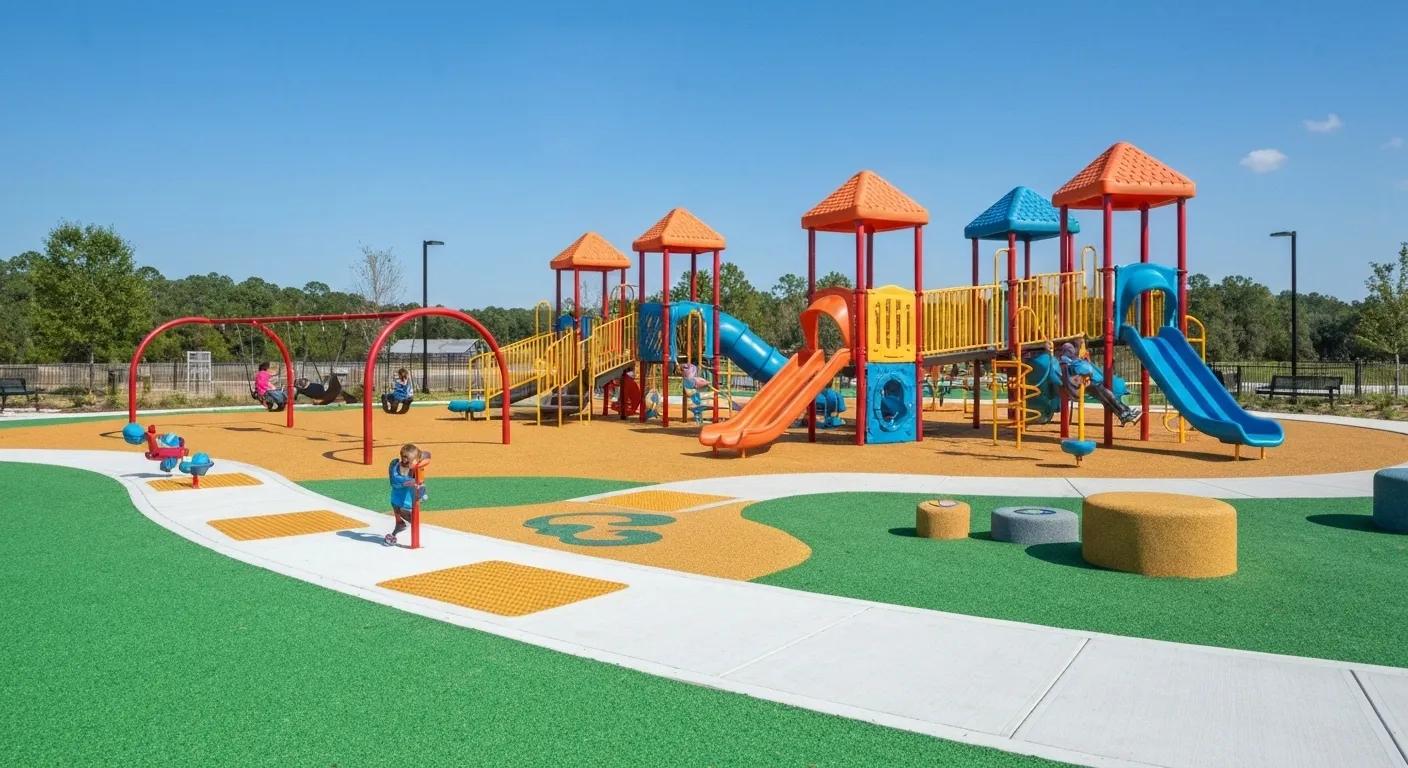
Effective playground design and layout are fundamental to ensuring safety and promoting inclusive play experiences. Best practices involve considering factors such as age-appropriateness, accessibility, and safety zones. A well-designed playground not only meets regulatory requirements but also encourages children to engage in physical activity, social interaction, and imaginative play.
When designing playgrounds, it is important to incorporate features that cater to various age groups and abilities. For instance, integrating equipment that is suitable for toddlers alongside more challenging structures for older children can create a harmonious play environment. Additionally, ensuring that pathways are accessible and that equipment is spaced adequately can prevent accidents and enhance the overall user experience.
Community Engagement in Playground Safety Initiatives
Community engagement plays a vital role in promoting playground safety initiatives and raising awareness about the importance of compliance with safety standards. Involving local stakeholders, such as parents, educators, and community leaders, can lead to better decision-making and resource allocation for playground safety improvements. By fostering a culture of safety, communities can work together to create safer play environments.
Organizing community workshops, safety audits, and informational campaigns can effectively educate the public about playground safety regulations and best practices. These initiatives not only empower community members to take an active role in maintaining safety but also encourage collaboration with professionals like Shade and Play Pros, who can provide expert guidance and support for compliance efforts.
Innovative Technologies in Playground Safety Monitoring
Innovative technologies are increasingly being integrated into playground safety monitoring to enhance compliance and ensure ongoing safety assessments. Tools such as digital inspection platforms, automated safety sensors, and data analytics can streamline the monitoring process and provide real-time insights into equipment conditions and safety compliance.
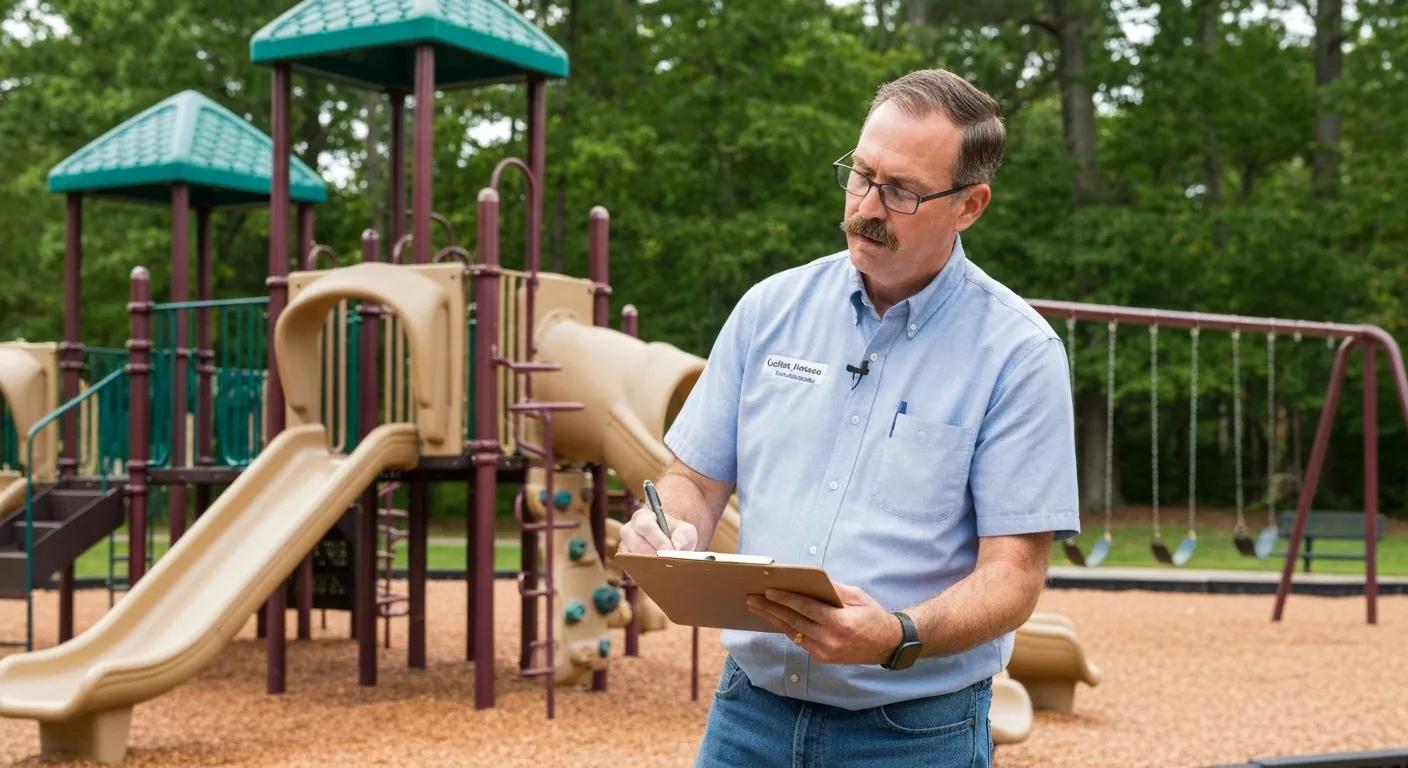
For example, using mobile applications for inspections allows safety inspectors to document findings efficiently and share reports with stakeholders instantly. Additionally, sensors that monitor wear and tear on playground equipment can alert maintenance teams to potential hazards before they lead to injuries. Embracing these technologies not only improves safety management but also helps organizations stay ahead of regulatory changes and maintain high standards of playground safety.