Certified Custom Playground Installation Services in North Carolina
- Why professional installation matters for safety, compliance, and hassle-free management
- The full spectrum of equipment solutions across educational, commercial, municipal, and residential sites
- Safety surfacing options and their protective benefits
- End-to-end processes from site assessment through maintenance, plus trends shaping North Carolina play spaces
Why Choose Professional Playground Equipment Installation Services in North Carolina?
How Do Certified Installers Ensure Playground Safety and Compliance?
Playground Safety Standards
American Society for Testing and Materials (ASTM), ASTM F1487-23: Standard Consumer Safety Performance Specification for Playground Equipment for Public Use (2023)
What Are the Benefits of Turnkey Playground Installation Solutions?
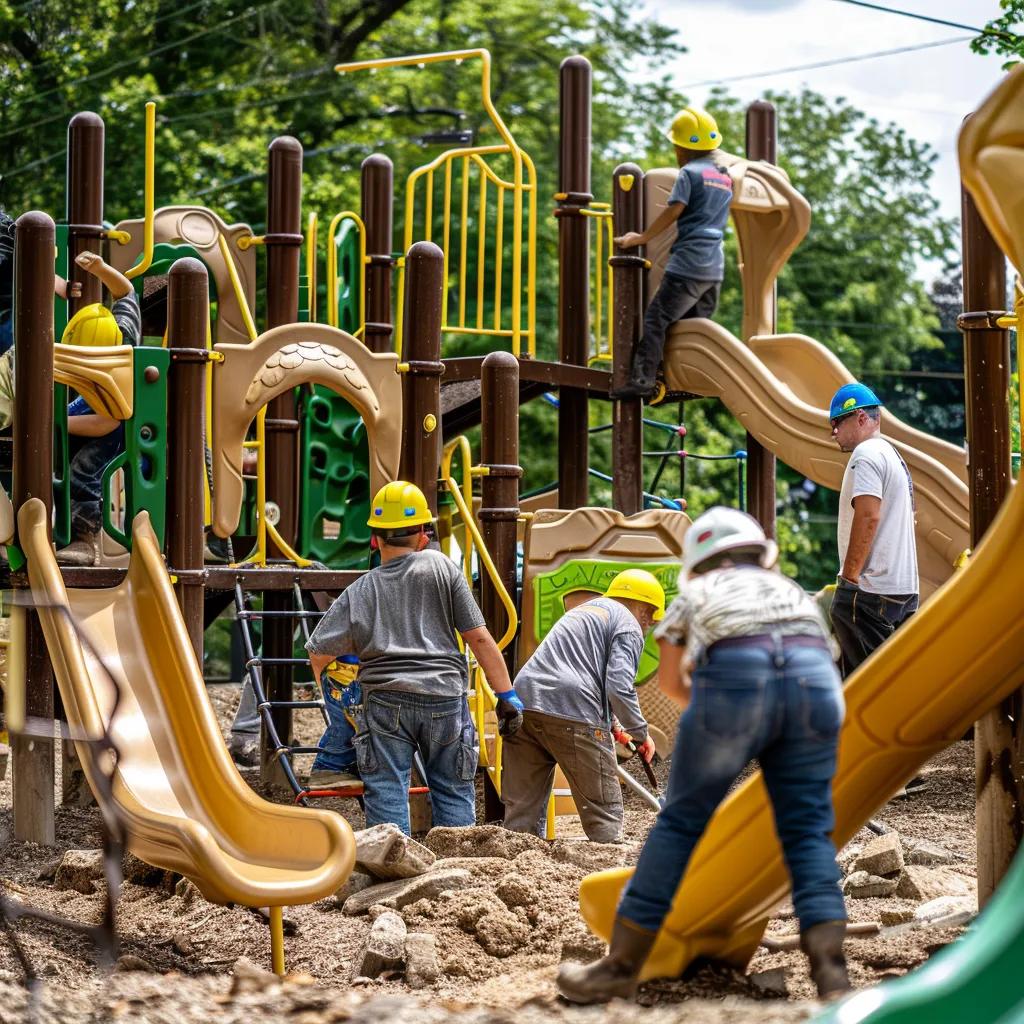
- Single-point accountability for schedule and budget
- Streamlined coordination with suppliers and inspectors
- Consistent quality control and warranty coverage
How Does Custom Playground Design Meet North Carolina Client Needs?
- Encourage inclusive play
- Fit irregular spaces
- Reflect local culture
What Types of Playground Equipment Installation Services Are Available in North Carolina?
Which Playground Equipment Is Best for Schools and Educational Facilities?
- Low-impact slides and swings certified for elementary use
- Sensory panels supporting special-needs students
- Group play zones aligned with physical education curricula
What Commercial Playground Equipment Options Serve Businesses and Developers?
- Heavy-duty steel-core structures
- UV-stabilized plastics and powder-coated metals
- Integrated seating or advertising panels
How Are Park and Recreation Playgrounds Designed and Installed?
- ADA access paths
- Community input on play features
- Durable surfacing for heavy seasonal use
What Playground Solutions Are Tailored for HOAs and Residential Communities?
- Pre-approved equipment packages for architectural review
- Modular shade structures and seating
- Annual maintenance contracts
How Does Playground Safety Surfacing Installation Enhance Protection in North Carolina Playgrounds?

What Are the Advantages of Poured-in-Place Rubber Surfacing?
| Entity | Attribute | Value |
|---|---|---|
| Poured-in-Place Rubber | Impact Absorption | Reduces G-forces on impact by up to 80% |
| ADA Compliance | Smooth, slip-resistant pathways | |
| Durability | Lifespan of 10–15 years with routine cleaning |
ADA Compliance in Playgrounds
U.S. Department of Justice, Americans with Disabilities Act (ADA) Standards for Accessible Design (2010)
How Do Engineered Wood Fiber and Other Surfacing Options Compare?
| Entity | Attribute | Value |
|---|---|---|
| Engineered Wood Fiber | Cost | Lower initial cost |
| Maintenance | Requires annual raking and topping up | |
| Safety Rating | Up to 8 ft fall height | |
| Synthetic Turf | Appearance | Year-round green, low allergen |
| Drainage | Excellent water flow |
Why Is Compliance with ASTM, CPSC, and IPEMA Standards Critical for Safety Surfacing?
What Is the Step-by-Step Process for Playground Equipment Installation in North Carolina?
How Is Site Assessment and Preparation Conducted?
- Mark utility lines and measure fall zones
- Excavate to engineered subgrade specifications
- Compact base material and install perimeter containment
What Are the Key Phases of Equipment Delivery and Installation?
- Equipment Delivery: Unloading modules and verifying inventory
- Assembly: Framing, anchoring posts, and securing platforms
- Surfacing: Laying rubber or wood fiber to specified depths
- Quality Control: Torque checks, level verification, and finish inspections
How Are Safety Inspections and Final Approvals Managed?
- Structural integrity of connections
- Surfacing depth and drainage performance
- Accessibility routes and signage
How Can North Carolina Clients Benefit from Playground Maintenance and Repair Services?
What Routine Maintenance Practices Extend Playground Equipment Lifespan?
- Lubricate moving parts to prevent wear
- Re-coat metal surfaces with protective paint
- Replenish engineered wood fiber or rubber infill
When Is Playground Repair Necessary and How Is It Performed?
- Replace damaged panels and rusted fasteners
- Patch or re-pour rubber surfacing areas
- Realign misleveled structures
How Do Safety Audits Support Ongoing Playground Compliance?
- Detail observed deficiencies
- Recommend corrective actions
- Track maintenance histories
How Does Shadeandplaypros.com Support North Carolina Clients with Playground Consultation and Design?
What Does a Comprehensive Playground Site Assessment Include?
- Topographic mapping and soil testing
- Sun/shade analysis for thermal comfort
- Stakeholder interviews to capture user needs
How Are Custom Playground Designs Developed and Visualized?
How Does Consultation Help Plan Budgets and Project Timelines?
- Detailed cost estimates broken into equipment, surfacing, labor, and permits
- Phased schedules to fit school calendars or seasonal park openings
- Value-engineering options to optimize ROI without compromising safety
Which North Carolina Locations and Client Types Are Served by Playground Equipment Installation Experts?
What Playground Installation Services Are Available in Raleigh and Surrounding Areas?
How Do Services Cater to Charlotte, Greensboro, and Other NC Cities?
How Are Schools, Municipalities, Parks, HOAs, and Developers Supported Differently?
- Schools receive curriculum-aligned designs and off-hour installation windows.
- Municipalities access grant-compliant proposals and community engagement facilitation.
- Parks & Recreation teams benefit from inclusive-play audits and volunteer-friendly build days.
- HOAs get pre-approved equipment packages with low-maintenance warranties.
- Developers integrate playground zones into master-planned communities with phased build-outs.
What Are the Typical Costs and Return on Investment for Playground Equipment Installation in North Carolina?
How Is the Cost of Commercial Playground Installation Determined?
- Equipment complexity and material grade
- Surfacing type and fall-height requirements
- Site preparation scope (excavation, drainage, grading)
- Permitting, engineered plans, and inspection fees
What Are the Long-Term Benefits and ROI for Schools and Commercial Properties?
- Safety Risk Reduction – Fewer injuries lower liability costs
- Enhanced Property Value – Attractive amenities boost enrollment or foot traffic
- Community Engagement – Inclusive play areas foster local pride and repeat visits