Inspecting Playgrounds for Safety Standards in North Carolina: Comprehensive Guide to Ensuring Compliance and Protection

Over 70 percent of playground injuries occur when children fall onto inadequate surfaces, making routine inspections a critical safeguard for North Carolina communities. This guide maps the state’s key regulations, clarifies the role of Certified Playground Safety Inspectors (CPSI), and details inspection types—from monthly checks at childcare centers to annual audits at public parks. You’ll learn how federal and state standards (CPSC, ASTM, ADA, 10A NCAC 09 .0605) converge, why professional inspectors mitigate liability, and how schools, HOAs, and recreation departments can maintain compliance. With actionable checklists and resource links, this article empowers municipalities, schools, and property owners to protect children and preserve outdoor spaces through expert safety strategies.

What Are the Key Playground Safety Regulations in North Carolina?

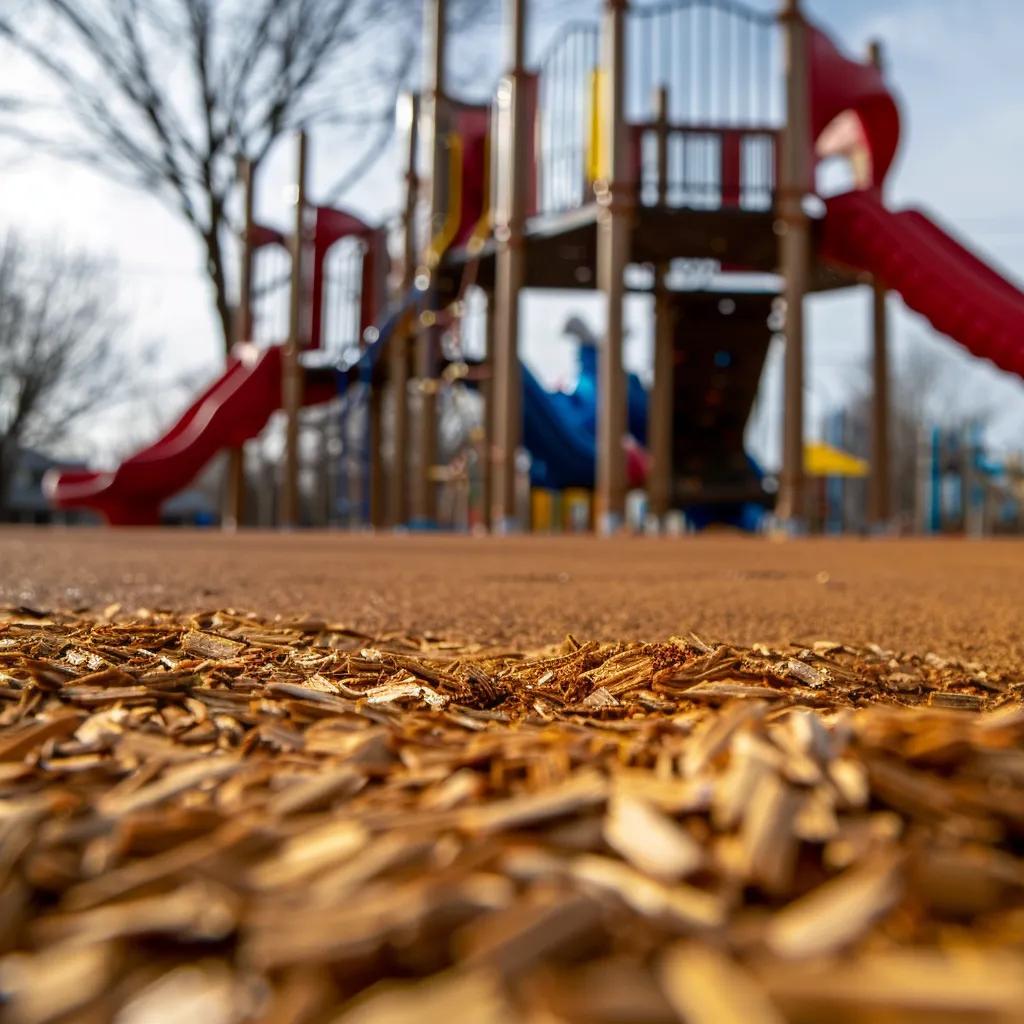
Playground surface covered in wood chips with colorful slides and play structures in the background, highlighting safety features for children in North Carolina.

North Carolina playground safety regulations define legal requirements for surface materials, equipment layout, and inspection frequency to minimize injury risk. These rules ensure that public and licensed child care playgrounds meet protective surfacing criteria and guardrail standards, delivering a consistent safety framework across schools, parks, and HOAs.

North Carolina enforces four core regulation clusters:

  1. 10A NCAC 09 .0605 – State childcare licensing rule for outdoor learning environments.
  2. DCDEE Guidelines – Division of Child Development and Early Education standards for fall zones and equipment spacing.
  3. Surfacing & Spacing – Specific fall attenuation measurements and play equipment separation distances.
  4. Inspection Mandates – Monthly visual checks vs. annual certified audits.

These regulations create a layered compliance model that prioritizes preventive maintenance and professional assessment, preparing playground owners for both routine care and formal safety certification.

North Carolina Playground Safety Regulations

North Carolina has specific regulations for playground safety, including requirements for surfacing materials, equipment layout, and inspection frequency to minimize injury risks. These regulations ensure that playgrounds in schools, parks, and HOAs meet safety standards.

This regulation is directly related to the article’s discussion of the legal requirements for playground safety in North Carolina.

What Does North Carolina’s 10A NCAC 09 .0605 Rule Require for Playgrounds?

North Carolina’s 10A NCAC 09 .0605 mandates protective surfacing under all play equipment, age-appropriate layout, and barrier height specifications to reduce fall-related injuries. Licensed child care facilities must document monthly surface depth measurements and barrier inspections. Consistent record-keeping of maintenance actions demonstrates adherence and supports annual certification requirements.

How Does the Division of Child Development and Early Education (DCDEE) Govern Playground Safety?

The DCDEE oversees licensing compliance by issuing technical guidance on equipment installation, fall height zones, and barrier systems. Inspectors reference DCDEE bulletins when evaluating playgrounds at childcare sites. Enforcement actions may include corrective orders or temporary closure until safety improvements are verified.

What Are North Carolina’s Playground Surfacing and Equipment Spacing Standards?

Protective surfacing must achieve a critical fall height rating equal to the tallest equipment use zone, typically 6–12 inches of engineered wood fiber or 2–3 inches of rubber mulch. Equipment spacing requires a minimum of 6 feet between structures and 9 feet of clearance in front of swings.

EntityAttributeValue
Engineered Wood FiberDepth6–12 inches (150–300 mm)
Rubber MulchDepth2–3 inches (50–75 mm)
Equipment SpacingLateral Clearance6 feet (1.8 m)
Swing ClearanceFront/Back Zone9 feet (2.7 m)

These surfacing and spacing criteria guarantee energy attenuation during falls and reduce collision risks, laying the groundwork for consistent safety across all North Carolina playgrounds.

How Do Monthly and Annual Inspection Requirements Differ for NC Playgrounds?

Monthly inspections focus on visual checks of surfacing depth, trip hazards, and loose components. Facilities log each review to maintain licensing. Annual certified inspections, conducted by a CPSI, provide an in-depth audit aligned with CPSC and ASTM standards, delivering a comprehensive report and corrective action plan to protect against legal liability.

North Carolina Playground Inspection Guide: Safety & Compliance

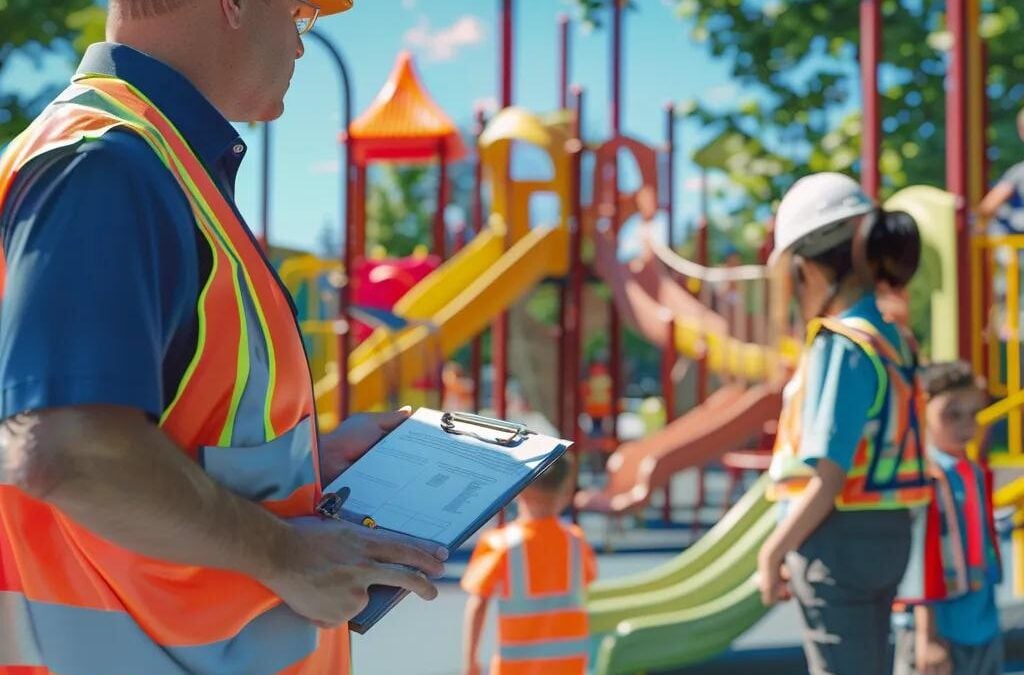
Colorful playground equipment with a child inspecting a safety checklist, emphasizing playground safety standards and inspections in North Carolina.

A Certified Playground Safety Inspector (CPSI) is a professional credentialed by the National Recreation and Park Association to identify playground hazards, ensure compliance with state and federal standards, and recommend remediation. CPSIs bridge technical regulations and practical safety improvements, offering communities a reliable path to certified protection.

What Qualifications and Training Define a CPSI in North Carolina?

CPSI candidates complete a rigorous training program covering CPSC guidelines, ASTM F1487 equipment standards, ASTM F1951 surfacing accessibility, and North Carolina’s 10A NCAC 09 .0605 rule. Successful applicants pass a comprehensive exam and fulfill continuing education requirements to maintain certification.

How Do CPSI Inspections Help Municipalities, Schools, and HOAs Mitigate Liability?

Engaging a CPSI reduces legal exposure by documenting compliance with recognized safety protocols. A certified inspection report serves as evidence of due diligence in risk management, supporting insurance claims and defending against potential litigation related to playground injuries.

CPSI Inspections and Liability Mitigation

Engaging a Certified Playground Safety Inspector (CPSI) can help reduce legal exposure by documenting compliance with safety protocols. A certified inspection report serves as evidence of due diligence in risk management, supporting insurance claims and defending against potential litigation related to playground injuries.

This citation supports the article’s claims about the benefits of using CPSIs for playground safety.

Where Can You Find Certified CPSI Professionals for Playground Inspections in NC?

North Carolina municipalities and property owners can source CPSI services through Shade and Play Pros, which maintains an independent roster of state-licensed inspectors. Local parks, schools, and HOAs can request a consultation via the online form or phone to schedule annual audits and monthly safety reviews.

What Are the National and Industry Playground Safety Standards Applied in North Carolina?

North Carolina playground inspections integrate federal and industry standards to ensure uniform safety levels. The Consumer Product Safety Commission (CPSC) Public Playground Safety Handbook establishes foundational guidelines, ASTM International publishes technical specifications for equipment and surfacing, and the Americans with Disabilities Act (ADA) mandates accessible routes and play components.

EntityAttributeValue
CPSC HandbookScopePublic playground design and maintenance
ASTM F1487Equipment StandardConsumer safety performance for public use
ASTM F1951Surfacing StandardDetermination of accessibility
ADA GuidelinesAccessibility ComplianceRoutes, transfer systems, ground-level play

How Does the Consumer Product Safety Commission (CPSC) Guide Playground Safety?

The CPSC handbook defines critical fall zones, maintenance frequency, and signage requirements. Inspectors reference its recommendations for hazard identification, equipment wear assessment, and corrective action timelines to maintain user protection.

What Are ASTM F1487 and ASTM F1951 Standards for Playground Equipment and Surfacing?

ASTM F1487 sets performance specifications for public playground equipment, including structural integrity and entrapment prevention. ASTM F1951 provides test methods for evaluating surface accessibility, ensuring wheelchair and adaptive device users can navigate under and around play structures.

How Is ADA Compliance Integrated into North Carolina Playground Safety?

ADA compliance involves designing accessible routes to and within the play area, providing transfer platforms, and adhering to maximum slopes. Inspectors verify that surfacing materials meet ASTM F1951 requirements and that play elements accommodate a range of abilities.

What Types of Playground Inspections Are Conducted in North Carolina and What Are Their Benefits?

Playground inspections in North Carolina range from basic visual checks to full compliance audits, each offering distinct protections:

  1. Annual Certified Inspection – A CPSI conducts a detailed assessment against state and federal standards, delivering a formal report and prioritized remediation list.
  2. Routine Maintenance Checks – Monthly reviews by facility staff or consultants identify emerging hazards early, extending equipment lifespan.
  3. Post-Installation Inspections – Verification of new equipment installations before public use ensures correct installation and compliance from day one.

Routine maintenance bolsters safety day to day, while annual and post-installation audits guarantee long-term compliance and legal protection.

What Is Included in an Annual Certified Playground Safety Inspection?

An annual CPSI audit evaluates equipment wear, surfacing depth, ADA accessibility, and compliance with CPSC, ASTM, and NC regulations. It results in a comprehensive safety report with photographic documentation and a remediation timeline to guide upgrades.

How Do Routine Maintenance Checks Support Playground Longevity and Safety?

Routine maintenance checks focus on loose fasteners, surface compaction, debris removal, and minor repairs. These proactive actions prevent small issues from becoming major hazards and reduce replacement costs by preserving materials.

What Are Post-Installation Inspections and Safety Audits?

Post-installation inspections confirm that new equipment is installed according to manufacturer specifications and safety standards. Safety audits extend this review to existing installations, measuring compliance gaps and recommending improvements.

How Can Schools, HOAs, and Parks Ensure Playground Safety Compliance in North Carolina?

Different property owners face unique challenges when maintaining playground safety. Schools must align with state licensing and educational standards, HOAs manage communal liability and budgets, and parks departments serve diverse age groups and accessibility needs.

What Are the Unique Playground Safety Considerations for North Carolina Schools?

School playgrounds require precise alignment with both DCDEE rules and educational facility guidelines. Inspections must account for varied age-group equipment, supervised use schedules, and recurring safety education for staff and students.

How Do HOAs Manage Playground Safety and Liability in NC?

HOAs must balance community budgets with insurance requirements. Commissioning annual CPSI audits and scheduling monthly visual checks ensures boards demonstrate due diligence, reduce claims, and support healthy community environments.

What Are Best Practices for Parks and Recreation Departments in NC?

Parks and recreation departments should implement a two-tier safety program: daily playground sweeps by maintenance crews and annual professional inspections. Incorporating inclusive design trends—such as sensory play elements—enhances community engagement and legal compliance.

What Are the Most Common Playground Hazards Found During Inspections and How Are They Mitigated?

Inspections often uncover wear-and-tear issues, surfacing failures, and accessibility gaps. Addressing these hazards promptly protects users and extends equipment lifespan.

EntityHazardMitigation
Metal EquipmentRust and Sharp EdgesSandblast and repaint with anti–corrosive coatings
Surfacing MaterialCompaction and ErosionRake and replenish to achieve required depth
Accessibility RoutesADA NoncomplianceInstall ramps, transfer platforms, and compliant surfacing

Which Playground Equipment Issues Pose the Highest Risks?

Risks include loose hardware, entrapment points, and sharp edges. Regular torque checks, component replacement, and protective coatings address these concerns directly.

How Does Unsafe Surfacing Contribute to Playground Injuries?

Compacted or eroded surfacing fails to absorb fall impact, increasing the likelihood of fractures and head injuries. Maintaining proper depth and material integrity is essential for energy attenuation.

What Are Effective Solutions for Identified Playground Safety Hazards?

Effective solutions pair immediate repairs—such as replacing worn mulch and tightening fasteners—with long-term strategies like installing engineered surfacing systems and scheduling professional audits.

How Can You Use a Playground Safety Checklist or Self-Assessment Tool to Maintain Compliance in North Carolina?

A structured checklist empowers facility staff to perform weekly or monthly reviews, catching hazards before they escalate. Self-assessments support proactive maintenance and prepare playgrounds for certified audits.

What Should Be Included in a North Carolina Playground Safety Checklist?

Key checklist items include surfacing depth measurements, equipment stability tests, trip hazard inspections, signage presence, and ADA compliance checks. A well-designed checklist aligns with CPSC and 10A NCAC 09 .0605 criteria.

How Can Self-Assessment Help Identify Potential Playground Risks Early?

Self-assessments enable staff to spot loose bolts, surface compaction, and wear patterns. Early identification prevents injuries and reduces long-term repair costs by addressing issues when they first appear.

Where Can You Download or Access NC-Specific Playground Safety Resources?

North Carolina playground owners can download free checklists and self-assessment guides from the Shade and Play Pros Resource Library and official DCDEE and CPSC websites for state-specific forms and guidance.

Children’s safety hinges on systematic inspections, professional expertise, and adherence to well-defined standards. By integrating monthly self-assessments with annual CPSI audits, North Carolina schools, HOAs, and parks can maintain compliant playgrounds that promote healthy, injury-free play. For expert consultation and certified inspection services, visit Shade and Play Pros or request a site evaluation today.