playground safety training nc, nc playground safety training, school playground safety standards, hoa playground requirements, playground standards, playground equipment safety standards, playground equipment regulations, playground regulations, playground inspection, church playground equipment installation nc, playground equipment structural integrity standards, playground inspection requirements, playground mulch requirements, inspecting playground equipment, playground equipment inspection
What Are the Key Benefits of Regular Playground Inspections?
Regular playground inspections provide essential benefits that ensure the safety and well-being of children. By conducting routine checks, playground owners can identify and address potential hazards before they lead to accidents. This proactive approach not only enhances child safety but also fosters a sense of community trust in public and private play environments.
In addition to enhancing safety, regular inspections help maintain compliance with state and federal regulations, reducing the risk of legal liability. For instance, municipalities and schools that prioritize inspections demonstrate due diligence in risk management, which can be crucial in defending against claims related to playground injuries. Furthermore, a well-maintained playground can encourage more children to engage in outdoor activities, promoting physical health and social interaction.
How to Choose a Qualified Playground Safety Inspector in North Carolina?
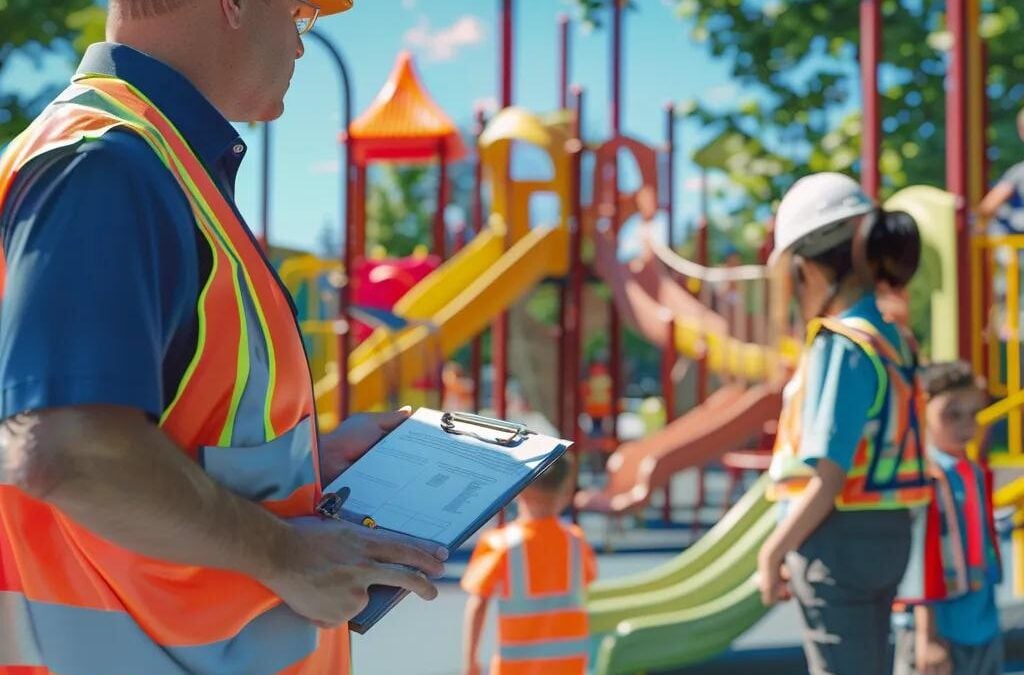
Selecting a qualified playground safety inspector is critical for ensuring compliance and safety. Look for inspectors who hold the Certified Playground Safety Inspector (CPSI) credential, as this indicates they have undergone rigorous training and are knowledgeable about both state and national safety standards. Additionally, consider their experience and reputation within the community to ensure that they can effectively identify and mitigate risks.
It's also beneficial to inquire about the inspector's familiarity with local regulations, such as North Carolina’s 10A NCAC 09 .0605 rule, which governs playground safety. A qualified inspector should provide detailed reports that outline findings, offer actionable recommendations, and support your ongoing safety efforts. Engaging with a CPSI can significantly enhance your playground's safety profile and compliance status.
What Resources Are Available for Playground Safety Training in North Carolina?
North Carolina offers a variety of resources for playground safety training aimed at equipping individuals and organizations with the knowledge needed to maintain safe play environments. Local workshops, online courses, and certification programs are available through organizations like the National Recreation and Park Association (NRPA) and the Division of Child Development and Early Education (DCDEE). These programs cover essential topics such as hazard identification, compliance with safety standards, and best practices for maintaining playground equipment.
Additionally, municipalities and schools can access training materials and guidelines from the Consumer Product Safety Commission (CPSC) and ASTM International. These resources provide valuable insights into playground design, maintenance, and inspection protocols, ensuring that stakeholders are well-informed and capable of implementing effective safety measures. Investing in training not only enhances safety but also fosters a culture of responsibility and awareness within communities.
How Do Playground Safety Regulations Evolve in North Carolina?
Playground safety regulations in North Carolina evolve in response to emerging safety data, technological advancements, and changes in societal expectations. Regulatory agencies, such as the DCDEE, regularly review and update guidelines to reflect best practices and the latest research on child safety. This continuous improvement process ensures that playgrounds remain safe and accessible for all children, adapting to new challenges and insights.