
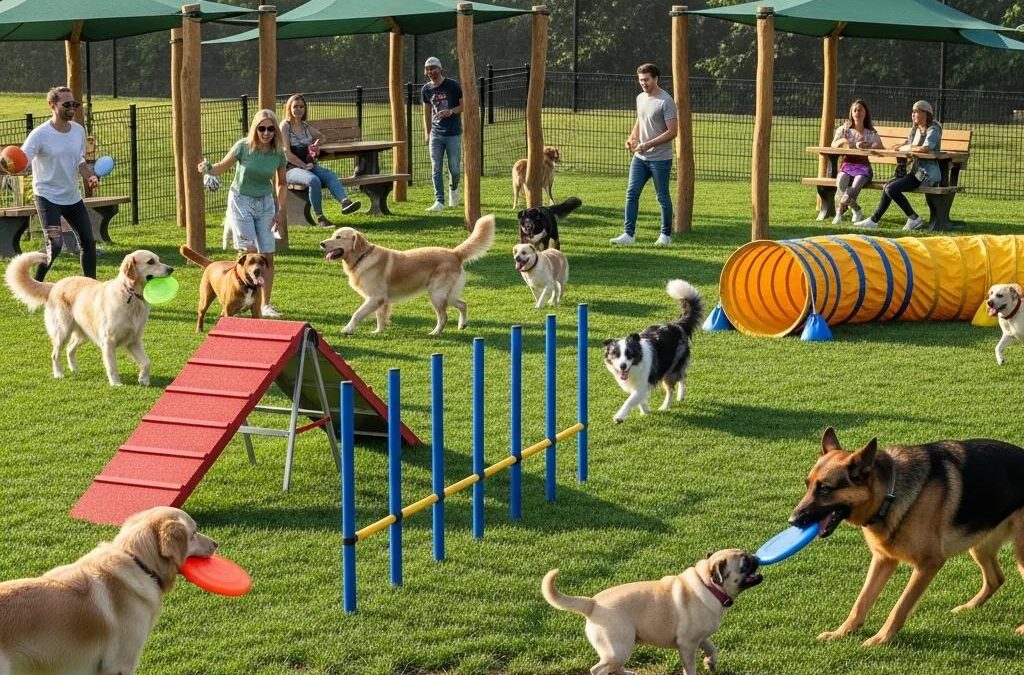
Creating Engaging & Safe Dog Park Designs: Expert Ideas and Planning for Community Spaces

Designing a dog park that is both engaging and safe is essential for fostering community interaction and ensuring the well-being of pets. This article will explore the key features, amenities, and best practices for creating dog parks that cater to the needs of both dogs and their owners. With the increasing popularity of pet recreation, understanding how to design these spaces effectively can enhance community satisfaction and promote responsible pet ownership.

In this guide, we will cover the essential features of a safe dog park, the amenities that promote engagement, planning considerations for commercial dog parks, best practices for inclusive design, and the importance of ongoing maintenance. By the end of this article, you will have a comprehensive understanding of how to create a vibrant and safe dog park that meets the needs of your community.

Further research emphasizes the multifaceted approach required for successful dog park development, encompassing both strategic planning and detailed design elements.

Comprehensive Dog Park Design & Planning Criteria

The increase in the rate of dog ownership and the need for parks has led to an increase in the demand for dog parks and an increase in the countries where dog parks already exist. Dog parks are areas that serve to meet the social and behavioural needs of dogs beyond the private areas of the home, as well as providing opportunities for dogs to establish healthy communication with their owners and other dogs. The aim of this study is to determine how a successful dog park design criteria should be. For this purpose, dog parks were examined under the headings of planning (accessibility, location, car parking and roads, other facilities) and design (entrances and exits, gates, boundaries, surface materials, activity areas, park furniture, planting).

An Investigation Of The Design Criteria Of Dog Parks, GFY Caymaz, 2023

What Are the Essential Features of a Safe Dog Park?

Creating a safe dog park involves several critical features that ensure the well-being of dogs and their owners. Key elements include secure fencing, double-gated entries, and appropriate surfacing materials. These features not only enhance safety but also contribute to a positive experience for all users.

How Do Fencing and Double-Gated Entries Enhance Dog Park Safety?

Fencing is a fundamental aspect of dog park design, providing a secure environment for dogs to play freely. Effective fencing materials include chain link, wood, and vinyl, each offering different levels of visibility and durability. Double-gated entries further enhance safety by preventing dogs from escaping when entering or exiting the park. This system allows for controlled access, reducing the risk of accidents and ensuring that dogs remain secure while their owners manage entry and exit.

Which Surfacing Materials Provide Safe and Durable Dog Park Grounds?

The choice of surfacing materials is crucial for dog park safety and durability. Common options include natural grass, artificial turf, and pea gravel. Each material has its pros and cons. For instance, while natural grass provides a soft surface, it may require more maintenance and can become muddy. In contrast, artificial turf offers a consistent surface that is easy to clean and maintain, making it a popular choice for many dog parks. Additionally, proper drainage is essential to prevent water accumulation and ensure a safe environment for play.

Shade and Play Pros specializes in designing and installing safe, vibrant outdoor spaces, including custom dog parks. Their expertise in selecting appropriate surfacing materials and fencing options ensures that community leaders and municipalities can create engaging environments that foster interaction and well-being.

What Dog Park Amenities Promote Engagement and Enjoyment?
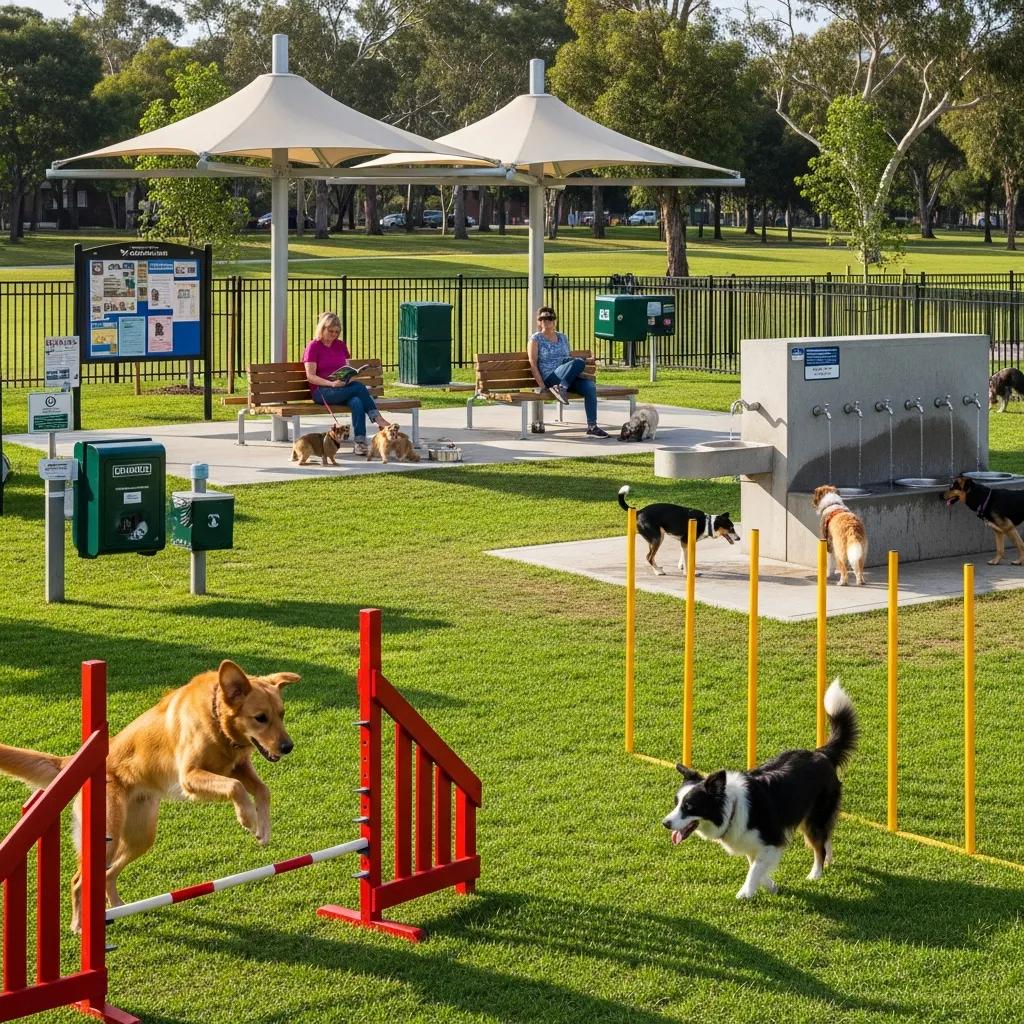
To enhance the user experience in dog parks, various amenities can be incorporated. These include agility equipment, shade structures, and water stations. Each of these features plays a vital role in promoting physical activity and comfort for dogs and their owners.

How Does Agility Equipment Benefit Dogs’ Physical and Mental Health?

Agility equipment, such as tunnels, jumps, and weave poles, provides dogs with opportunities for physical exercise and mental stimulation. Engaging in agility activities helps improve a dog’s coordination, strength, and overall fitness. Moreover, these activities can strengthen the bond between dogs and their owners, as they work together to navigate the course. Incorporating agility equipment into dog parks encourages active play and can lead to healthier, happier pets.

Why Are Shade Structures and Water Stations Vital for Dog Comfort?

Shade structures are essential in dog parks, especially in warmer climates, as they provide relief from the sun and help prevent overheating. Water stations are equally important, ensuring that dogs stay hydrated during play. Research indicates that dogs can suffer from heat-related illnesses, making these amenities crucial for their comfort and safety. By providing shaded areas and accessible water, dog parks can create a more enjoyable environment for both pets and their owners.

Shade and Play Pros has extensive experience in creating engaging dog parks with the right amenities. Their past projects highlight the importance of incorporating agility equipment and comfort features to enhance the overall user experience.

How to Plan and Design Commercial Dog Parks for Communities?

Planning and designing commercial dog parks requires careful consideration of various factors, including space, layout, and community involvement. Engaging local stakeholders in the planning process can lead to more successful and well-received dog parks.

What Are Key Considerations for HOA and Municipal Dog Park Development?

When developing dog parks for homeowners’ associations (HOAs) and municipalities, it is essential to consider the specific needs of the community. Engaging with local residents can provide valuable insights into desired features and amenities. Additionally, understanding regulatory requirements and potential funding sources can facilitate the development process. Successful case studies often highlight the importance of community involvement in creating dog parks that meet the needs of all users.

How Does Local Expertise in Charlotte and Charleston Enhance Dog Park Projects?

Local expertise plays a significant role in the successful design and implementation of dog parks. Professionals familiar with the regulations and community preferences in Charlotte and Charleston can tailor designs to meet specific needs. Testimonials from local clients often emphasize the value of working with experienced designers who understand the unique challenges and opportunities in these areas. This local knowledge ensures that dog parks are not only functional but also resonate with the community.

What Are Best Practices for Inclusive and ADA-Compliant Dog Park Design?

Creating inclusive and accessible dog parks is essential for ensuring that all community members can enjoy these spaces. Best practices include adhering to ADA standards and designing separate zones for different dog sizes and needs.

How to Create Separate Zones for Different Dog Sizes and Needs?

Designing separate zones for small and large dogs can enhance safety and enjoyment for all users. These zones allow dogs to play with others of similar size and energy levels, reducing the risk of accidents. Clear signage and appropriate fencing can help delineate these areas, ensuring that owners can easily identify where their dogs can safely play.

Which ADA Standards Apply to Dog Park Accessibility?

ADA compliance is crucial for ensuring that dog parks are accessible to individuals with disabilities. Key standards include providing accessible pathways, seating areas, and water stations. Additionally, ensuring that all park features are within reach for individuals using mobility devices is essential. By adhering to these standards, dog parks can become welcoming spaces for everyone in the community.

How Does Ongoing Maintenance Support Dog Park Longevity and Safety?
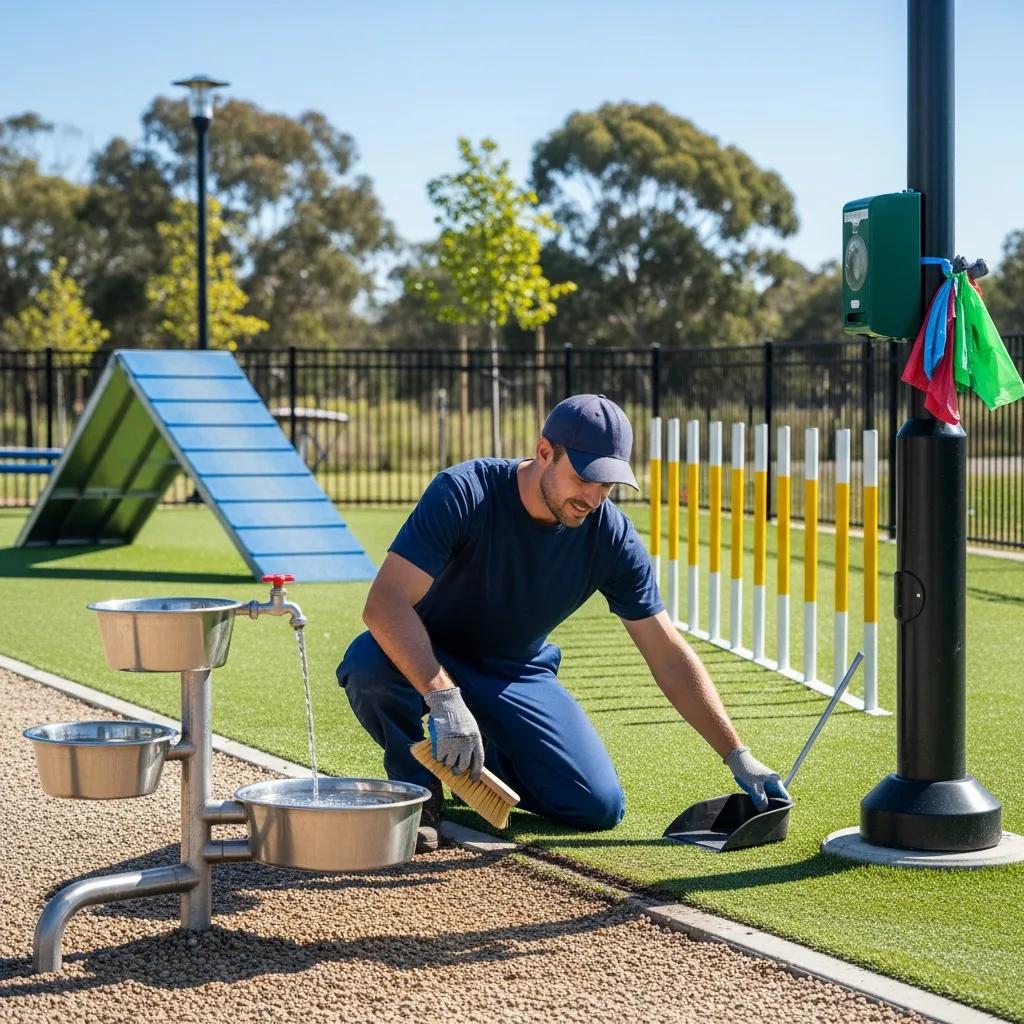
Regular maintenance is vital for the longevity and safety of dog parks. This includes routine inspections, cleaning, and repairs to ensure that all features remain in good condition.

What Maintenance Services Ensure Durable Surfacing and Equipment?

Maintenance services should focus on the upkeep of surfacing materials and equipment. Regular inspections can identify wear and tear, allowing for timely repairs or replacements. Additionally, cleaning surfaces and equipment helps maintain a safe and hygienic environment for dogs and their owners. Engaging professional maintenance services can ensure that dog parks remain safe and enjoyable for all users.

How Does Regular Upkeep Enhance Community Satisfaction and Safety?

Regular maintenance not only ensures the safety of dog parks but also enhances community satisfaction. Well-maintained parks are more inviting and encourage greater use, fostering a sense of community among dog owners. Feedback from park users often highlights the importance of cleanliness and safety in their overall experience, making ongoing maintenance a critical aspect of dog park management.

In conclusion, creating engaging and safe dog parks requires careful planning and consideration of various features and amenities. By focusing on safety, inclusivity, and ongoing maintenance, communities can develop dog parks that enhance the quality of life for both pets and their owners. Shade and Play Pros is dedicated to helping communities design and install vibrant outdoor spaces that foster interaction and well-being.

FeatureDescriptionBenefit
FencingSecure barriers to contain dogsPrevents escapes and accidents
Agility EquipmentStructures for physical activityEnhances fitness and mental stimulation
Shade StructuresAreas to protect from sunPrevents overheating and provides comfort

Dog parks can significantly enhance community interaction and well-being when designed with care and attention to detail. By incorporating essential features, engaging amenities, and ongoing maintenance, communities can create vibrant spaces that cater to the needs of both dogs and their owners.