Essential Safety Standards for Playground Shade Structures
What Are the Key CPSC Playground Safety Guidelines for Shade Structures?
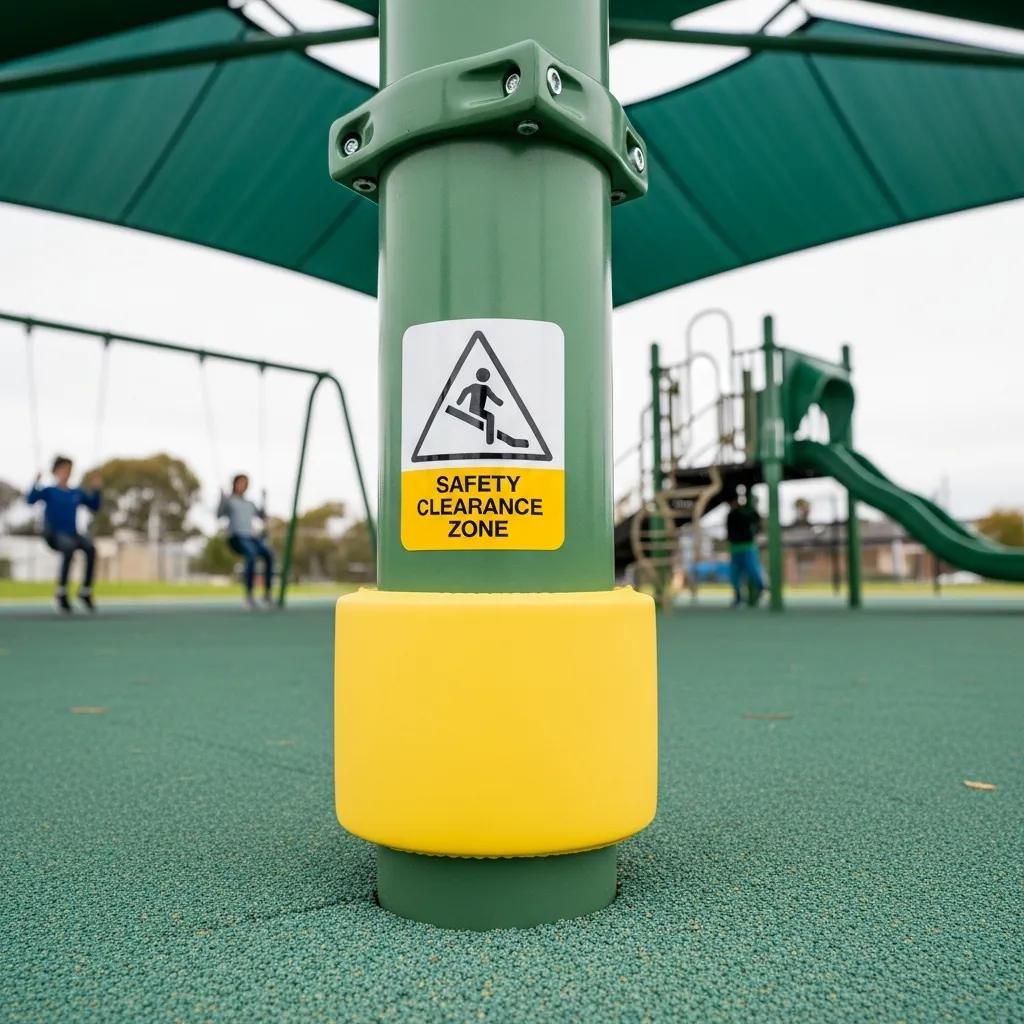
- Ensure use zones under and adjacent to shade structures maintain the same protective surfacing requirements as play equipment.
- Maintain overhead clearances sufficient to prevent head and entrapment hazards where children climb or reach.
- Avoid protrusions and entanglement hazards on support columns and anchorage hardware through rounded edges and guarded fasteners.
- Document inspection schedules and surfacing maintenance to preserve impact attenuation performance over time.
How Do CPSC Guidelines Address Shade Structure Clearance and Safety?
What Are Common Playground Hazards and How Does Shade Structure Design Mitigate Them?
Which ASTM Standards Govern Playground Equipment and Safety Surfacing?
| Standard | Scope | When It Applies |
|---|---|---|
| ASTM F1487 | Equipment safety: entrapment, protrusions, spacing, use zones | Use for selecting and evaluating play equipment and associated structural elements |
| ASTM F1292 | Impact attenuation testing and critical fall height determination | Use to verify surfacing meets attenuation for the highest fall height present |
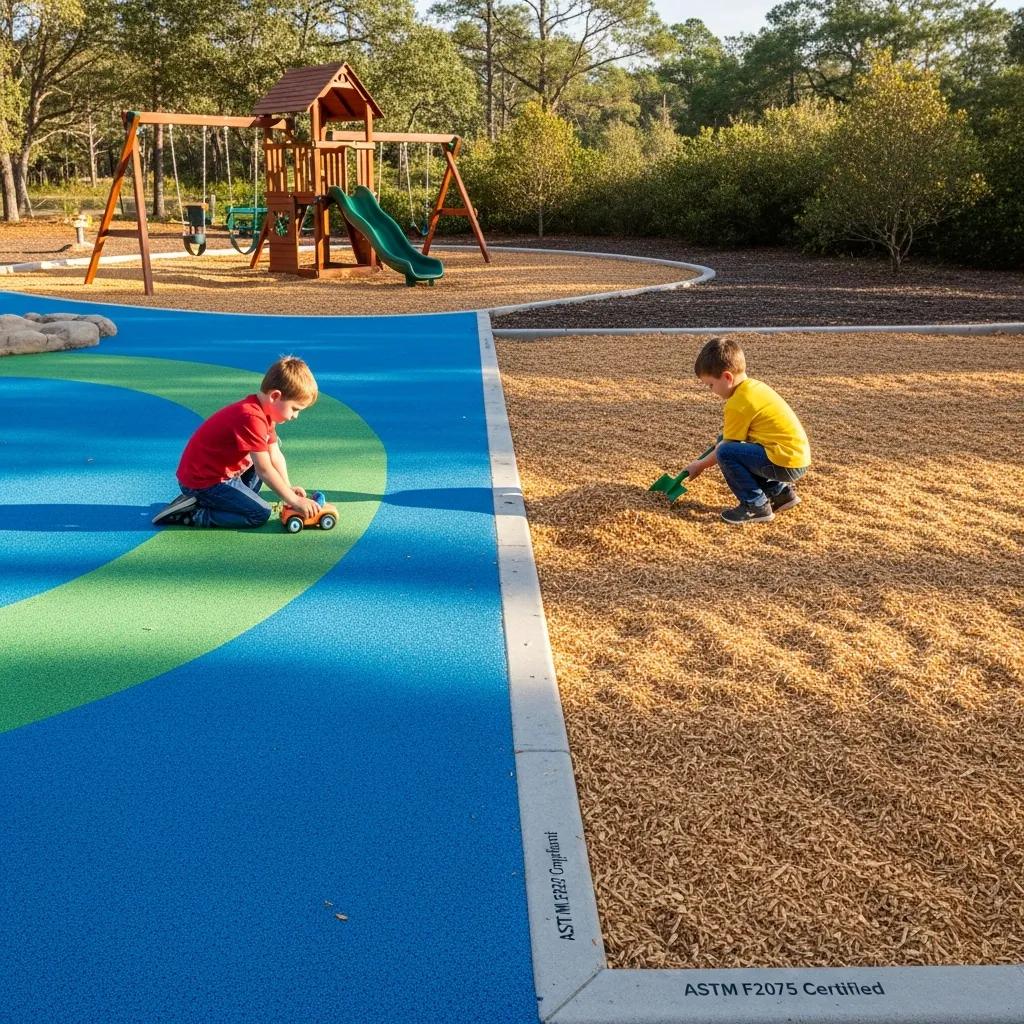
| ASTM F2075 | Specifications for engineered wood fiber (installation and testing) | Use when specifying loose-fill surfacing like EWF and defining maintenance regimes |
| ASTM F3012 | Performance requirements for poured-in-place surfacing systems | Use when specifying and verifying PIP rubber surfacing systems |
What Are the Requirements of ASTM F1487 for Playground Equipment?
How Does ASTM F1292 Define Safety Surfacing Impact Attenuation?
How Do Local Building Codes and Permitting Processes Affect Playground Shade Structures in Charlotte, NC and Charleston, SC?
- Prepare a site plan showing shade location relative to play equipment, property lines, and utilities.
- Submit engineered structural drawings with site-specific wind-load calculations and footing details.
- Include surfacing specifications and ASTM test reports demonstrating required impact attenuation.
- Provide a maintenance and inspection plan addressing surfacing depth retention and fabric replacement.
- Complete any zoning or historic overlay reviews required by municipal planning departments.
| Permit Item | Required Document / Responsible Party | Notes / Examples |
|---|---|---|
| Site Plan | Scaled plan showing equipment, shade, setbacks / Designer or landscape architect | Shows location relative to property and utilities |
| Structural Drawings | Engineered plans and calculations / Licensed structural engineer | Includes wind-load and anchorage details for permitting |
| Surfacing Data | Manufacturer F1292 reports and depth specifications / Specifier or installer | Demonstrates attenuation under shade and equipment |
| Inspection Schedule | Maintenance and inspection plan / Owner or maintenance contractor | Required by some jurisdictions to demonstrate ongoing compliance |
What Are the Permit Requirements for Playground Shade Structures in Charlotte, NC?
How Do Charleston, SC Local Codes Influence Shade Structure Compliance?
What Are the Essential Playground Safety Surfacing Requirements for Compliance?
| Surfacing Material | Critical Fall Height Capability | Maintenance Notes | Typical Installed Depth |
|---|---|---|---|
| Engineered Wood Fiber (EWF) | Moderate CFH (varies with depth/compaction) | Requires frequent raking and topping to maintain depth | 6–12 inches depending on CFH |
| Poured-in-Place (PIP) Rubber | High CFH with stable performance | Low maintenance; occasional surface cleaning and seam repair | 1.5–4 inches (with base) |
| Rubber Mulch | Moderate to high CFH; variable | Periodic replenishment to maintain depth; can migrate | 6–12 inches depending on CFH |
- Engineered Wood Fiber: cost-effective and permeable but needs frequent maintenance to preserve CFH.
- Poured-in-Place Rubber: delivers consistent attenuation and ADA accessibility but has higher upfront cost.
- Rubber Mulch: offers good attenuation and drainage but requires containment strategies to prevent migration.
Which Safety Surfacing Materials Meet ASTM Standards?
How Does Critical Fall Height Determine Surfacing Depth and Material Choice?
How Can Commercial Shade Structures Ensure Compliance with Safety and Accessibility Standards?
- Verify site-specific wind loads and include engineered connections and foundation details in drawings.
- Ensure anchorage hardware and footings do not intrude into protective use zones or create trip hazards.
- Maintain ADA-compliant routes and surfaces beneath and adjacent to the shade, including ramps and turning spaces.
- Provide manufacturer installation certificates and F1292 reports for surfacing systems where applicable.