North Carolina Playground Equipment Options: From Budget to Premium

North Carolina’s outdoor recreation economy generated $16.2 billion in 2023, underscoring community demand for quality play spaces that fit every budget. This guide maps the full spectrum of North Carolina playground equipment options—from cost-effective HOA sets to premium municipal systems—so decision-makers can match age groups, safety standards, installation processes and funding strategies with the right products. You will discover:

  • Types of commercial playground equipment and how structures, freestanding elements and shade features enrich outdoor spaces
  • Budget-tiered solutions for small community groups, HOAs and large municipal parks
  • Mandatory safety certifications (ASTM, CPSC, IPEMA) plus ADA and surfacing requirements
  • Step-by-step design and installation workflows with professional project management
  • Client-specific recommendations for schools, municipalities, HOAs and commercial properties
  • Funding avenues, grant programs and maintenance best practices to protect your investment

shadeandplaypros.com leverages local expertise and turnkey installation services to help North Carolina clients navigate each of these areas with confidence.

What Types of Commercial Playground Equipment Are Available in North Carolina?
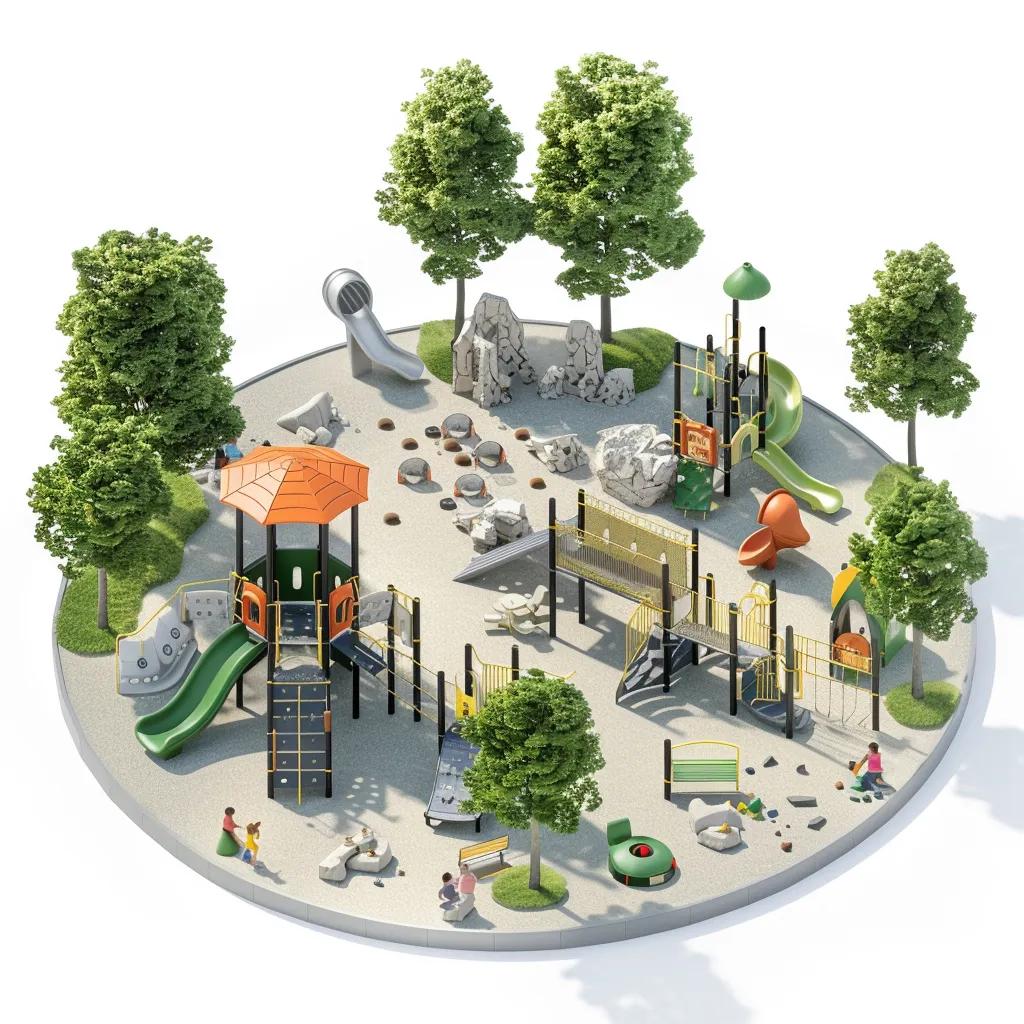
Playground design featuring various structures, slides, climbing elements, and natural landscaping, suitable for enhancing outdoor recreation spaces in North Carolina.

Commercial playground equipment in North Carolina encompasses complete play structures, standalone components and site amenities designed to improve safety, accessibility and engagement for all budgets. Manufacturers supply modular systems, freestanding elements and shade structures that comply with ASTM, CPSC and ADA standards while offering customizable color, material and theme options.

Which Play Structures Best Suit Different Age Groups and Budgets?

Play structures vary by age-appropriateness, size and cost. The following table outlines common options for North Carolina clients seeking equipment classified by age group, budget tier and feature highlights.

Structure TypeAge GroupBudget TierKey Feature
Junior Climber2–5 years$8,000–$15,000Low platforms, molded steps
Multi-Activity Unit5–12 years$18,000–$34,000Slides, climbers, tunnels
Inclusive Adventure Pod2–12 years$25,000–$45,000ADA ramps, sensory panels
Tower & Bridge System5–12 years$40,000–$75,000Elevated decks, shade canopies

Each age-appropriate structure supports developmental play, and tiered pricing ensures municipalities and HOAs find options that fit capital budgets and maintenance plans.

What Freestanding Play Elements and Accessories Enhance Outdoor Spaces?

Freestanding elements enhance larger play systems or function independently to diversify activity zones. Key accessories include:

  • Climbing nets and panels that improve coordination and upper-body strength
  • Balance beams and stepping stones that support motor skills and agility
  • Spring riders and spinning bowls that promote vestibular stimulation

These components can be mixed and matched to create modular layouts, offering flexibility for phased installations and budget staging.

How Do Shade Structures and Site Amenities Improve Playground Usability?

Shade structures and amenities protect children from sun exposure and extend usable hours. The table below compares common shade and site features by attribute and benefit.

AmenityAttributeValue/Benefit
Shade CanopyUV-resistant fabricReduces ambient temperature by 20°F
Metal Shade SailPowder-coated steelDurable, low-maintenance, customizable
Picnic PavilionComposite roofingAll-season use, encourages family stays
Site Bench & Trash ReceptacleRecycled HDPEEco-friendly, vandal-resistant

Site amenities not only enhance comfort but also signal community investment, supporting inclusive play and longer supervision periods.

How Can North Carolina Clients Find Playground Equipment That Fits Their Budget?

Identifying the right equipment budget requires balancing upfront costs, lifecycle maintenance and community impact. A clear process involves defining project scope, reviewing cost breakdowns and leveraging local supplier expertise to optimize value.

What Are Affordable Playground Solutions for Small HOAs and Community Groups?

HOAs and community groups often seek turnkey packages under $20,000. Recommended approaches include:

  1. Selecting single-tower play structures with integrated slides and minimal steel components
  2. Incorporating rubber mulch surfacing to reduce installation costs
  3. Phasing purchases of accessories (e.g., balance beams) for budget-friendly expansion over time

These strategies improve accessibility while preserving capital for landscaping and seating.

Which Premium Playground Systems Are Ideal for Large Municipal Parks?

Municipal parks with larger footprints and higher budgets ($50,000–$200,000+) benefit from full-scale systems that include:

  • Multi-level play complexes with shade canopies and inclusive ramps
  • Engineered wood fiber or poured-in-place surfacing for ADA compliance
  • Custom theming (e.g., local landmarks, educational panels) to enhance civic identity

Investing in premium systems boosts community engagement and demonstrates commitment to quality recreation.

How Does Material Choice Affect Playground Cost and Durability?

Material selection directly influences pricing and long-term maintenance requirements. The table below outlines common materials, cost impact and durability ratings.

MaterialCost ImpactDurability Rating
Galvanized SteelModerateExcellent
Powder-Coated AluminumHigherVery Good
Recycled HDPE PlasticLowerGood
Engineered Wood FiberLowFair

Durable metals minimize repainting, while recycled plastics resist moisture and UV damage. Material choice should align with weather exposure and lifecycle budgets.

What Safety Standards and Certifications Must North Carolina Playgrounds Meet?
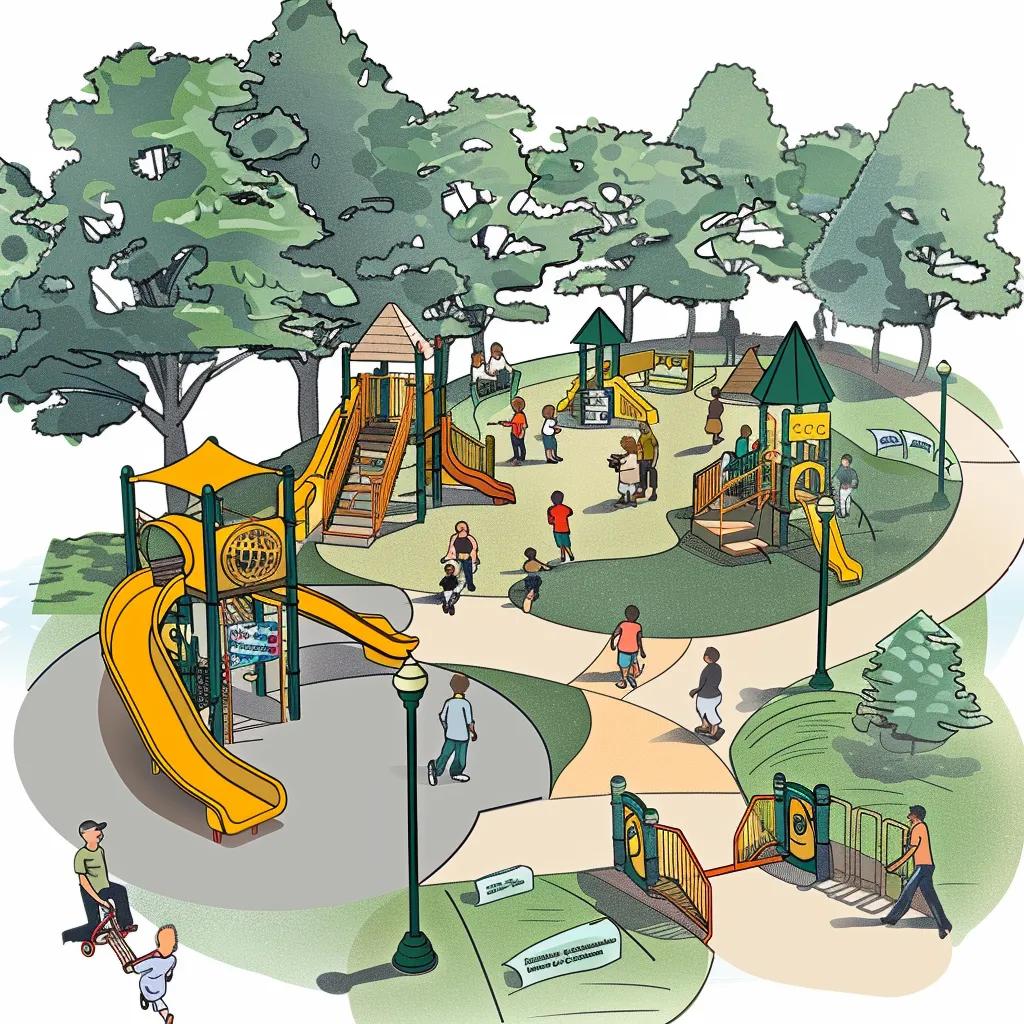
Playground design featuring children playing on slides and climbing structures, surrounded by trees and pathways, illustrating community engagement and recreational quality.

Compliance with recognized safety standards protects children and municipalities from liability. North Carolina playgrounds must adhere to ASTM, CPSC, IPEMA and ADA guidelines to ensure structural integrity, fall protection and accessibility.

Playground Safety Standards

Playground equipment in North Carolina must adhere to specific safety standards to ensure the well-being of children. These standards, including those from ASTM, CPSC, IPEMA, and ADA, cover various aspects of playground design, construction, and maintenance, aiming to minimize the risk of injuries and ensure accessibility for all children.

This standard provides a framework for the design and construction of safe and accessible playgrounds, directly supporting the article’s emphasis on safety certifications.

How Do ASTM, CPSC, and IPEMA Certifications Ensure Playground Safety?

Key certifications establish design, testing and labeling protocols:

  • ASTM F1487 sets performance requirements for public play equipment
  • CPSC Handbook provides guidelines on surfacing, layout and maintenance
  • IPEMA certification verifies independent testing for structural and surfacing products

These standards minimize accident risk and support long-term equipment reliability.

What Are the ADA Requirements for Inclusive Playground Design in North Carolina?

ADA guidelines mandate:

  • Accessible routes to and within the play area (36-inch clear pathways)
  • Transfer platforms on play structures for wheelchair users
  • Inclusive components such as sensory panels and ground-level activities

Meeting ADA requirements promotes equitable play and strengthens grant-funding applications.

How Does Safety Surfacing Impact Playground Compliance and Child Protection?

Safety surfacing absorbs impact and reduces injury severity. Common options include:

  • Poured-in-place rubber for seamless, ADA-compliant continuity
  • Engineered wood fiber that meets fall height requirements at lower cost
  • Rubber tiles offering modular maintenance and rapid replacement

Proper surfacing installation is essential to align with fall-height ratings and insurance mandates.

How Does the Playground Design and Installation Process Work in North Carolina?

A structured design–build process ensures that projects stay on schedule, comply with regulations and match community expectations. Clients collaborate with suppliers from concept to completion, leveraging expert site assessments and customizable design tools.

What Happens During Initial Consultation and Site Assessment?

During the first phase, specialists:

  1. Review project goals, budget and timeline with stakeholders
  2. Conduct soil tests, drainage surveys and ADA-route planning
  3. Document site dimensions, existing vegetation and community access points

This groundwork guides accurate budgeting and equipment selection.

How Are Custom Playground Designs Tailored to Client Needs and Budgets?

Design teams use 3D rendering software to:

  • Map user flow, age-segmented zones and shade coverage
  • Incorporate branding, school colors or local motifs
  • Adjust component mix based on cost targets and phasing plans

Clients visualize final layouts and confirm product selections before fabrication.

What Are the Benefits of Professional Installation and Project Management?

Professional installation services improve outcomes by:

  • Ensuring compliance with structural anchoring, surfacing slopes and ASTM tolerances
  • Coordinating subcontractors for surfacing, fencing and landscaping
  • Providing warranty coverage, inspection certificates and post-installation training

This turnkey approach saves client time and mitigates risk from improper assembly.

Which North Carolina Client Types Benefit Most from Tailored Playground Equipment Solutions?

Different client segments require targeted play solutions that reflect user demographics, site constraints and funding sources. Tailored packages enhance safety, longevity and community satisfaction.

What Playground Options Are Best for Schools and Daycares in NC?

Educational institutions focus on:

  • Age-segmented clusters (toddler areas vs. elementary zones)
  • Educational panels, literacy boards and musical features
  • Easy-clean surfaces and vandal-resistant materials

These designs support curriculum goals and safe recess environments.

How Do Municipalities and Parks Choose Equipment for Public Spaces?

Public agencies prioritize:

  • Large-capacity systems with multiple activity cores
  • Durable metal components and powder-coated finishes
  • Inclusive pathways and seating to accommodate all visitors

Selecting ADA-compliant surfacing and shade structures boosts community usage year-round.

What Are the Advantages of Community Playgrounds for HOAs and Commercial Properties?

HOAs and commercial owners benefit from:

  • Phased installations that align with budget cycles
  • Attractive themes that reinforce neighborhood branding
  • Low-maintenance accessories and surfacing that reduce HOA dues

These strategies foster neighborhood cohesion and increase property appeal.

How Can North Carolina Organizations Secure Funding and Grants for Playground Projects?

Securing funds often requires understanding public grants, private financing options and strategic budgeting to maximize ROI. Proper planning and grant writing can offset equipment costs and accelerate project timelines.

What Grant Opportunities Exist for Schools and Municipalities in North Carolina?

Key funding programs include:

  • North Carolina Parks and Recreation Trust Fund (PARTF) grants
  • USDA Community Facilities Direct Loan and Grant Program
  • Local county and municipal recreation grants

Funding for Playground Projects

Securing funding is a crucial step in playground projects, with various grant opportunities available for schools and municipalities in North Carolina. These funding programs, such as the North Carolina Parks and Recreation Trust Fund (PARTF) grants, can help offset the costs of equipment and accelerate project timelines, making playground development more accessible.

This source provides information on a specific funding opportunity mentioned in the article, supporting the discussion on how to finance playground projects.

How Can HOAs and Community Groups Access Affordable Financing Options?

Community groups may leverage:

  1. Low-interest equipment financing through local suppliers
  2. Crowdfunding campaigns highlighting inclusive play benefits
  3. Partnerships with corporate sponsors or civic organizations

These methods spread costs over multiple years without large upfront capital.

What Strategies Help Maximize Playground Investment Within Budget Constraints?

Cost-optimization tactics involve:

  • Phased component purchases to match fiscal calendars
  • Selecting multi-function elements that serve diverse age groups
  • Negotiating bundled pricing on equipment, surfacing and installation

Strategic bundling and phased growth ensure communities see immediate benefits.

What Are Best Practices for Maintaining and Extending the Life of North Carolina Playgrounds?

Long-term performance depends on scheduled inspections, preventative care and clear service agreements. Maintenance practices protect safety, preserve warranties and extend asset value.

How Often Should Commercial Playgrounds Be Inspected and Maintained?

Recommended schedules:

  • Monthly visual inspections of wear points, hardware and surfacing
  • Annual comprehensive audits by Certified Playground Safety Inspectors (CPSI)
  • Post-storm assessments to identify erosion or debris hazards

Routine upkeep ensures compliance and avoids costly repairs.

Durability practices include:

  • Power-washing HDPE panels and steel framing to remove grime
  • Sealing wooden components annually with weatherproof coatings
  • Replacing worn surfacing tiles or replenishing engineered wood fiber

Proactive care prevents premature deterioration and maintains appearance.

How Do Warranty and Service Agreements Protect Playground Investments?

Comprehensive agreements deliver:

  • Manufacturer warranties on structural components and surfacing materials
  • Guaranteed response times for replacement parts and repairs
  • Annual service contracts that include inspection reports and maintenance logs

These safeguards minimize downtime and protect community safety.

North Carolina organizations at every budget level can access tailored playground equipment, expert design and professional installation to create engaging, safe and compliant play environments. By understanding product types, certification requirements, funding strategies and maintenance best practices, decision-makers ensure long-lasting value and community satisfaction. Explore shadeandplaypros.com to request a personalized consultation and discover the ideal playground solution for your North Carolina site.