Designing Effective Outdoor Fitness Parks: Comprehensive Guide to Planning, Equipment, and Community Benefits

Outdoor fitness parks are innovative spaces designed to promote physical activity and community engagement. These parks provide a unique opportunity for individuals of all ages to exercise in a natural environment, fostering both physical and mental well-being. In this comprehensive guide, we will explore the essential elements of designing effective outdoor fitness parks, including the benefits they offer to communities, the selection of appropriate equipment, best practices for layout and planning, safety considerations, funding opportunities, and successful case studies. By understanding these components, communities can create vibrant spaces that encourage healthy lifestyles and social interaction.

The importance of outdoor fitness parks cannot be overstated, as they address the growing need for accessible exercise options in urban areas. This article will delve into the key benefits of outdoor fitness parks, how to select the right equipment, best practices for layout and site planning, safety and maintenance strategies, funding opportunities, and successful case studies from Shade and Play Pros.

What Are the Key Benefits of Outdoor Fitness Parks for Communities?

Outdoor fitness parks offer numerous advantages that contribute to the overall health and well-being of communities. These parks not only provide a space for physical activity but also foster social interaction and community engagement.

How Do Outdoor Fitness Parks Improve Physical and Mental Health?

Research indicates that outdoor fitness parks significantly enhance physical health by providing accessible exercise options. Regular physical activity is linked to reduced risks of chronic diseases, improved cardiovascular health, and enhanced overall fitness levels. Additionally, outdoor exercise has been shown to improve mental health by reducing stress, anxiety, and depression. Studies suggest that exercising in natural environments can lead to greater psychological benefits compared to indoor workouts, making outdoor fitness parks a valuable resource for community health.

A study further supports the positive impact of outdoor fitness zones on community physical activity levels.

Impact of Fitness Zones on Community Physical Activity

Increases in physical activity can lead to decreases in the prevalence of chronic diseases. Parks provide an ideal setting for physical activity. We investigated the effect of a fitness equipment installation on the intensity of park users’ physical activity at a community park. We used the System for Observing Play and Recreation in a Community to record physical activity in Eastgate Park in Garden Grove, California, in August 2015 (preintervention [n = 1,650 person-periods]) and in February 2016 (postintervention [n = 1,776 person-periods]).

Changes in physical activity after installation of a fitness zone in a community park, M Sami, 2018

In What Ways Do Outdoor Fitness Parks Foster Community Engagement?

Outdoor fitness parks serve as community hubs where individuals can gather, socialize, and participate in organized events. These parks often host fitness classes, community challenges, and social gatherings, which encourage interaction among residents. By providing a space for shared activities, outdoor fitness parks help build a sense of community and belonging, ultimately enhancing social cohesion.

Shade and Play Pros specializes in designing and installing outdoor fitness parks that cater to the unique needs of communities. Their projects focus on creating vibrant spaces that promote health and well-being, ensuring that families can come together and thrive in a safe environment.

How to Select the Right Equipment for Outdoor Fitness Parks?

Choosing the appropriate equipment for outdoor fitness parks is crucial to ensure that the facilities meet the diverse needs of users. The right selection can enhance the effectiveness of the park and encourage more people to engage in physical activity.

What Types of Outdoor Gym Equipment Support Cardio, Strength, and Flexibility?
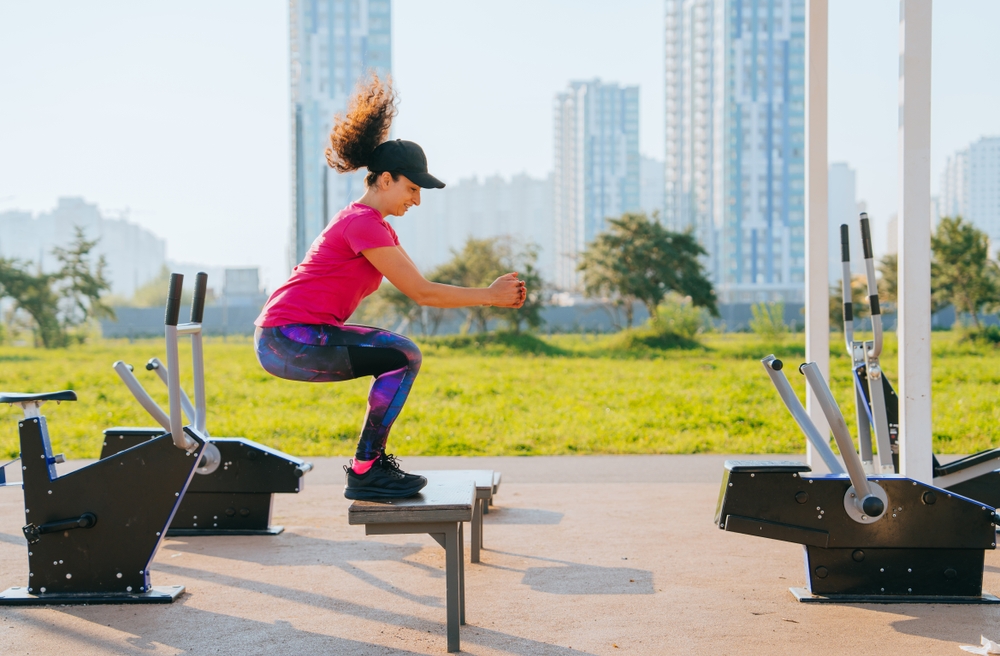
Woman exercising on outdoor fitness equipment, performing a squat jump on a platform, surrounded by various gym apparatus in a community fitness park, promoting health and physical activity.

Outdoor fitness parks should include a variety of equipment that supports different types of exercise, including cardio, strength training, and flexibility. Common options include:

  1. Cardio Equipment: Items such as stationary bikes and elliptical machines provide excellent cardiovascular workouts. Treadmills are rarely used in outdoor fitness parks due to power requirements and maintenance challenges.
  2. Strength Training Equipment: Resistance machines, pull-up bars, and bodyweight stations allow users to build muscle and improve strength.
  3. Flexibility Stations: Stretching areas and balance beams promote flexibility and core stability.

By incorporating a diverse range of equipment, outdoor fitness parks can cater to users of all fitness levels and preferences.

How to Choose Inclusive and ADA-Compliant Fitness Stations?

When selecting equipment for outdoor fitness parks, it is essential to prioritize inclusivity and accessibility. ADA-compliant fitness stations ensure that individuals with disabilities can participate in physical activities. Key considerations include:

  • Accessible Design: Equipment should be designed for easy access and use by individuals with varying abilities.
  • Variety of Options: Offering multiple types of equipment allows users to choose activities that suit their needs and preferences.
  • Safety Features: Equipment should include safety features such as non-slip surfaces and proper spacing to prevent accidents.

Shade and Play Pros emphasizes the importance of inclusive design in their projects, ensuring that all community members can enjoy the benefits of outdoor fitness parks.

Planning Outdoor Fitness Parks: Layout, Equipment & Community Benefits

Effective layout and site planning are critical to the success of outdoor fitness parks. A well-designed park maximizes usability, safety, and accessibility for all users.

How to Design User Flow and Zoning for Safety and Accessibility?

Creating a logical user flow within the park is essential for safety and accessibility. Key strategies include:

  • Zoning: Designate specific areas for different types of activities, such as cardio, strength training, and relaxation zones.
  • Clear Pathways: Ensure that pathways are wide enough to accommodate foot traffic and are free of obstacles.
  • Signage: Use clear signage to guide users and indicate the location of various equipment and facilities.

By implementing these strategies, outdoor fitness parks can provide a safe and enjoyable experience for all visitors.

What Are Effective Safety Zones and Surfacing Options?

Safety is a top priority in outdoor fitness park design. Effective safety zones and surfacing options help prevent injuries and ensure a secure environment. Considerations include:

  • Safety Zones: Designate areas around equipment where users can safely exercise without risk of injury from nearby activities.
  • Surfacing Options: Use impact-absorbing materials such as rubber mulch, poured-in-place rubber, or artificial turf to minimize injury risks from falls.

These safety measures are essential for creating a secure environment that encourages community members to engage in physical activity.

How to Ensure Safety and Maintenance of Outdoor Fitness Parks?

Maintaining safety and functionality in outdoor fitness parks requires regular inspections and maintenance practices.

What Are ADA Compliance Standards for Outdoor Fitness Equipment?

ADA compliance standards are crucial for ensuring that outdoor fitness equipment is accessible to individuals with disabilities. Key standards include:

  • Accessible Routes: Pathways leading to equipment must be wide enough for wheelchair access.
  • Equipment Height: Equipment should be designed for easy access from a seated position.
  • Clear Space: Sufficient space must be provided around equipment to allow for safe use.

Regular audits and updates to equipment can help maintain compliance and ensure that all community members can enjoy the park.

Despite the importance of these standards, achieving full ADA compliance in fitness facilities can present significant challenges.

ADA Compliance in Fitness Facilities: Accessibility Challenges

Purpose:The study expands the research on fitness facility accessibility by determining how compliant fitness facilities in rural western Wisconsin were with Title III of the Americans with Disabilities Act (ADA). Results:None of the participating facilities were in 100% compliance with ADA. Customer service desk (84%) and path of travel throughout the facility (72%) were the highest compliance areas. Telephone (6%) and lo

ADA compliance and accessibility of fitness facilities in Western Wisconsin, 2012

How to Implement Regular Inspections and Equipment Repairs?

Establishing a routine for inspections and repairs is vital for maintaining the safety and functionality of outdoor fitness parks. Recommended practices include:

  • Scheduled Inspections: Conduct regular inspections to identify wear and tear on equipment and surfaces.
  • Prompt Repairs: Address any issues immediately to prevent accidents and ensure user safety.
  • User Feedback: Encourage park users to report any concerns or suggestions for improvements.

By prioritizing maintenance, communities can ensure that their outdoor fitness parks remain safe and enjoyable for all users.

What Funding and Grant Opportunities Support Outdoor Fitness Park Projects?

Securing funding for outdoor fitness park projects can be challenging, but various grant opportunities are available to support these initiatives.

How to Budget and Plan ROI for Outdoor Fitness Park Investments?

When planning an outdoor fitness park, it is essential to create a budget that outlines all costs associated with the project. Key considerations include:

  • Initial Costs: Estimate expenses for equipment, installation, and site preparation.
  • Ongoing Maintenance: Factor in costs for regular maintenance and repairs.
  • Return on Investment (ROI): Consider the potential benefits of increased community health and engagement when evaluating the project's value.

A well-planned budget can help secure funding and ensure the project’s long-term success.

Which Grants Are Available for Community Fitness Park Development?

Numerous grants are available to support the development of community fitness parks. Some potential sources include:

  1. Local Government Grants: Many municipalities offer funding for community health initiatives.
  2. Nonprofit Organizations: Various nonprofits provide grants for projects that promote physical activity and wellness.
  3. Corporate Sponsorships: Local businesses may be willing to sponsor fitness park projects in exchange for advertising opportunities.

Researching and applying for these grants can provide essential financial support for outdoor fitness park development.

What Are Successful Case Studies of Outdoor Fitness Parks by Shade and Play Pros?

Shade and Play Pros has successfully designed and installed numerous outdoor fitness parks that serve as models for community engagement and health promotion.

Which Design Challenges Were Overcome in Recent Projects?

In recent projects, Shade and Play Pros faced various design challenges, including:

  • Space Limitations: Designing parks in small urban areas required innovative solutions to maximize available space.
  • Diverse User Needs: Ensuring that equipment met the needs of all community members, including children and seniors, was a priority.
  • Environmental Considerations: Incorporating sustainable materials and practices into park design was essential for minimizing environmental impact.

By addressing these challenges, Shade and Play Pros has created successful outdoor fitness parks that enhance community health and engagement.

What Client Testimonials Highlight Project Success?

Client testimonials from communities that have partnered with Shade and Play Pros emphasize the positive impact of their outdoor fitness parks. Feedback often highlights:

  • Increased Community Engagement: Residents report higher levels of physical activity and social interaction since the park's installation.
  • Enhanced Quality of Life: Many community members express appreciation for the accessible fitness options and the park's role in promoting a healthier lifestyle.
  • Positive Feedback on Design: Clients frequently commend the thoughtful design and functionality of the equipment and layout.

These testimonials underscore the importance of well-designed outdoor fitness parks in fostering community well-being.

Equipment TypeDescriptionBenefits
Cardio EquipmentIncludes bikes and elliptical machinesSupports cardiovascular health and endurance
Strength EquipmentFeatures resistance machines and bodyweight stationsBuilds muscle strength and endurance
Flexibility StationsOffers stretching areas and balance beamsEnhances flexibility and core stability

This table illustrates the diverse types of equipment that can be included in outdoor fitness parks, each contributing to different aspects of physical fitness.

Funding SourceTypeDescription
Local Government GrantsFinancial SupportFunding for community health initiatives
Nonprofit OrganizationsGrantsSupport for projects promoting physical activity
Corporate SponsorshipsPartnershipLocal businesses sponsoring park development

This table outlines various funding sources available for outdoor fitness park projects, highlighting the potential for financial support from multiple avenues.

Outdoor fitness parks are essential for promoting health and well-being in communities. By understanding the benefits, equipment selection, layout planning, safety measures, funding opportunities, and successful case studies, communities can create vibrant spaces that encourage physical activity and social interaction. Shade and Play Pros is dedicated to designing and installing outdoor fitness parks that meet the unique needs of each community, ensuring that families can gather and thrive in safe, engaging environments.