Playgrounds across North Carolina are undergoing a transformation driven by inclusivity, nature integration, creative themes, intergenerational hubs, and sustainable practices that improve community wellbeing and foster lifelong engagement. Municipalities, schools, HOAs, and developers face challenges with outdated equipment, uneven surfaces, and limited accessibility—challenges that modern design trends resolve by enhancing safety, promoting cognitive and social development, and maximizing return on investment. In this article, you will discover:

  1. The latest design trends reshaping NC play spaces
  2. Community benefits of inclusive playgrounds
  3. Characteristics and advantages of natural play environments
  4. Popular commercial equipment and materials
  5. Innovative concepts from themed designs to tech integrations
  6. A step-by-step view of design and installation services
  7. Why Shade and Play Pros is the trusted partner for turnkey playground solutions

By exploring these themes, you’ll gain actionable insights to elevate your next outdoor recreation project.

The latest playground design trends in North Carolina revolve around holistic approaches that integrate accessibility, natural elements, themed experiences, intergenerational fitness zones, and eco-friendly materials to create vibrant outdoor spaces. These trends respond to community needs for all-ages engagement and environmental stewardship.

Playground design in NC now prioritizes:

  • Inclusive play environments with ramps, adaptive swings, and sensory panels
  • Natural play features such as logs, boulders, and water elements
  • Modern equipment and themed structures that spark imagination
  • Intergenerational areas combining playgrounds with adult fitness zones
  • Sustainable surfacing and recycled materials for long-term value

These five pillars set the stage for deeper exploration of each innovation, starting with inclusive design and its impact on community engagement.

How Is Inclusive Playground Design Shaping NC Play Spaces?

Inclusive playgrounds ensure children of all abilities can play together by incorporating universal design principles, improving social interaction, and supporting cognitive development. This holistic approach transforms public spaces into welcoming environments.

Playground FeatureAccessibility AttributeCommunity Benefit
Accessible Ramp SystemsADA-compliant gradientsEnables wheelchair users to explore safely
Sensory Play PanelsMultisensory engagementPromotes fine-motor skills and focus
Adaptive Swing UnitsTransfer platformsEncourages peer interaction and sharing
Rubberized SurfacingImpact absorptionReduces injury risk for all children

Each feature enhances inclusion and sets the foundation for the natural play concepts we’ll examine next.

Why Are Natural Playgrounds Gaining Popularity in North Carolina?

Natural playgrounds integrate existing landscapes and organic materials to promote unstructured exploration, creative problem-solving, and sensory development. By using logs, boulders, and varied topography, these spaces support physical coordination and environmental learning.

This nature-based approach leads into a discussion of popular equipment trends and themed designs.

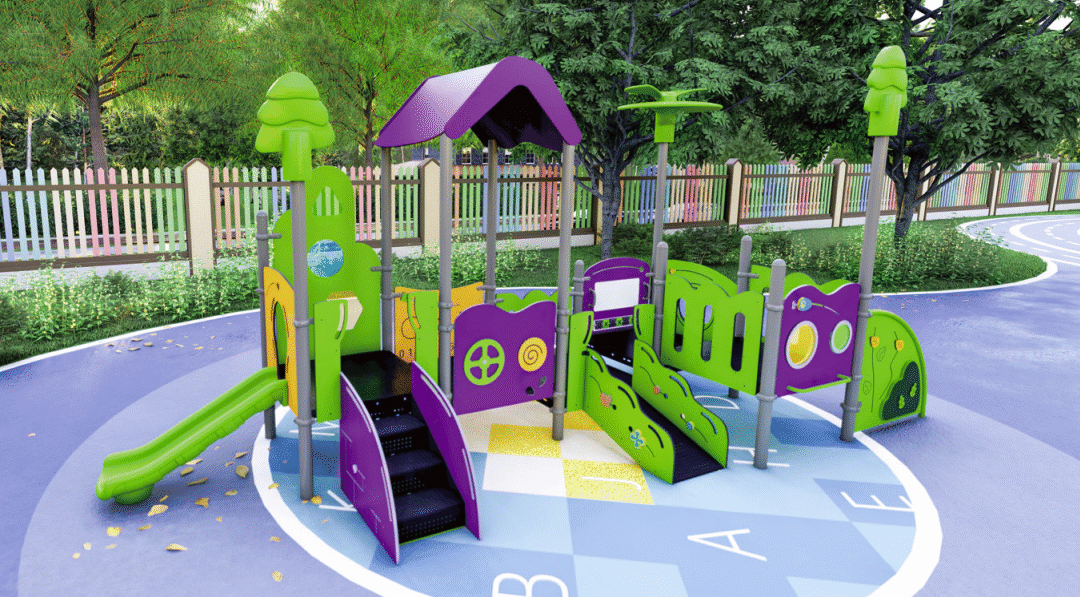
Colorful modern playground structure featuring interactive slides and climbing elements, designed for inclusive play and engagement in community parks.

Modern playground equipment blends technological interactivity with imaginative theming to enhance engagement and cognitive stimulation. Interactive musical walls, digital scavenger hunts, and sensory gardens enrich play while celebrating local culture.

EquipmentFeatureBenefitMechanismWhy It’s Essential
Climbing Net StructuresFlexible steel-reinforced ropeBuilds upper-body strengthAdapts tension for safetyEncourages confidence and resilience
Interactive LED PanelsProgrammable light sequencesStimulates problem-solvingUser-responsive technologyBridges digital literacy with outdoor play
Themed PlayhousesCustom cultural motifsFosters community identityLocal storytelling integrationConnects children with regional heritage

These innovations pave the way for intergenerational gathering spaces in community parks.

How Are Intergenerational Play Spaces Changing Community Parks?

Intergenerational design combines playgrounds for children with fitness equipment and seating for adults, promoting family cohesion and healthy lifestyles. Integrated adult exercise stations support cardiovascular health while children develop motor skills nearby.

Harnessing this synergy leads naturally into a look at sustainable practices in NC playground development.

What Sustainable Practices Are Used in North Carolina Playground Development?

Sustainable playground construction reduces environmental impact and long-term operating costs by using recycled plastics, sustainably harvested lumber, and permeable surfacing that supports stormwater management. These practices enhance durability and community stewardship.

Key sustainable practices include:

  • Utilizing recycled-content HDPE panels that resist UV damage
  • Installing engineered wood fiber surfaces that filter rainwater
  • Selecting FSC-certified timber for shade structures
  • Incorporating native plantings to reduce irrigation needs

Sustainable Playground Practices

Sustainable playground construction reduces environmental impact and long-term operating costs by utilizing recycled plastics, sustainably harvested lumber, and permeable surfacing that supports stormwater management. These practices enhance durability and community stewardship.

U.S. Environmental Protection Agency, “Sustainable Playground Design” (2022)

This citation provides evidence for the environmental and economic benefits of sustainable practices in playground development, as discussed in the article.

Adopting these methods delivers both ecological benefits and budget efficiencies, guiding us into the next major theme: community advantages of inclusive design.

Inclusive and Sustainable Playground Design Trends in North Carolina

Inclusive playground design benefits North Carolina communities by improving access to recreation for all abilities, fostering social equity, and enhancing mental and physical health. It transforms public spaces into vibrant hubs that reflect community values.

Complete inclusion generates:

  • Increased family participation in outdoor activities
  • Enhanced social integration among diverse groups
  • Support for developmental milestones through sensory enrichment
  • Strengthened civic pride in universally designed public amenities

Inclusive Playground Design Benefits

Inclusive playgrounds offer numerous benefits to communities, including increased family participation in outdoor activities and enhanced social integration among diverse groups. These spaces support developmental milestones through sensory enrichment and strengthen civic pride in universally designed public amenities.

American Academy of Pediatrics, “Creating Inclusive Playgrounds” (2018)

This research supports the article’s claims about the positive community impacts of inclusive playground design.

These community advantages set the stage for understanding specific ADA-compliant features in greater detail.

What Are the Key Features of ADA-Compliant and Accessible Playgrounds?

ADA-compliant playgrounds incorporate smooth surfacing, transfer platforms, and clear circulation paths to meet federal guidelines, ensuring wheelchair accessibility and equitable play opportunities. These features improve usability and safety.

By understanding these standards, we can explore how sensory elements further enrich inclusive spaces.

How Do Sensory Play Elements Support Children of All Abilities?

Sensory play elements such as tactile panels, auditory chimes, and visual contrast features support cognitive processing, fine-motor development, and emotional regulation. These installations cultivate focus and inclusivity.

Having highlighted sensory enrichment, we turn to adaptive equipment examples that further expand accessibility.

What Adaptive Equipment Enhances Accessibility in NC Playgrounds?

Adaptive equipment, including high-back swings, ground-level merry-go-rounds, and wheelchair-accessible seesaws, offers customized support and encourages group play. These innovations promote physical engagement and peer interaction.

Next, we’ll review local successes through case studies illustrating inclusive playground outcomes.

Can You Share Successful Inclusive Playground Case Studies in North Carolina?

Case studies such as the Chapel Hill Community Center inclusive playground demonstrate how collaboration with local stakeholders yields accessible designs, outstanding community feedback, and increased usage rates by 40%. These examples validate best practices and inform future projects.

Following inclusive design, we shift focus to the defining aspects of natural playgrounds and their developmental benefits.

What Defines Natural Playgrounds and Their Advantages in North Carolina?

Natural playgrounds leverage existing terrain, vegetation, and raw materials to foster imaginative play, environmental literacy, and physical agility. By blending play structures with natural elements, these spaces deepen children’s connection to their surroundings.

Understanding material integration guides us into specific design considerations.

How Are Natural Materials Integrated into NC Playground Designs?

Designers incorporate logs, stone boulders, wood stumps, and native plant beds to create play zones that double as ecological classrooms. These elements invite unstructured exploration and environmental stewardship.

This material integration leads into child development benefits inherent in nature-inspired play.

What Are the Child Development Benefits of Nature-Inspired Play?

Nature-inspired play promotes balance, risk assessment, and sensory engagement, supporting gross-motor coordination and resilience. Children who navigate uneven terrain and natural obstacles build confidence and problem-solving skills.

Building on developmental gains, we examine how topography shapes layout strategies.

How Does Topography Influence Natural Playground Layouts?

Site topography guides the placement of slides, climbing rocks, and balance beams to leverage slopes for sliding and rolling activities. Strategic grading enhances circulation and safety while reducing the need for imported fill.

With layout in mind, we highlight exemplary natural playgrounds across North Carolina.

Which North Carolina Playgrounds Exemplify Natural Play Concepts?

Durham’s Sandy Creek Park and Asheville’s Bent Creek Forest Playground showcase integrated water features, forest-floor pathways, and sculptural logs that embody natural play principles. These sites inspire future designs statewide.

Having covered natural play, we shift to the products that drive commercial installations across NC.

Commercial playground equipment in North Carolina includes modular play structures, custom shade canopies, interactive panels, and ADA-compliant ramps engineered for durability and safety. Project owners select solutions that align with maintenance budgets and design goals.

These equipment categories rely on materials chosen for longevity and performance.

What Are the Most Durable Materials for Outdoor Play Equipment in NC?

Durable materials such as galvanized steel, powder-coated aluminum, and UV-stabilized HDPE deliver extended lifespans and low upkeep. Selecting these materials reduces repair costs and maintains a fresh appearance.

MaterialDurability AttributeTypical Lifespan
Galvanized SteelCorrosion resistance20+ years
HDPE PanelsUV and graffiti resistance15+ years
Powder-Coated AluminumScratch and rust protection25+ years

Understanding material performance informs decisions about safety standards.

How Do Safety Standards Like ASTM, CPSC, and IPEMA Affect Equipment Choices?

ASTM, CPSC, and IPEMA certifications set benchmarks for surfacing, fall heights, and structural integrity, ensuring equipment minimizes injury risks and meets liability requirements. Compliance guides manufacturers and specifiers.

Compliance considerations lead naturally to audience-specific equipment solutions.

Which Equipment Solutions Best Serve Schools, Parks, and HOAs in NC?

Schools often choose age-segmented modular units with educational panels; parks favor large-span shade structures and community gathering zones; HOAs select compact play systems and seating areas that blend with neighborhood aesthetics. Each solution addresses unique user groups and budget parameters.

With core solutions identified, we examine how innovation amplifies play value.

How Does Equipment Innovation Enhance Play Experiences?

Equipment innovations—such as augmented-reality treasure hunts, motion-activated lighting, and solar-powered charging stations—enhance engagement, teach STEM concepts, and extend usage into dusk hours. These features promote modern learning and healthy activity.

Next, we explore the broader modern concepts redefining outdoor play spaces.

How Are Modern Playground Concepts Transforming North Carolina Outdoor Spaces?

Modern playground concepts merge artistic theming, technology, and health-focused elements to create dynamic community hubs. These integrated spaces encourage extended visits, social cohesion, and lifelong fitness habits.

Conceptual advances inspire themed designs.

Themed playgrounds in North Carolina draw from local culture—including coastal, mountain, and historical motifs—to spark imagination and community pride. Custom murals, sculpted play pieces, and interpretive signage reinforce regional identity.

Transitioning from themes, we examine intergenerational fitness integration.

How Are Intergenerational Play and Outdoor Fitness Zones Developed?

Designers place fitness stations adjacent to play areas, combining pull-up bars, balance beams, and stationary cycle units that adults and teens use while supervising children. This co-location fosters family health routines and social interaction.

After fitness, we consider the role of technology.

What Role Does Technology Play in Modern Playground Design?

Technology integration, such as sensor-based play panels, interactive projection walls, and Wi-Fi-enabled charging hubs, balances digital engagement with physical activity. These features attract tech-savvy users and support educational programming.

Having covered modern concepts, we turn to the end-to-end process of design and installation services.

What Is the Process for Playground Design and Installation Services in North Carolina?

A structured design and installation process ensures that client vision, site conditions, and regulatory requirements align with project outcomes. Professional services deliver seamless transitions from concept to ribbon-cutting.

The typical service process follows five key steps:

  1. Initial Consultation and Needs Assessment – Gather stakeholder goals, user profiles, and budget constraints.
  2. Site Planning and Conceptual Design – Conduct site surveys and develop schematic layouts that optimize safety and accessibility.
  3. Equipment Selection and Engineering – Specify certified materials and custom features to meet design and compliance standards.
  4. Professional Installation and Inspection – Coordinate certified contractors for proper assembly, surfacing, and ADA verification.
  5. Maintenance Planning and Warranty Support – Establish ongoing service schedules and warranties for surfacing, equipment, and shade structures.

This process overview leads us to explore funding opportunities that support NC playground projects.

How Does Custom Playground Design Address Unique Client Needs?

Custom design adapts play systems, color palettes, and branding elements to reflect community identity, educational goals, and site constraints. This tailored approach enhances user engagement and project distinctiveness.

Building on customization, we outline site planning steps.

What Are the Steps for Site Planning and Preparation in NC?

Site planning includes topographic mapping, soil testing, drainage analysis, and permitting. Proper grading and erosion control set the groundwork for safe, durable installations that align with local regulations.

After preparation, we examine installation best practices.

How Does Professional Installation Ensure Safety and Quality?

Certified installers follow manufacturer blueprints, apply ASTM-approved surfacing, and perform load testing to verify structural integrity. This rigorous approach minimizes defects and accelerates occupancy.

Installation quality transitions naturally into long-term care considerations.

What Maintenance and Warranty Options Support Long-Term Playground Use?

Comprehensive maintenance plans include annual safety audits, surfacing replenishment, and equipment lubrication. Extended warranties cover material defects and UV damage, ensuring sustained performance and peace of mind.

Understanding care and support prepares clients to explore funding solutions.

Are There Funding and Grant Opportunities for NC Playground Projects?

North Carolina offers grants through program partners such as Trillium Health Resources, county recreation funds, and Safe Routes to School initiatives. These funding sources reduce upfront costs and accelerate project timelines.

With the service process clear, the next section highlights why Shade and Play Pros is the preferred partner for NC playground projects.

Why Choose Shade and Play Pros for Your North Carolina Playground Project?

Shade and Play Pros combines deep expertise in North Carolina trends, end-to-end project management, and a commitment to safety and innovation to deliver outstanding outdoor spaces. Our approach ensures efficient timelines, regulatory compliance, and exceptional user experiences.

What Expertise Does Shade and Play Pros Bring to NC Playground Design?

Our team possesses extensive knowledge of NC demographics, climate considerations, and regulatory frameworks. We leverage certified landscape architects and CPSI-trained professionals to craft engaging, code-compliant play environments.

This domain authority extends to rigorous safety protocols.

How Does Shade and Play Pros Ensure Safety and Compliance?

We adhere to ASTM, CPSC, ADA, and IPEMA standards at every project phase. Regular inspections, third-party testing, and detailed safety reports guarantee installations meet or exceed all liability and accessibility requirements.

Building on safety, we offer custom solutions for diverse clients.

What Custom Solutions Does Shade and Play Pros Offer for Diverse Clients?

From municipalities seeking large-scale community parks to schools and HOAs requiring compact, brand-aligned play areas, we design modular systems, shade structures, and thematic elements that reflect unique visions and budgets. Each project receives a tailored design package and 3D visualization.

With solutions defined, it’s easy to take the next step.

How Can You Request a Consultation with Shade and Play Pros?

Requesting a consultation is simple: complete our online form or call our NC office to schedule a site assessment. Our team will provide a complimentary feasibility study and conceptual sketch within five business days.

Partnering with Shade and Play Pros ensures your project delivers lasting value and enriches North Carolina communities.

Playground design trends in North Carolina are reshaping outdoor spaces with a focus on inclusivity, nature immersion, modern equipment, intergenerational engagement, and sustainable practices. These innovations support cognitive and physical development, strengthen community bonds, and optimize long-term costs. By following a structured design-to-installation process and partnering with Shade and Play Pros, municipalities, schools, HOAs, and commercial developers can transform idle plots into dynamic community assets. Begin your next playground project today and experience how modern design elevates play for everyone in North Carolina.