Safe & Engaging Playground Solutions

Creating stimulating and secure outdoor play spaces requires purpose-built commercial playground equipment that meets rigorous safety and accessibility standards. Research indicates that purpose-designed play structures not only foster physical development but also strengthen community cohesion through shared recreational experiences. In this guide, we define core equipment categories, examine inclusive design principles, explore safety standards and surfacing options, evaluate shade structure solutions, outline dog park planning essentials, detail the consultation process, and highlight funding pathways. By mapping each topic to best practices and tailored solutions from Shade and Play Pros, municipalities, schools, HOAs, and developers can confidently plan transformative outdoor space projects.

Benefits of Commercial Playground Equipment for Schools & Communities

Commercial playground equipment encompasses engineered play structures, safety surfacing, and supplemental features designed for high-use public settings to ensure durability, safety, and developmental benefit. By providing resilient materials and age-appropriate designs, these installations support physical growth, risk-management learning, and social interaction in schools, parks, and community centers. For example, a multi-activity play tower with climbing walls and sensory panels sustains thousands of uses per year while promoting motor skill development and peer collaboration.

Beyond physical resilience, commercial-grade play equipment incorporates certified safety features and inclusive access points to accommodate diverse users. Integrating ADA-compliant ramps, impact-absorbing surfacing, and secure guardrails reduces injury rates and extends play opportunities to children of all abilities. Understanding these foundational principles sets the stage for deeper exploration of developmental, organizational, and quality attributes that define exemplary outdoor play environments.

How Does Commercial Playground Equipment Support Child Development and Community Well-Being?

Commercial playground equipment supports child development by combining physical challenges with cognitive stimulation through engineered play mechanisms that strengthen coordination and problem-solving skills. Climbing nets and balance beams, for instance, reinforce vestibular awareness while promoting confidence in movement. These developmental benefits translate to community well-being as children engage cooperatively, building social skills and fostering inclusive peer relationships that carry into broader civic life.

Which Organizations and Facilities Benefit Most from Commercial Playground Equipment?

Municipal parks, K-12 schools, childcare centers, HOAs, and commercial property owners benefit most from commercial playground equipment because these organizations require durable, code-compliant installations that serve high volumes of users. Developers and parks and recreation departments leverage these robust solutions to meet community enrollment demands, enhance property value, and fulfill grant or zoning requirements. Recognizing target audiences ensures equipment selection aligns with usage patterns and budget allocations.

What Are the Key Features That Define Quality Commercial Playground Equipment?

Quality commercial playground equipment is defined by engineered safety components, weather-resistant materials, and inclusive access provisions that combine to deliver longevity and universal usability. Key features include powder-coated steel supports, UV-stabilized plastic panels, ADA ramps, and stainless-steel hardware rated for corrosive environments. These specifications ensure that play structures resist wear, maintain structural integrity, and provide continuous safe use in any climate.

How to Design Inclusive Playground Equipment That Meets ADA Compliance and Supports All Abilities?

Inclusive playground equipment integrates universal design principles to deliver barrier-free play experiences that enrich cognitive, sensory, and social development. By combining accessible ramps, adaptive swings, and sensory-rich panels, inclusive layouts foster engagement among children with mobility, vision, or processing differences. A recent installation at a community center featuring wide transfer platforms and tactile play stations exemplifies how inclusive design maximizes participation for users of varying abilities.

Inclusive Playground Design Criteria for All Abilities

Playgrounds play a vital role in children’s development by facilitating exploration, socialization, and skill-building. However, traditional playgrounds often fall short in providing suitable environments for children with disabilities (CWD), limiting their participation and hindering their growth. In contrast, inclusive playground (IP) design presents a transformative opportunity to break down barriers and create play spaces that empower children of all abilities. The research focuses on observing various playgrounds to assess their criteria and features, with an emphasis on accommodating children of all abilities. By analyzing the criteria employed in these playgrounds, the research aims to identify best practices and potential areas for improvement in creating inclusive play spaces. The methodology employs a qualitative approach through observations of three publicly accessible playgrounds to delve into the current criteria adopted for the selected IP based on seven b

What Are the ADA Requirements for Inclusive Playground Equipment?

ADA requirements mandate accessible routes, transfer systems, and ground-level play components to ensure children with mobility aids can access at least 50 percent of play activities. Clear floor space dimensions, ramp slopes not exceeding 1:12, and firm, stable surfacing are essential. Compliance with these standards reduces barriers to social interaction and aligns playground projects with federal accessibility guidelines.

ADA Compliance in Playground Equipment Design

The need for accessible playgrounds is more prevalent than ever before, with approximately 3 million children having disabilities and health issues that limit their ability to partake in play and school. The Americans with Disabilities Act (ADA) recently provided, for the first time, specific accessible design standards for playgrounds. All playgrounds must now comply with these rules that went into place on March 15, 2012. As it is vital that playgrounds undergo the necessary changes to come up to compliance, there is an opportunity to develop an accessible playground design which satisfies all ADA playground standards and requirements. The objective of this project was to design, develop, and analyze an accessible play structure that included; an elevated structure and a ground level component. This project utilized the engineering design process and civil engineering knowledge to develop computer aided drawings of the structures, structural analyses, complete construc

How Does Sensory Play Enhance Inclusive Playground Design?

Sensory play enhances inclusive design by incorporating tactile panels, auditory chimes, and visual contrast zones that stimulate multiple senses and support children with sensory processing needs. Elements such as textured climbing walls and interactive musical stations promote exploration and self-regulation. These features create engaging micro-environments that cater to varying developmental profiles while reinforcing inclusive participation.

Which Age-Specific Playground Equipment Options Support Inclusive Play?

Age-specific equipment options—such as low-rise climbers for toddlers, interactive panel units for preschoolers, and elevated platforms with adaptive swings for school-age children—ensure inclusive engagement across developmental stages. Toddler playsets incorporate gentle slide angles and wraparound barriers, whereas school-age towers feature broader transfer points and communication panels. Tailoring equipment by age group maximizes safety and relevance for all users.

How Can Custom Playground Solutions Cater to Diverse Community Needs?

Custom playground solutions enable municipalities and HOAs to reflect community demographics, spatial constraints, and thematic preferences through bespoke color schemes, specialized activity modules, and branded sensory features. Shade and Play Pros’ design team collaborates directly with stakeholders to integrate local cultural motifs, tailored accessibility features, and site-specific surfacing options. This collaborative approach ensures each project resonates with its audience and meets unique program goals.

What Are the Latest Safety Standards and Surfacing Options for Commercial Playgrounds?

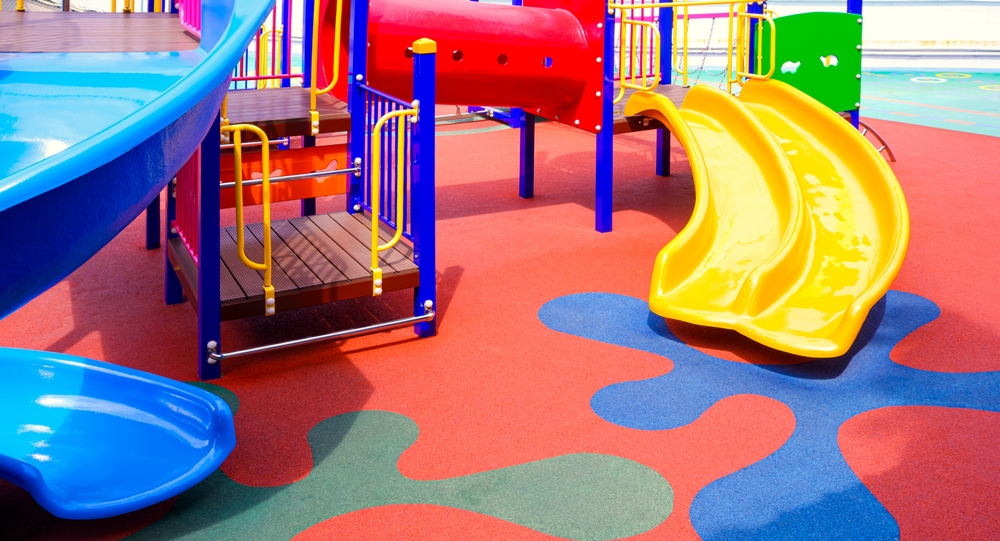
Playground safety standards and surfacing options combine to mitigate injury risk and enhance accessibility in busy public environments. By adhering to CPSC guidelines and selecting engineered impact-attenuating materials, project teams protect users from fall-related harm while facilitating wheelchair access. For example, a playground surfacing system composed of poured-in-place rubber provides consistent shock absorption and slip resistance.

Before detailing surface materials, it is important to compare common impact-attenuating and accessibility-focused options.

Surface TypeImpact Attenuation LevelAccessibility RatingTypical Use Cases
Loose-fill Engineered WoodCritical fall height up to 9 ftRequires maintenanceBudget-sensitive installations
Poured-in-Place RubberCritical fall height up to 15 ftADA-compliantHigh-use public playgrounds
Synthetic Turf with PadCritical fall height up to 10 ftADA-accessibleSchool yards and parks

Loose-fill wood fiber offers cost efficiency but demands frequent topping and debris management, whereas poured-in-place rubber systems provide consistent shock absorption with minimal upkeep. Synthetic turf balances aesthetics with performance, providing an inviting yet resilient surface that supports inclusive play.

What Are the CPSC and ASTM Safety Standards for Playground Equipment?

CPSC guidelines and ASTM F1487 standards specify structural integrity tests, spacing requirements, and fall height criteria to minimize entrapment, pinch hazards, and impact injuries. These frameworks define equipment clearance zones, protective surfacing depths, and regular inspection protocols. Adhering to these standards ensures installations meet national benchmarks for safe public use.

How Does Proper Playground Surfacing Improve Safety and Accessibility?

Proper playground surfacing improves safety by absorbing fall impact energy and reducing friction burns, while providing firm, slip-resistant pathways for mobility devices. Systems such as poured-in-place rubber maintain consistent shock attenuation across the entire play area. Accessible surfacing materials open play opportunities to wheelchair users and families with strollers, promoting inclusive engagement.

What Maintenance Practices Ensure Long-Term Playground Safety?

Routine safety inspections, surfacing depth measurements, and hardware torque checks ensure long-term playground integrity. Monthly visual audits, annual professional assessments, and timely remediation of worn components prevent hazards from developing. Establishing a maintenance schedule supported by manufacturer warranties extends equipment lifespan and safeguards user experience.

Which Commercial Shade Structures Provide Effective UV Protection for Playgrounds?

Commercial shade structures deliver vital UV protection and thermal comfort for playground users by combining engineered canopy fabrics with robust support systems. By integrating shaded zones over high-use play elements, project planners reduce surface temperatures and safeguard children’s skin health. One school installation featuring cantilevered sail shades recorded a 20 °F drop in playground surface temperature, illustrating the impact of strategic canopy placement.

Before exploring specific shade types, consider this comparison of common commercial structures.

Structure TypeUV Blockage RateWind ResistanceIdeal Play Area Coverage
Hip-Roof Canopy98 percentUp to 90 mphCentral play zones
Cantilever Shade95 percentUp to 75 mphSlide and swing areas
Sail Shade90 percentUp to 60 mphOpen court-style layouts

While hip-roof canopies provide full overhead coverage with precise angle control, sail shades offer flexible installation in irregular spaces. Cantilever systems extend shading without interior posts, maximizing unimpeded play flow.

What Types of Shade Structures Are Best for Commercial Playgrounds?

Hip-roof canopies, cantilever frames, and tensioned sail shades each address specific site layouts and coverage requirements. Hip-roof canopies offer full roof coverage with multi-angle fabric panels ideal for large activity centers. Cantilever designs deliver unobstructed shade over slides and benches, and sail shades provide cost-effective versatility for irregular play areas.

How Do Shade Structures Reduce Temperature and Protect Children Outdoors?

Shade structures reduce ambient temperature by blocking up to 98 percent of harmful UV rays and limiting direct solar radiation on play surfaces. By intercepting sunlight before it heats surfaces, shaded play areas can register up to 30 percent lower ground temperatures. These temperature reductions decrease thermal injury risk and extend playtime comfort during peak sun hours.

What Materials Ensure Durability and Longevity in Playground Shade Structures?

Durable shade fabrics—such as PTFE-coated fiberglass or high-density polyethylene (HDPE)—resist UV degradation, mildew, and wind loading, while galvanized or powder-coated steel frames prevent corrosion in coastal or humid environments. Quality hardware components like stainless-steel turnbuckles and tensioning systems maintain structural tension and resist loosening over time. These material selections guarantee decades of low-maintenance performance.

How Can Custom Shade Designs Enhance Playground Usability and Aesthetics?

Custom shade designs allow project teams to integrate color palettes, themed graphics, and brand motifs into canopy fabrics, reinforcing site identity and visual appeal. Shade and Play Pros’ design studio collaborates with clients to balance aesthetic preferences with functional coverage requirements, ensuring seamless integration with existing play structures. Bespoke solutions elevate user experience and complement landscape architecture.

How to Plan and Equip Dog Parks with Durable Agility Equipment for Community Spaces?

Commercial dog park planning pairs durable agility equipment with supportive amenities to create safe, engaging environments that promote canine fitness and community interaction. High-quality agility components such as jumps and tunnels enhance dogs’ physical coordination and provide mental stimulation. A neighborhood park outfitted with weather-resistant weave poles and elevated platforms saw a 40 percent increase in off-leash attendance within one season.

What Dog Agility Equipment Is Essential for Commercial Dog Parks?

Essential agility equipment includes adjustable hurdle jumps, weave pole sets, tunnel systems, and A-frame ramps designed for consistent performance and canine safety. These components support structured training exercises and free-play agility challenges. Robust, slip-resistant surfaces on ramps and frames ensure secure footing for all breeds.

Which Amenities Improve Dog Park Functionality and Visitor Experience?

Amenities such as pet waste stations with odor-control bins, dog-height water fountains, shaded seating areas, and durable benches elevate visitor comfort and cleanliness. Providing separate zones for small and large dogs enhances safety and social compatibility. Thoughtful amenity placement streamlines maintenance and encourages frequent community use.

How to Design Inclusive Dog Parks That Serve Diverse Community Needs?

Inclusive dog park design incorporates barrier-free pathways, secure entry gates, and sensory-engaging features, such as textured play panels for pups with vision or auditory impairments. Accessible trail loops with firm surfacing invite handlers using mobility devices to participate. Incorporating multi-sensory elements fosters engagement across canine and human users with varied abilities.

What Materials Ensure Durability and Weather Resistance in Dog Park Equipment?

Recycled plastic lumber, galvanized steel frames, and powder-coated hardware deliver weather resistance and low maintenance for dog agility structures. Slip-resistant coatings and UV-stabilized finishes preserve equipment integrity under high-use conditions. Sustainable material choices reduce long-term upkeep costs and align with eco-friendly project goals.

How Does the Consultation and Project Planning Process Work for Commercial Playground Equipment?

A structured consultation and planning process guides clients from initial concept to final installation, ensuring alignment with safety standards, budget parameters, and site constraints. Beginning with a site assessment and stakeholder workshops, Shade and Play Pros develops schematic designs and equipment layouts tailored to programmatic objectives. This collaborative model streamlines approvals and fosters transparent communication throughout project delivery.

What Are the Key Steps in Designing a Custom Playground Project?

  1. Discovery & Site Analysis – Conduct on-site evaluations, user surveys, and regulatory reviews.
  2. Concept Development – Generate preliminary layouts, renderings, and equipment selection options.
  3. Detail Engineering – Finalize equipment placements, surfacing specifications, and shade structure integration.
  4. Approval & Budgeting – Secure permits, finalize cost estimates, and obtain stakeholder sign-off.

These sequenced steps ensure comprehensive alignment with client goals and compliance requirements before procurement begins.

How Is Installation Managed to Ensure Safety and Compliance?

Installation management includes certified installers who follow manufacturer guidelines, perform anchor-bolt verifications, and execute safety inspections at defined milestones. Post-installation audits confirm surfacing depths, equipment tolerances, and structural integrity. This rigorous oversight delivers turnkey readiness and meets or exceeds ASTM and CPSC benchmarks.

What Maintenance and Warranty Options Are Available for Commercial Playgrounds?

Maintenance programs range from basic annual inspections to full service contracts that include quarterly surfacing replenishment and hardware retightening. Manufacturer warranties cover structural components and fabric canopies for up to 10 years, with service-level guarantees on replacement parts. These support packages protect investment value and operational continuity.

Which Case Studies Demonstrate Successful Playground and Shade Structure Projects?

Case studies of municipal parks, elementary schools, and residential developments illustrate holistic project outcomes—from a fully accessible playground that boosted enrollment at a childcare center to a civic plaza featuring coordinated shade canopies that extended evening usage hours. These examples highlight measurable improvements in user engagement, safety performance, and community satisfaction.

What Funding Options and Grants Are Available for Commercial Playground Equipment Projects?

Securing funding for playground projects involves tapping federal, state, and private grant programs alongside local bond initiatives to underwrite equipment and installation costs. By pursuing multiple funding streams—such as recreation enhancement grants, community development block grants, and nonprofit partnerships—project leads can offset capital expenditures. Awareness of available programs streamlines application processes and accelerates project timelines.

How Can Schools and Municipalities Secure Grants for Playground Development?

Schools and municipalities can secure grants by aligning project proposals with grantor priorities—such as promoting inclusive recreation, community health, or environmental stewardship—and submitting data-driven impact statements. Preparing detailed budgets, site plans, and community support letters strengthens grant applications. Engaging stakeholders early fosters collaborative endorsements and improves award success rates.

Designing Inclusive Playgrounds for Children with Disabilities

Playgrounds play a vital role in children’s development by facilitating exploration, socialization, and skill-building. However, traditional playgrounds often fall short in providing suitable environments for children with disabilities (CWD), limiting their participation and hindering their growth. In contrast, inclusive playground (IP) design presents a transformative opportunity to break down barriers and create play spaces that empower children of all abilities. The research focuses on observing various playgrounds to assess their criteria and features, with an emphasis on accommodating children of all abilities. By analyzing the criteria employed in these playgrounds, the research aims to identify best practices and potential areas for improvement in creating inclusive play spaces. The methodology employs a qualitative approach through observations of three publicly accessible playgrounds to delve into the current criteria adopted for the selected IP based on seven basic pr

What Are Best Practices for Budgeting Commercial Playground Equipment?

Best budgeting practices include itemizing equipment costs, surfacing expenses, shade structure installations, installation labor, and ongoing maintenance reserves. Allocating a contingency fund of 10–15 percent accounts for site conditions and change orders. Phasing project elements by priority can distribute costs over multiple fiscal cycles while ensuring core play features are delivered promptly.

How Does Investing in Quality Equipment Provide Long-Term Value?

Investing in quality equipment delivers long-term value through reduced maintenance costs, extended service life, and stronger community engagement metrics. Durable materials and rigorous safety compliance minimize liability exposure and repair downtime. Over a decade, premium installations can cost up to 30 percent less in total cost of ownership compared to budget-grade alternatives, making high-performance solutions a prudent investment.

Shade and Play Pros stands ready to guide your next outdoor space initiative from concept through completion—schedule a consultation to explore custom commercial playground, shade, and dog park solutions tailored to your community’s needs.