Essential Features to Consider When Choosing Playground Equipment for Your North Carolina Park

Selecting playground equipment for a North Carolina park involves more than picking bright slides and swings—it requires aligning with safety regulations, climate-resistant materials, age-appropriate designs, impact-attenuating surfacing, and effective shade solutions. What features should I consider when buying playground equipment for my North Carolina park? From CPSC and ASTM compliance to ADA accessibility, galvanized steel durability, poured-in-place rubber surfacing, and UV-blocking shade sails, this guide covers six critical areas:

  1. Safety standards and regulations
  2. Age-group equipment recommendations
  3. Climate-resilient materials
  4. Impact-attenuating surfacing
  5. Shade structure benefits
  6. Planning, installation, and maintenance strategies

Whether you represent a municipality, school, HOA, or developer, these insights—along with Shade and Play Pros’ expertise in consultation and installation—will help you design engaging, compliant, and long-lasting play environments.

Key Safety, Durability and Shade Features for NC Park Playgrounds

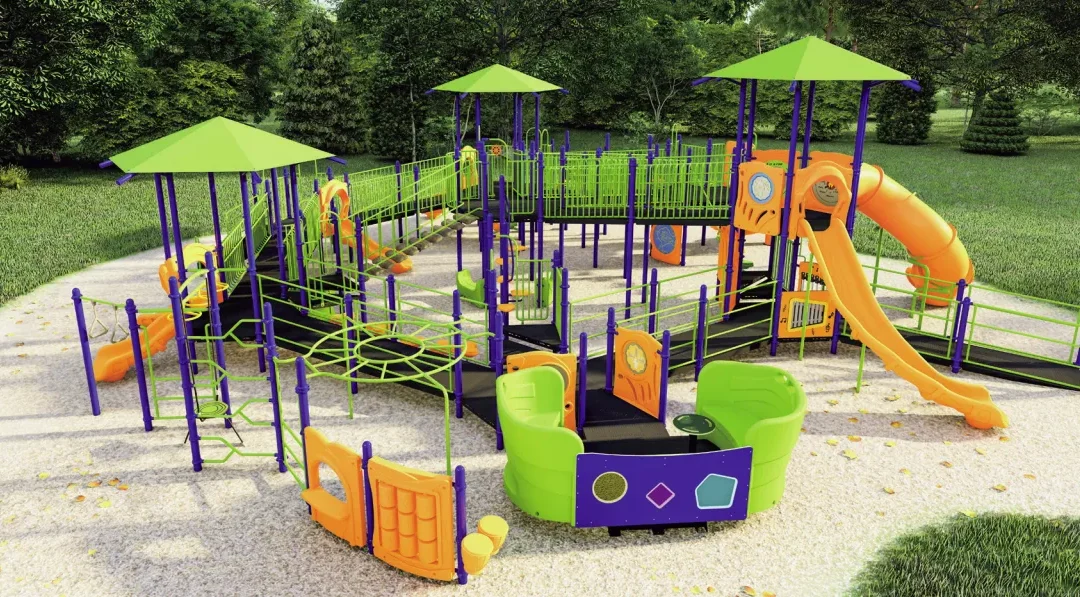
NatureMAX Castle playground structure with multiple slides, climbing features, and safety elements, designed for North Carolina parks, emphasizing compliance with safety standards and age-appropriate play.

Key safety standards establish regulatory requirements to protect children by specifying design, installation, and maintenance criteria—ensuring playground fall heights are managed and equipment surfacing meets impact attenuation guidelines; for example, the CPSC handbook outlines use zones to minimize injury risk. Adhering to these standards prevents injuries, guides equipment selection, and supports municipal compliance. Below we explore four foundational safety frameworks that shape safe playground environments.

What Does the CPSC Public Playground Safety Handbook Recommend?

The CPSC Public Playground Safety Handbook provides actionable guidelines to reduce injury risk through proper spacing, equipment design, and use‐zone clearances.

  • Ensure a minimum use zone extending 6 feet beyond equipment perimeters.
  • Maintain surfacing depth based on critical fall heights to cushion impacts.
  • Verify equipment edges and openings avoid entrapment hazards.
  • Conduct routine inspections to confirm hardware integrity and surfacing condition.

U.S. Consumer Product Safety Commission, Public Playground Safety Handbook (2022)

Each recommendation targets a core aspect of user protection, guiding planners to design layouts that manage fall zones and prevent entrapments, which transitions into how consensus standards reinforce these measures.

How Do ASTM Standards F1487 and F1292 Ensure Playground Safety?

ASTM F1487 and F1292 set voluntary consensus benchmarks for equipment and surfacing to mitigate fall-related injuries by defining performance criteria, material tests, and critical height ratings; for example, F1292 requires impact attenuation testing at specified heights.

StandardFocus AreaKey Requirement
F1487Equipment ConstructionSpecifies structural load, component spacing, and entrapment limits
F1292Surface Impact AttenuationRequires certification of surfacing materials at designated fall heights
F2373Playground Barriers & SignsOutlines barrier placement and warning signage

Each standard addresses a distinct element of safe design, guiding project teams to choose compliant equipment and certified surfacing, which leads us to consider accessibility requirements for inclusive play.

What Are the ADA Requirements for Inclusive and Accessible Playgrounds?

ADA requirements ensure playgrounds are welcoming to children of all abilities by mandating ramp access, transfer stations, and ground-level play components. Including tactile panels, adaptive swings, and firm, stable pathways promotes social inclusion and regulatory compliance—such as a 36-inch-wide pathway to elevated platforms. Designing with ADA in mind demonstrates commitment to accessibility and transitions naturally to certification of surfacing systems.

U.S. Department of Justice, Americans with Disabilities Act (ADA) Standards for Accessible Design (2010)

How Does IPEMA Certification Impact Playground Equipment Quality?

IPEMA certification verifies surfacing products and equipment meet ASTM impact attenuation and durability criteria, lending third-party assurance to specifiers. Selecting IPEMA-certified rubber mulch or poured-in-place rubber means your surfacing has passed strict laboratory tests, reducing liability and supporting long-term performance. Understanding certification strengthens confidence in materials and introduces the importance of choosing equipment types suited to different age groups.

After ensuring compliance with safety standards and certifications, selecting equipment that matches age-specific developmental needs ensures both safety and engagement.

Which Playground Equipment Types Are Best for Different Age Groups in North Carolina Parks?

Age-appropriate playground equipment customizes challenge levels and developmental benefits for young children, school-agers, and children of all abilities—ensuring both engagement and safety. For instance, low-deck play pods for preschoolers minimize fall height hazards while rope climbers for school-aged children foster motor skill development. Below are recommendations tailored by age group.

What Equipment Is Suitable for Preschoolers (Ages 2-5)?

Preschool equipment combines low platform heights, gentle slides, and sensory elements to support early motor skills:

  • Mini-slides with 12-inch platform decks
  • Low-reach handrails and guardrails at 18 inches
  • Sensory panels featuring shapes, textures, and simple mazes
  • Ground-level spring riders
  • Low-impact balance beams

These features balance exploration with injury prevention, preparing young users for more challenging apparatus as they grow.

What Are the Best Playground Features for School-Aged Children (Ages 5-12)?

School-aged children benefit from higher decks, climbing elements, and social play zones that encourage strength and coordination:

  • Multi-level platforms up to 60 inches
  • Rope nets, climbing walls, and overhead ladders
  • Tube slides with enclosed tunnels
  • Musical panels and cooperative play stations
  • Elevated transfer stations to challenge balance

Meeting their developmental needs builds confidence and physical skills, while ensuring use zones align with fall-height requirements leads into inclusive design.

How Can Inclusive Playground Equipment Support Children of All Abilities?
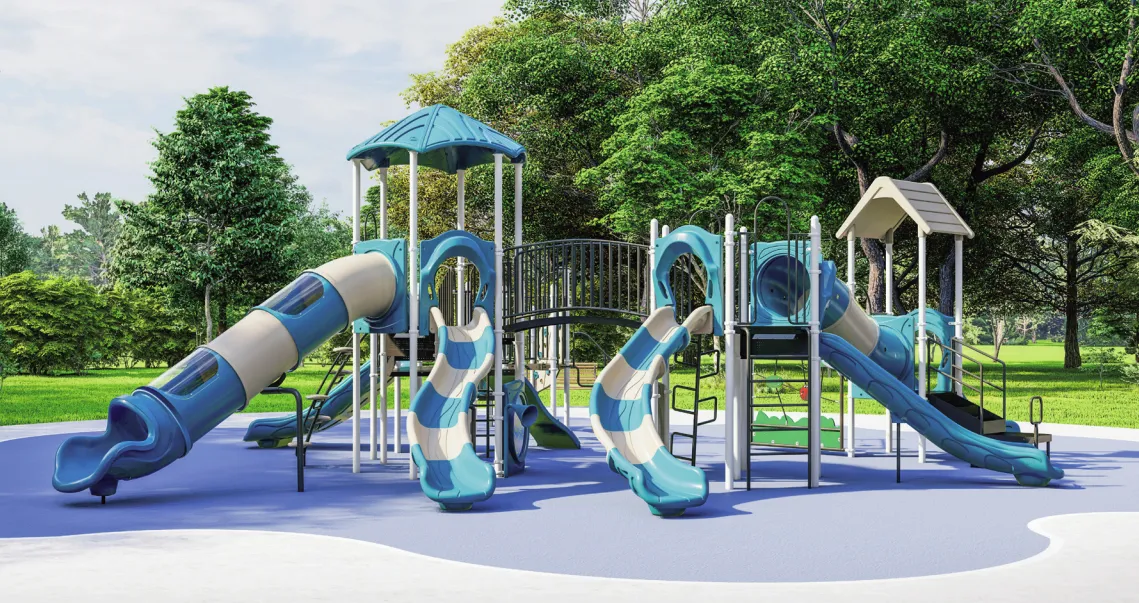
Playground featuring multi-level platforms, tube slides, climbing elements, and safety railings, designed for school-aged children, surrounded by green trees and a soft play surface.

Inclusive playgrounds integrate meronomic ramps, sensory-rich panels, and adaptive swings to foster universal play. Components such as wheelchair-accessible merry-go-rounds, ground-level play tables, and quiet retreat zones enable children with mobility or sensory challenges to participate equally, promoting social cohesion and equal access.

What Are the Differences Between Freestanding Play Elements and Composite Structures?

Freestanding elements—like standalone swings or spring riders—offer flexible placement and phased installation, whereas composite structures bundle multiple components on a unified frame with shared support footings. Freestanding options simplify maintenance but require independent surfacing, while composite systems optimize space and create cohesive play narratives. Choosing between the two shapes design flexibility and budget allocation, which transitions to evaluating material resilience under North Carolina’s climate.

Once you choose age-appropriate configurations, selecting durable materials suitable for North Carolina’s climate will extend lifespan and performance.

What Durable Materials Should You Choose for Playground Equipment in North Carolina’s Climate?

Durable materials resist UV exposure, humidity, and temperature swings—preserving color, structural integrity, and safety over time; for example, galvanized steel resists corrosion despite coastal humidity. Understanding material performance guides long-term cost savings and aesthetic retention.

What Are the Benefits and Drawbacks of Metal Equipment Like Galvanized Steel?

Galvanized steel frames deliver high strength and corrosion resistance through zinc coating, supporting long spans and high-load components.

  • Benefit: Exceptional durability in humid conditions
  • Drawback: Higher upfront cost and potential surface heat buildup in direct sun

These properties make steel frames ideal for heavy-use installations, while highlighting the need for shade to moderate temperature effects.

How Do Plastic Components (HDPE, Rotomolded) Perform Outdoors?

HDPE panels and rotomolded platforms resist fading, splintering, and chemical degradation, offering low maintenance:

  • Benefit: Color stability under UV and minimal cracking
  • Drawback: Potential brittleness in extreme cold and higher replacement cost

Plastic parts complement metal framing to balance durability and user comfort, leading into considerations for wood structures.

What Should You Know About Wood Structures (Treated Lumber, Cedar) for Playgrounds?

Treated lumber and cedar structures provide a natural aesthetic but require ongoing upkeep:

  • Benefit: Warm appearance and moderate initial cost
  • Drawback: Annual sealing to prevent rot and termite damage

Regular inspection prevents splinters and structural decay, underscoring maintenance planning discussed in the final section.

How Does North Carolina’s Climate Affect Material Longevity and Maintenance?

High humidity and elevated UV indices accelerate coating breakdown, while inland temperature swings can stress polymer connections. Choosing corrosion-resistant metals, UV-stabilized plastics, and properly sealed lumber, complemented by routine inspections, ensures investment protection and equipment longevity.

With material choices made, it’s equally important to select impact-attenuating surfacing that complements your equipment and safeguards users.

What Are the Best Safety Surfacing Options for North Carolina Parks?

Safety surfacing cushions falls and meets ASTM F1292 impact attenuation, reducing injury severity; for example, poured-in-place rubber meets critical fall heights up to 12 feet. Selecting the right surface aligns protection, accessibility, and maintenance goals.

What Are the Advantages of Poured-in-Place Rubber Surfacing?

Poured-in-place rubber creates a seamless, slip-resistant surface with customizable colors and patterns.

  • Benefit: High impact attenuation at deep fall heights
  • Attribute: ADA-compliant firmness
  • Value: Low debris accumulation and easy cleaning

Its continuous nature eliminates trip hazards, supporting inclusive play and linking naturally to alternative mulch options.

How Does Rubber Mulch Compare as a Playground Surface?

Rubber mulch blends shredded recycled tires into loose fill that meets impact standards at adequate depths.

  • Benefit: Inexpensive installation and effective drainage
  • Attribute: Recycled composition
  • Value: Requires periodic raking to maintain depth

While cost-effective, rubber mulch must be replenished over time, bridging to wood fiber alternatives.

What Are the Pros and Cons of Engineered Wood Fiber (EWF)?

EWF consists of processed hardwood chips that cushion falls and blend with natural settings.

  • Benefit: Lower material cost and natural appearance
  • Attribute: Biodegradable composition
  • Value: Frequent topping and edging to contain spread

EWF delivers environmental appeal but demands more upkeep, segueing to synthetic turf choices.

Is Artificial Turf a Suitable Option for Playground Surfacing?

Artificial turf systems integrate a shock-absorbing pad beneath synthetic grass, combining aesthetics and performance.

  • Benefit: Uniform surface and rapid water runoff
  • Attribute: UV-resistant fibers
  • Value: Moderate installation cost with minimal maintenance

Turf offers an all-weather solution that remains dye- and fade-resistant, while attention to fall heights leads into understanding critical depth requirements.

How Do Critical Fall Height and Surfacing Depth Affect Safety Compliance?

Critical fall height rating dictates the maximum safe drop onto a surface at specific depths—for example, achieving a 6-foot rating requires 6–9 inches of rubber mulch or 2 inches of poured rubber. Matching surfacing depth to equipment heights ensures compliance with ASTM F1292 and reduces head-injury criteria, preparing the site for shade integration.

Beyond impact attenuation, integrating shade structures further protects users and equipment from harsh UV and heat, enhancing year-round usability.

Why Are Shade Structures Essential for North Carolina Playground Comfort and Safety?

Shade structures block up to 98 percent of harmful UV rays and reduce surface temperatures by as much as 25 °F—protecting children and equipment from heat damage while extending playtime in hot months. Incorporating shade promotes public health, comfort, and material longevity.

How Do Shade Structures Reduce UV Exposure and Playground Temperatures?

Fabric sails, cantilever canopies, and hip-roof shelters provide physical barriers to sun exposure. By shading equipment and surfacing, these structures limit material fading and decrease burn risk—ensuring sustainable play environments that link into design options.

What Types of Commercial Shade Structures Are Available for Playgrounds?

Common shade formats include fabric sail shades, steel-framed canopies, tension-membrane roofs, and integrated umbrella systems—each offering varied span capabilities, wind-load ratings, and customization options. Selecting the right type balances budget, aesthetics, and site geometry.

How Can Shade Structures Enhance Playground Usability and Longevity?

By shielding equipment from direct sunlight and moisture, shade structures reduce surface temperatures, slow UV-induced material degradation, and minimize surfacing fading. Enhanced comfort extends program hours and safeguards community investments by protecting components year-round.

How Should You Plan, Install, and Maintain Playground Equipment in North Carolina Parks?

A structured approach—from site evaluation through professional installation and routine upkeep—ensures playgrounds remain safe, compliant, and engaging. For example, beginning with a Shade and Play Pros consultation leads to tailored designs and certified installation that meet local regulations.

What Is the Commercial Playground Design Process for North Carolina Parks?

The design process initiates with site assessment—analyzing topography, drainage, and fall zones—followed by concept development, equipment selection, and layout optimization to satisfy safety standards and community goals. Collaborative planning with stakeholders refines budget, timeline, and installation scope.

Why Is Professional Installation Important for Playground Safety?

Certified installers employ manufacturer-approved anchoring systems, torque-specified hardware, and precise surfacing compaction techniques to align with engineering and ASTM criteria. Expert installation reduces warranty issues and preserves compliance, bridging to lifecycle maintenance.

What Are the Best Practices for Playground Maintenance and Inspection?

Regular maintenance follows a structured checklist:

  1. Inspect surfacing depth and rake loose fill weekly.
  2. Tighten fasteners, check welds, and replace damaged components monthly.
  3. Clean debris and repair wear points quarterly.
  4. Conduct annual safety audits with a Certified Playground Safety Inspector (CPSI).

Consistent inspections detect hazards early and prolong equipment life, leading to funding strategies.

What Funding and Grant Opportunities Exist for North Carolina Playground Projects?

North Carolina offers state recreation grants, local foundation awards, and federal programs—such as the Land and Water Conservation Fund—to support playground initiatives. Combining municipal budgets with grant funding optimizes resources and fosters community ownership.

How Do Site Evaluation and Local Regulations Influence Playground Planning?

Local permitting processes, zoning codes, and environmental requirements guide site preparation. Evaluating soil conditions, flood zones, and ADA access routes before design prevents costly revisions and aligns projects with county and state regulations.

Proper planning and upkeep tie together all considerations to create a safe, durable, and welcoming playground environment in North Carolina parks.

Engage Shade and Play Pros today to explore custom playground design, expert installation, and ongoing maintenance solutions that bring your vision and community needs to life.