
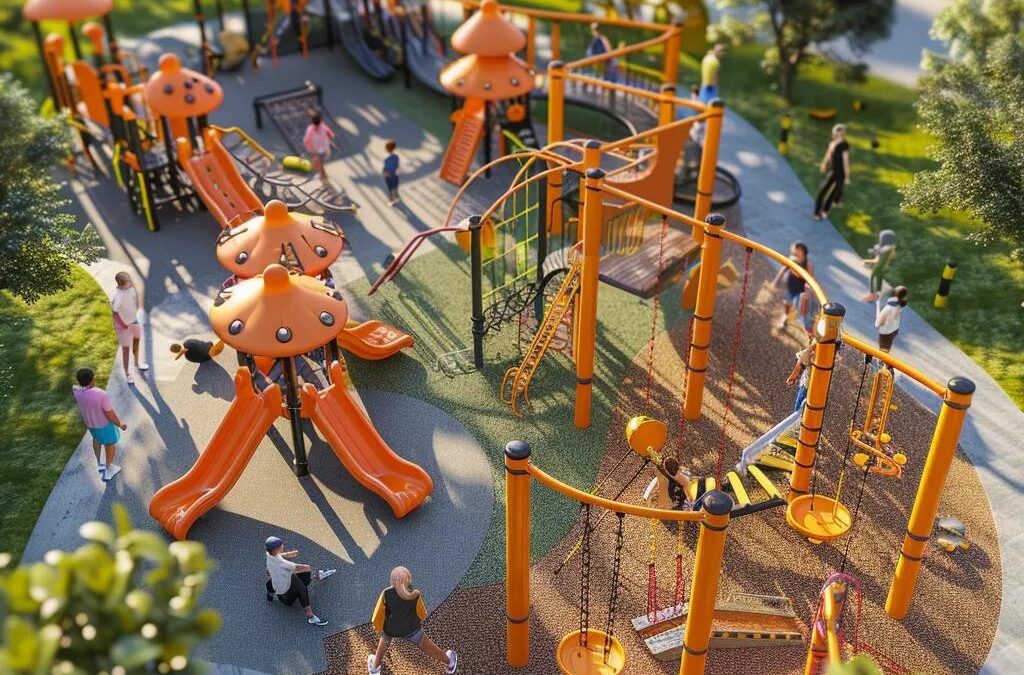
Outdoor Fitness Playgrounds: Essential Equipment, Benefits & Safety

Outdoor fitness playground equipment provides children with engaging, purposeful exercise opportunities that foster strength, coordination, and social skills while reducing sedentary behaviors. This guide reveals the essential features, benefits, and safety guidelines for designing vibrant fitness play zones, and previews how municipalities, schools, HOAs, and commercial property owners can partner with shadeandplaypros.com for expert design and installation. You’ll discover:

  • What core features create durable, motor-skill–boosting playgrounds
  • How fitness zones advance physical, mental, and social development
  • Which safety standards and maintenance practices ensure long-term usability
  • Audience-specific design considerations for parks, schools, and communities
  • Top equipment types—including calisthenics, balance, cardio, obstacle courses, and inclusive options
  • Real-world case studies demonstrating transformative community impact
  • Emerging trends in technology, sustainability, and multi-generational play

Dive into the outdoor fitness playground equipment features that set award-winning installations apart.

What Are the Essential Features of Outdoor Fitness Playground Equipment for Kids?

Outdoor fitness playground equipment encompasses a range of structures designed to support active play, build motor skills, and withstand weather and heavy use. Durable materials, age-appropriate design, and accessibility combine to form engaging fitness zones that foster lifelong healthy habits.

Which Types of Equipment Promote Physical Activity and Motor Skill Development?

Equipment geared toward calisthenics, coordination, and cardiovascular engagement transforms a simple play area into a dynamic fitness zone.

  1. Monkey Bars and Pull-Up Bars encourage upper-body strength through weight-bearing movement.
  2. Balance Beams and Wobble Boards refine proprioception by challenging equilibrium.
  3. Air Walkers and Steppers simulate endurance exercises, promoting heart health.
  4. Climbing Walls and Rope Ladders develop agility and problem-solving.

Children using these features build strength and coordination while enjoying collaborative challenges.

How Does Inclusive and ADA-Accessible Design Enhance Playground Usability?
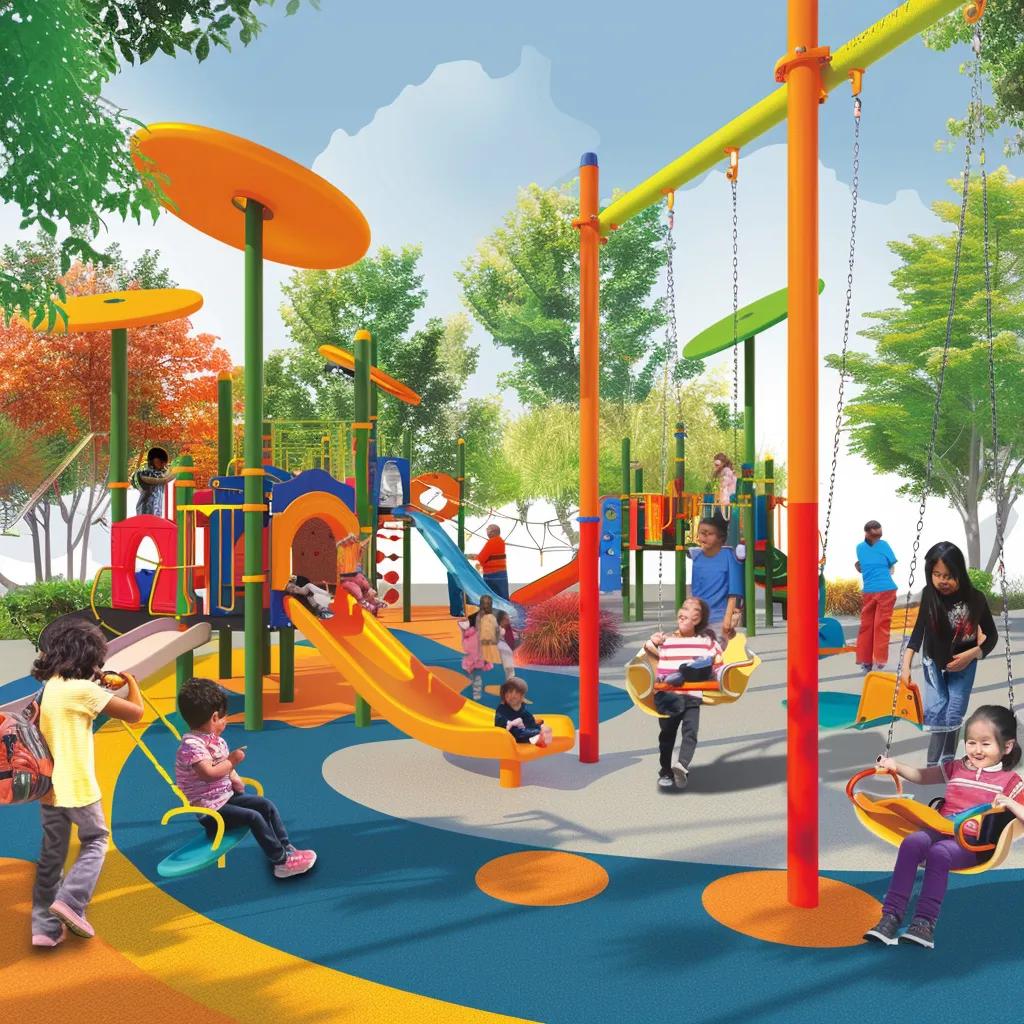
Colorful outdoor playground structure featuring slides, climbing areas, and interactive panels, designed to promote physical activity and motor skill development for children.

Inclusive fitness playgrounds integrate ADA-accessible ramps, adaptive swings, and transfer platforms that enable children of all abilities to participate. Incorporating wide pathways, sensory panels, and seated exercise stations ensures every child can engage safely. This approach promotes social inclusion and community cohesion by welcoming diverse abilities.

What Materials and Durability Standards Ensure Long-Lasting Outdoor Equipment?

Selecting galvanized steel, UV-stabilized plastics, and powder-coated finishes prevents corrosion and fading in harsh climates. Adhering to ASTM F3101 and BS EN 16630:2015 ensures materials meet rigorous structural and safety standards.

EntityAttributeValue
Frame MaterialCorrosion ResistanceHot-dipped galvanized steel
Platform and PanelsUV StabilityHigh-density polyethylene (HDPE)
FastenersLongevityStainless steel with anti-tamper caps
Surface FinishWear ResistancePolyester powder coating

Galvanized steel frames with UV-stable panels deliver low-maintenance performance and safety.

Material Durability in Outdoor Equipment

The longevity and safety of outdoor fitness equipment depend on the materials used. Galvanized steel, UV-stabilized plastics, and powder-coated finishes are essential for preventing corrosion and fading, ensuring the equipment withstands harsh climates and heavy use. These materials contribute to the long-term usability and safety of the playground.

ASTM F3101, American Society for Testing and Materials

This standard is directly relevant as it is mentioned in the article as a key safety certification.

How Do Outdoor Fitness Playgrounds Benefit Children's Physical and Mental Development?

Outdoor fitness playgrounds blend exercise science and play psychology to deliver holistic benefits—boosting cardiovascular health, reducing stress, and fostering social skills that help children thrive.

What Physical Health Improvements Result from Using Outdoor Fitness Equipment?

Regular use of outdoor fitness stations improves cardiovascular endurance, builds muscle strength, and enhances motor skills. Children develop:

  • Cardiovascular Endurance through continuous movement on steppers and air walkers
  • Muscular Strength by engaging pull-up bars and parallel bars
  • Motor Coordination via balance obstacles and climbing structures

These activities promote healthy growth and combat childhood obesity by reinforcing active habits.

How Does Outdoor Play Support Mental Well-being and Cognitive Growth?

Outdoor fitness equipment reduces stress by combining physical exertion with natural environments, which elevates mood and improves concentration. Play sequences on obstacle courses stimulate problem-solving and planning skills, enhancing executive function.

In What Ways Do Fitness Playgrounds Foster Social Interaction and Community Engagement?

Shared fitness challenges encourage collaboration, communication, and empathy. Group circuits on calisthenics stations build teamwork, while inclusive design strengthens community bonds by inviting caregivers and older siblings to participate, creating multi-generational engagement.

What Safety Standards and Maintenance Practices Are Required for Kids’ Outdoor Fitness Equipment?
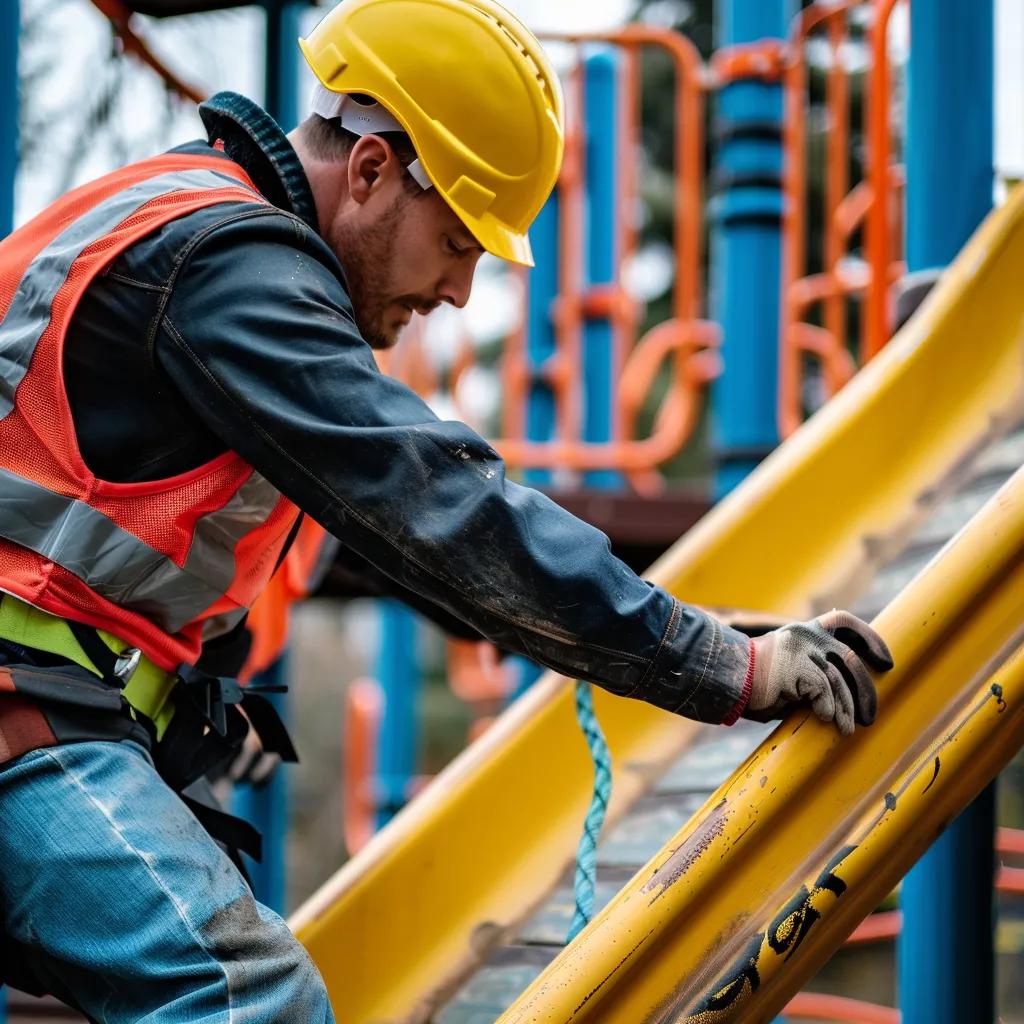
Worker in safety gear inspecting and maintaining outdoor fitness playground equipment, focusing on a yellow slide, emphasizing safety and maintenance for children's play areas.

Adhering to safety certifications and conducting ongoing maintenance preserves equipment integrity and protects users from injury.

What Are the Key Safety Certifications Like BS EN 16630:2015 and ASTM F3101?

BS EN 16630:2015 and ASTM F3101 establish performance requirements for load capacity, impact resistance, and structural stability. Certification indicates that each equipment piece meets rigorous testing protocols for safe outdoor fitness use.

Safety Standards for Playground Equipment

The safety of playground equipment is paramount, with standards like BS EN 16630:2015 and ASTM F3101 setting performance requirements for load capacity, impact resistance, and structural stability. These certifications ensure that equipment meets rigorous testing protocols for safe outdoor fitness use, protecting children from potential hazards.

BS EN 16630:2015, European Standard

This standard is directly relevant as it is mentioned in the article as a key safety certification.

How Should Risk Assessments and Regular Maintenance Be Conducted?

Routine inspections should include:

  1. Visual checks for corrosion, cracks, and loose fasteners.
  2. Functional tests of moving parts and connection points.
  3. Surface assessments for wear, trip hazards, and drain functionality.

Documenting findings and scheduling repairs through a digital maintenance log ensures compliance and extends equipment lifespan.

What Are the Proper Installation and Surfacing Requirements for Safety?

Proper installation on impact-attenuating surfaces—such as engineered wood fiber, rubber mulch, or poured-in-place rubber—reduces fall injury risk. Secure anchoring below frost line and correct equipment spacing prevent collisions and overcrowding.

How Can Outdoor Fitness Playgrounds Be Designed for Different Audiences and Settings?

Tailoring outdoor fitness playgrounds to specific users and contexts maximizes engagement and ROI for municipalities, schools, HOAs, and developers.

What Design Considerations Are Important for Municipal Parks and Public Spaces?

Municipal playgrounds require durable, low-maintenance solutions that withstand heavy daily use. Integrating shade structures and seating areas enhances year-round usability. Zoning separate zones for preschool, elementary, and teen fitness addresses diverse age groups.

How Should Schools Customize Fitness Equipment for Educational and PE Programs?

Schools benefit from curriculum-aligned installations that incorporate exercise stations matching PE lesson plans. Equipment labeled with skill-focus signage—such as “balance workout” or “upper-body challenge”—reinforces learning objectives.

What Are the Best Practices for HOAs and Residential Community Fitness Areas?

Homeowners associations should prioritize compact, multi-use equipment clusters that fit limited spaces while offering varied fitness options. Incorporating adaptive benches and stretch stations encourages residents of all ages to participate.

How Do Commercial Property Owners and Developers Plan Outdoor Fitness Zones?

Commercial developers enhance property value by installing premium-grade outdoor gyms that attract tenants and guests. Integrating digital workout kiosks and IoT-enabled trackers delivers modern fitness experiences that drive foot traffic and community wellness branding.

What Are the Top Outdoor Fitness Equipment Types for Kids and Their Specific Benefits?

Selecting the right mix of equipment ensures comprehensive fitness coverage—strength, balance, endurance, agility, and accessibility.

How Do Calisthenics Stations Like Monkey Bars and Pull-Up Bars Build Strength?

Calisthenics stations use body weight to build upper-body and core strength. Monkey bars develop grip and shoulder endurance, while pull-up bars enhance latissimus dorsi and bicep strength through progressive exercises.

What Balance and Coordination Equipment Supports Motor Skill Development?

Balance beams, wobble boards, and stepping stones refine proprioception and coordination by challenging children to control weight shifts and maintain stability.

Which Cardiovascular Equipment Encourages Endurance and Heart Health?

Air walkers, steppers, and mini-ellipticals provide low-impact cardio that promotes sustained movement, elevates heart rate, and improves lung capacity in a playful setting.

How Do Obstacle Course Elements Promote Agility and Problem-Solving?

Elements like climbing walls, rope ladders, and cargo nets challenge spatial reasoning and reaction speed. Children navigate sequences that engage cognitive mapping and physical agility simultaneously.

What Inclusive Equipment Options Ensure Accessibility for All Children?

Adaptive swings, seated bike trainers, and transfer stations create ADA-compliant fitness experiences. Incorporating sensory panels and low-rise step-up platforms ensures participation for children with limited mobility.

How Do Case Studies Demonstrate the Impact of Outdoor Fitness Playgrounds for Kids?

Real-world installations showcase measurable gains in usage, community satisfaction, and developmental outcomes.

What Successful Projects Showcase Equipment Use in Municipal Parks?

In a recent city park renovation, shadeandplaypros.com installed a multi-zone fitness playground—featuring calisthenics circuits and balance trails—that increased weekly visitation by 45% and recorded zero safety incidents in 12 months.

How Have Schools Benefited from Customized Outdoor Fitness Installations?

An elementary school integrated a skill-focus fitness trail aligned to its PE curriculum. Students completed strength and balance stations mapped to learning outcomes, resulting in a 30% rise in physical literacy assessment scores.

What Outcomes Have HOAs and Residential Communities Experienced?

A residential complex added an inclusive outdoor gym with adaptive equipment and digital trackers. Resident participation in community fitness programs boosted by 60%, and property management reported improved resident retention and satisfaction.

Staying ahead of industry trends ensures playgrounds remain engaging, sustainable, and technologically relevant.

How Is Technology Integration Enhancing Outdoor Fitness Equipment?

IoT sensors, interactive workout apps, and solar-powered digital kiosks enable real-time progress tracking and gamified challenges, bridging outdoor play with digital engagement.

Why Is Sustainability Important in Playground Equipment Design?

Using recycled plastics, reclaimed rubber surfacing, and FSC-certified wood components reduces environmental impact and appeals to eco-conscious communities focused on long-term stewardship.

What Is the Growing Role of Multi-Generational and Inclusive Play Spaces?

Designs that blend children’s fitness stations with adult calisthenics and senior-friendly stretch areas promote family-wide participation, strengthening social bonds and community health.

By integrating proven design principles, high-quality materials, and inclusive features, communities can create vibrant outdoor fitness playgrounds that enhance child development, promote wellness, and foster social engagement. Explore expert design and installation services at shadeandplaypros.com or learn more about the benefits of outdoor fitness playgrounds for children.