NC Playground Equipment Repair Costs: Hidden Fees Exposed

Playground equipment repair costs in NC often include surprising line items that catch facility managers off guard. This guide reveals typical and unexpected expenses, explores lifespan influences, highlights certified inspection value, explains safety standards, and outlines preventative maintenance savings. You’ll learn:

  • What standard component and surfacing repairs cost
  • Which hidden expenses—drainage, vandalism, specialized parts—drive up budgets
  • How equipment lifespan and materials affect repair vs. replacement decisions
  • The role and cost of CPSI inspections in North Carolina
  • Regulatory requirements (CPSC, ASTM, NC state) that impact maintenance budgets
  • Cost-saving routines to prevent surprise repairs
  • Why Shade and Play Pros delivers cost-effective, compliant repair services

By the end, you’ll understand every cost factor and see why partnering with Shade and Play Pros ensures safe, budget-friendly playgrounds across NC.

What Are the Typical Playground Equipment Repair Costs in North Carolina?

Repairing public or commercial playgrounds in North Carolina generally ranges from minor component fixes at a few hundred dollars to major structural or surfacing projects costing tens of thousands. Variations hinge on damage severity, material type, labor rates, and inspection requirements.

How Much Does It Cost to Repair Common Playground Components?

Common component repairs include replacing swing seats, tightening hardware, patching cracks, and fixing metal corrosion. Quick fixes like bolt tightening cost as little as $150, while replacing a swing beam or cracked plastic panel can reach $1,000–$2,500 depending on parts and labor.

ComponentAttributeEstimated Cost
Loose HardwareLabor per Hour$50–$75
Swing Seat ReplacementSeat & Chains$200–$450 per swing
Plastic Slide RepairPanel Replacement$500–$1,200
Metal Corrosion RemediationWelding & Coating$800–$2,000

Minor hardware adjustments often cost under $300, while component replacement expenses set the stage for surfacing repair considerations.

What Are the Price Ranges for Surfacing Repairs Like Poured-in-Place Rubber and Wood Chips?

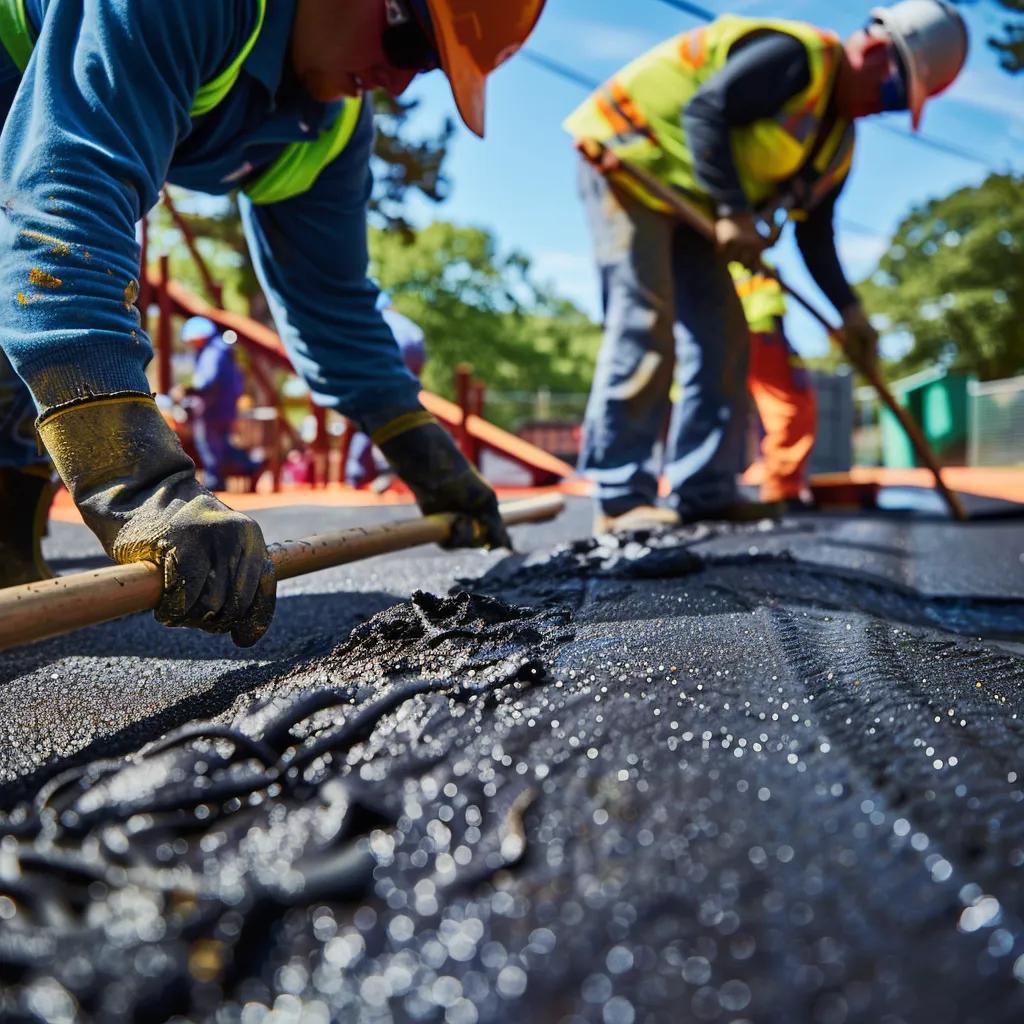
Workers applying poured-in-place rubber surfacing in a playground, focusing on safety and compliance in maintenance.

Playground surfacing repair accounts for a significant portion of maintenance budgets. Poured-in-place rubber patch repairs range from $500 to $2,500, with full installs at $10–$15 per square foot. Engineered wood fiber (EWF) replenishment typically runs $20–$35 per cubic yard.

Surfacing MaterialAttributePrice Range
Poured-in-Place RubberPatch Repair$500–$2,500 per area
Poured-in-Place RubberFull Installation$10–$15 per sq. ft.
Engineered Wood FiberReplacement Depth$20–$35 per cubic yard
Rubber MulchYard Coverage$75–$120 per cubic yard

Surface repair choices directly influence fall protection compliance and long-term durability.

How Do Labor and Materials Affect Overall Repair Expenses?

Labor and materials represent two-thirds of total repair cost. Certified technicians charge $50–$75 per hour, with premium materials (UV-resistant plastics, galvanized steel) adding 10–25% more than standard options. Remote locations may incur travel fees, further increasing budgets.

Repair strategies that balance skilled labor and quality materials deliver safety and longevity while controlling expenses.

Which Unexpected Repair Costs Should NC Playground Owners Anticipate?

Beyond visible damage, playground owners often face surprise expenses in drainage remediation, vandalism fixes, and sourcing specialty parts. Anticipating these costs prevents budget overruns and downtime.

Poor drainage can undermine surfacing and sub-base integrity, leading to erosion repairs at $2,000–$8,000 for trenching, piping, and re-surfacing. Vandalism—spray paint removal, broken glass cleanup, bent metal repair—can add $300–$1,500 per incident.

  • Drainage trench installation and grading
  • Sub-base repair under safety surfacing
  • Vandalism cleanup and component replacement

Proactive site grading and protective coatings reduce these unplanned expenses over time.

How Do Specialized Parts and Structural Repairs Impact Budgets?

Custom or discontinued parts—branded panels, molded plastic components—can cost 2–3× more than off-the-shelf equivalents. Structural repairs like weld replacement on metal frames range from $1,500 to $5,000 depending on complexity and parts lead time.

  • Custom molding or color-matched panels
  • Welding and structural reinforcement
  • Lead times that delay reopening

Planning for bespoke part procurement and structural integrity checks helps avoid emergency pricing premiums.

Why Are Safety Surfacing Repairs Often More Expensive Than Expected?

Safety surfacing must meet critical fall height (CFH) standards and material compaction requirements. Achieving compliance after erosion or compaction may require full-area replacement rather than spot patches. Full surfacing projects, including drainage, can run $20–$30 per square foot.

  • CFH testing and certification
  • Full-area repaving vs. localized patching
  • ADA accessibility surfacing ramps

Understanding surfacing standards prevents underestimating repair scope and cost.

How Does Playground Equipment Lifespan Affect Repair and Replacement Costs in NC?

Equipment age and usage patterns determine whether repairs extend safe operation or replacement becomes more cost-effective. Typical commercial playground components last 8–20 years with proper maintenance.

What Factors Influence the Lifespan of Playground Equipment in North Carolina?

Weather exposure, material quality, usage intensity, and maintenance frequency dictate service life. Coastal humidity accelerates metal corrosion, while UV exposure degrades plastics. Regular inspections and cleaning can extend lifespan by 20–30%.

  1. Material composition: wood vs. metal vs. plastic
  2. Environmental conditions: UV, moisture, temperature swings
  3. Usage volume: daily school recess vs. occasional community events

Identifying lifespan influencers informs repair vs. replacement decisions.

How Does Material Type (Wood, Metal, Plastic) Impact Durability and Repair Needs?

Wooden components often need sealant reapplication every 2–4 years and splinter repairs at $300–$800. Metal structures last 12–20 years but require corrosion treatment. Plastic modules resist rust but can crack under heavy use, costing $500–$1,500 to replace panels.

MaterialDurability SpanCommon Repairs
Wood8–12 yearsSealant, splinter patch
Metal12–20 yearsRust removal, repaint
Plastic10–15 yearsCrack repair, panel replacement

Matching material to expected use and climate conditions optimizes long-term budgets.

When Is It More Cost-Effective to Repair vs. Replace Equipment?

Minor damage under 30% of replacement cost typically justifies repair. When cumulative repair expenses exceed 40–50% of new equipment pricing—often $10,000+ for modular systems—replacement yields better ROI and safety assurance.

  • Repair when damage is localized and materials are readily available
  • Replace aging structures showing widespread wear and non-compliance risk

Evaluating repair-to-replacement thresholds ensures fiscally responsible playground management.

What Role Do Certified Playground Safety Inspections (CPSI) Play in Managing Repair Costs?

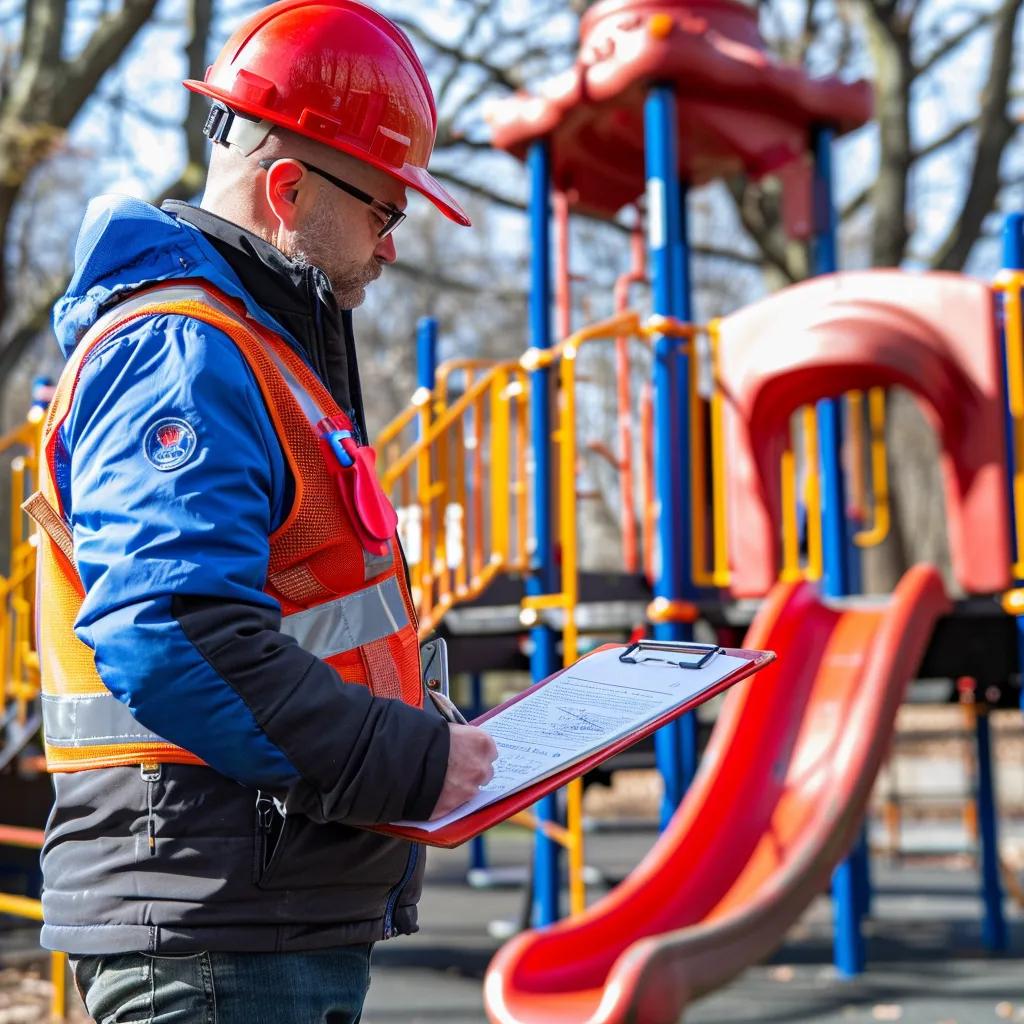
Man in hard hat and safety vest inspecting playground equipment with clipboard, featuring colorful slides and safety barriers, emphasizing playground safety and maintenance.

Certified inspections identify hazards before they escalate into costly fixes. A CPSI inspection in North Carolina combines hazard assessment, compliance checks, and recommendations, guiding targeted repairs that prevent budget surprises.

How Much Does a CPSI Inspection Cost in North Carolina?

A full CPSI inspection in NC ranges from $300 to $1,000 depending on playground size and report detail. Single-playground evaluations typically start at $250, with comprehensive reports and remediation plans at the higher end.

  • Single playground evaluation: $250–$500
  • Multi-playground or multi-site survey: $600–$1,000

Investing in regular inspections curbs unplanned repair spending.

What Hazards Do CPSI Inspections Identify That Prevent Costly Repairs?

CPSI inspectors uncover hidden dangers—protruding bolts, entrapment points, sub-base erosion, inadequate surfacing depth—that, if left unaddressed, lead to emergency closures and expensive re-construction.

  • Critical fall height violations
  • Hardware integrity failures
  • Structural fatigue and corrosion
  • Sub-base drainage issues

Early detection supports targeted repairs and extends equipment life.

How Can Regular Inspections Reduce Unexpected Repair Expenses?

Scheduling annual or biannual CPSI assessments ensures emerging issues are resolved at minimal cost—often labor-only adjustments under $300—rather than full component or surfacing replacements.

  • Immediate hazard remediation
  • Budget forecasting based on inspection reports
  • Liability reduction through documented safety compliance

Proactive inspection cycles transform surprise repairs into planned maintenance.

What Are North Carolina’s Playground Safety Standards and How Do They Affect Repair Costs?

NC playgrounds must comply with CPSC guidelines, ASTM F1487 standards, ADA accessibility rules, and state regulations like 10A NCAC 09 .0605 for childcare centers. Adherence drives repair specifications and material choices that meet legal and safety benchmarks.

Which CPSC and ASTM Standards Must NC Playgrounds Comply With?

Playgrounds in North Carolina follow the CPSC Public Playground Safety Handbook and ASTM F1487, covering surfacing depth, equipment spacing, entrapment requirements, and signage.

  • Surfacing CFH compliance (ASTM F1292)
  • Equipment design and installation (ASTM F1487)
  • Guardrails and openings (CPSC entrapment criteria)

Meeting these standards shapes repair methods and materials to retain compliance.

How Do State Regulations Influence Repair and Maintenance Requirements?

State codes, such as 10A NCAC 09 .0605 for early childhood facilities, mandate documented inspection records, surfacing depth logs, and routine maintenance plans. Non-compliant repairs risk fines and closure orders.

  • Mandatory recordkeeping for inspections and repairs
  • Specific surfacing and equipment requirements for childcare
  • Annual training for playground supervisors

Aligning repairs with state rules prevents legal liabilities and repeated work orders.

What Are the Consequences of Non-Compliance on Repair Costs and Liability?

Non-compliance can trigger forced corrective actions, fines up to $1,000 per violation, and liability exposure in injury claims. Emergency compliance repairs often cost 30–50% more due to expedited schedules and contractor premiums.

  • Civil penalties and forced work orders
  • Increased insurance premiums after incidents
  • Reputational risks for schools, HOAs, and municipalities

Understanding compliance stakes encourages investment in quality repairs and documentation.

How Can Preventative Playground Maintenance Save Money on Repairs in NC?

A structured maintenance schedule reduces wear, prevents major failures, and delivers a strong ROI—estimated at 4:1 for every dollar spent on proactive upkeep.

What Are the Essential Routine Maintenance Tasks for NC Playgrounds?

Routine tasks include weekly surface debris removal, monthly hardware tightening, quarterly surfacing depth checks, and annual equipment lubrication and repainting.

  • Surface inspection for foreign objects and wear
  • Hardware torque checks and safety labeling
  • Surfacing depth measurement and top-ups
  • Seasonal corrosion treatment and repaint

Consistent maintenance tackles minor issues before they escalate.

How Does a Maintenance Schedule Extend Equipment Lifespan and Reduce Costs?

Following a maintenance calendar extends component life by up to 30%, delays major surfacing replacements, and lowers emergency repair rates by 50–70%.

  1. Early detection of corrosion and wear
  2. Avoidance of deep sub-base erosion
  3. Sustained CFH compliance

Prolonged lifespan directly reduces annual capital expenditures.

What Is the Return on Investment (ROI) of Proactive Playground Maintenance?

Investing $1 in routine maintenance can save $4–$6 in deferred repair and replacement costs. For a typical $50,000 playground, annual maintenance of $2,500 yields $10,000–$15,000 in deferred capital spending.

Investment TypeAnnual CostDeferred SavingsROI Ratio
Routine Maintenance$2,500$10,000–$15,0004:1 – 6:1
Annual CPSI Inspection$500$2,000 – $3,0004:1 – 6:1

Quantifying ROI simplifies budget approvals and underscores maintenance value.

Why Choose Shade and Play Pros for Playground Equipment Repair and Maintenance in North Carolina?

Shade and Play Pros combines CPSI-certified expertise, local NC service, and cost-effective repair solutions to ensure safe, compliant, and budget-friendly playgrounds for municipalities, schools, HOAs, commercial properties, and developers.

What Expertise and Certifications Does Shade and Play Pros Offer?

Our team includes Certified Playground Safety Inspectors (CPSI) recognized by NRPA and professional technicians trained in CPSC and ASTM compliance, surfacing installation, and structural welding.

  • CPSI credentials for hazard recognition and compliance
  • OSHA-certified safety protocols
  • Industry partnerships for genuine replacement parts

This depth of expertise guarantees repairs that meet or exceed regulatory standards.

How Does Shade and Play Pros Provide Cost-Effective Repair Solutions?

By combining preventive maintenance plans, bulk service discounts, on-site assessments, and transparent pricing, Shade and Play Pros minimizes surprise expenses and delivers predictable budgets.

  • Tiered maintenance packages with scalable pricing
  • Detailed cost breakdowns before work begins
  • In-house fabrication of common parts to cut lead times

These strategies keep annual playground budgets stable and controlled.

Which NC Customer Groups Benefit Most from Shade and Play Pros’ Services?

Our services cater to:

  • Municipal Parks & Recreation seeking reliable multi-site maintenance
  • Schools & Daycares requiring state-mandated compliance and safety documentation
  • HOAs & Commercial Properties wanting turnkey repair and warranty support
  • Developers & Property Managers needing installation follow-up and long-term upkeep

Every client receives a tailored plan that balances safety, compliance, and cost efficiency.

Ready to eliminate unexpected playground repair expenses? Request a consultation with Shade and Play Pros today! We’ll assess your site, provide a transparent estimate, and implement a maintenance plan that keeps NC kids safe and budgets predictable.